Comprehensive Guide to Siding Repair in Kansas City Using Rainscreen Siding and Viking Clip System

Siding repair is a critical aspect of home maintenance, particularly in Kansas City, where extreme temperature shifts and heavy precipitation can take a toll on building exteriors. This guide explores how transitioning to rainscreen siding and the Viking Clip system provides a more durable, high-performance solution than traditional repair methods. By addressing common challenges like moisture infiltration and thermal efficiency, these advanced technologies protect your home from the inside out. We will cover essential installation techniques, material selection, and maintenance tips to help you maximize the lifespan and curb appeal of your property.

Introduction to Rainscreen Siding

Rainscreen siding is a modern exterior cladding system that creates a deliberate gap between the siding and the building's water-resistive barrier, facilitating superior moisture management. This design is particularly effective in Kansas City’s climate, where high humidity and frequent precipitation can quickly degrade traditional siding.
 
The Viking Clip system enhances this technology by providing a secure, efficient installation that eliminates visible fasteners and ensures the system remains structurally sound. For Kansas City homeowners, transitioning to these systems is a vital step in protecting their investment and increasing long-term property value.

Rainscreen Cladding Performance & Moisture Management

This paper presents a state-of-the-art review of rainscreen cladding performance in residential building walls, with a focus on their moisture management capabilities, integration with windows, and use of exterior insulation to enhance building durability and energy efficiency. Rainscreens effectively control moisture and protect buildings from the weather, but challenges exist, particularly in integrating windows without disrupting the wall system's thermal and moisture performance, cost of rainscreen walls, and maintenance need.


A Review of the State-of-the-Art of Rainscreen Cladding Performance in Residential Building Walls, H Palani, 2025

Installation Techniques

Installing rainscreen siding involves several critical steps to ensure optimal performance, particularly in Kansas City's variable climate.
Acclimation of Siding Boards: Before installation, it is essential to acclimate the siding boards to the local humidity levels. This prevents warping, shrinking, or buckling after the siding is mounted.
Surface Preparation: Proper preparation is vital. This includes installing a high-quality water-resistive barrier (WRB) and ensuring the substrate is level to protect the home’s structural integrity.
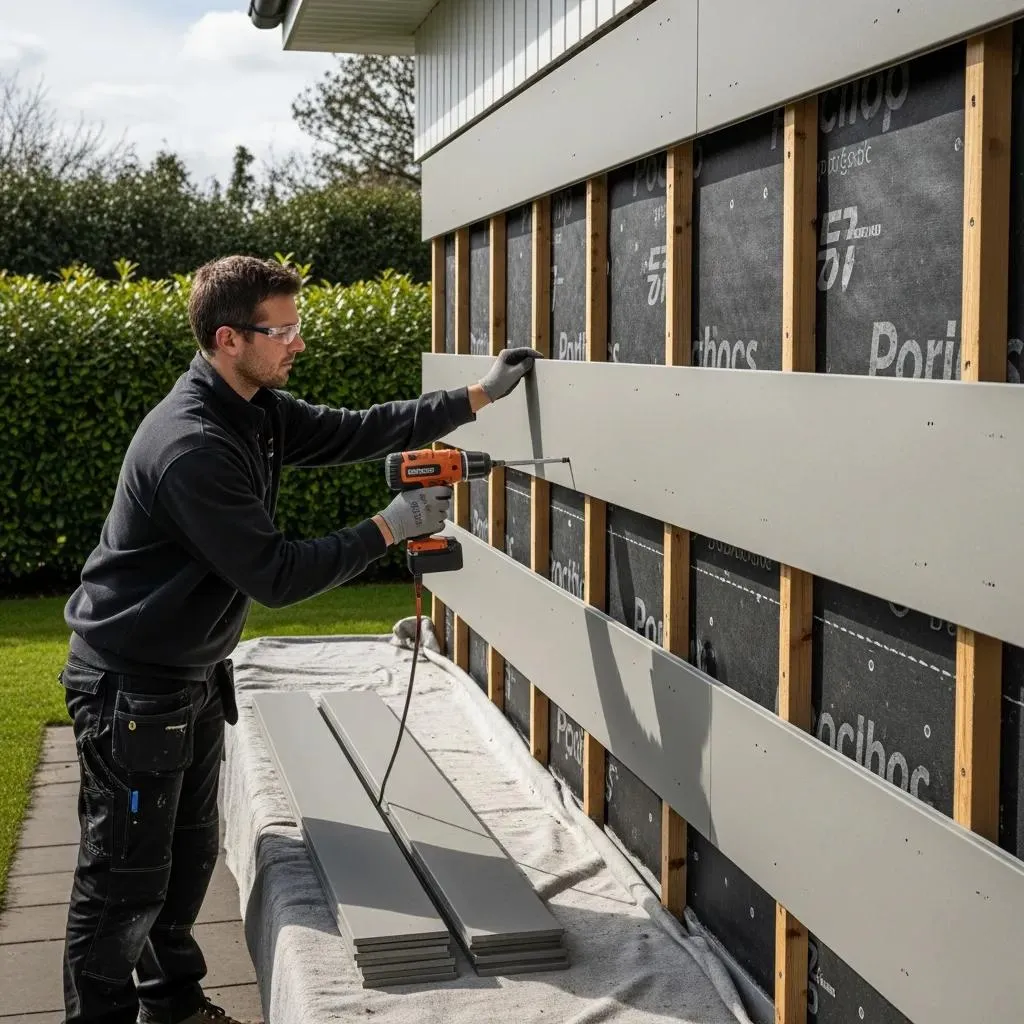
Building the Rainscreen Assembly: This step involves creating the specialized air gap behind the siding. This ventilated cavity allows moisture to escape via gravity and evaporation, effectively preventing rot and mold growth.

Materials

The choice of materials is vital for ensuring the longevity of your siding repair, especially when balancing Kansas City’s aesthetic traditions with high-performance requirements.
Siding Material Options
 
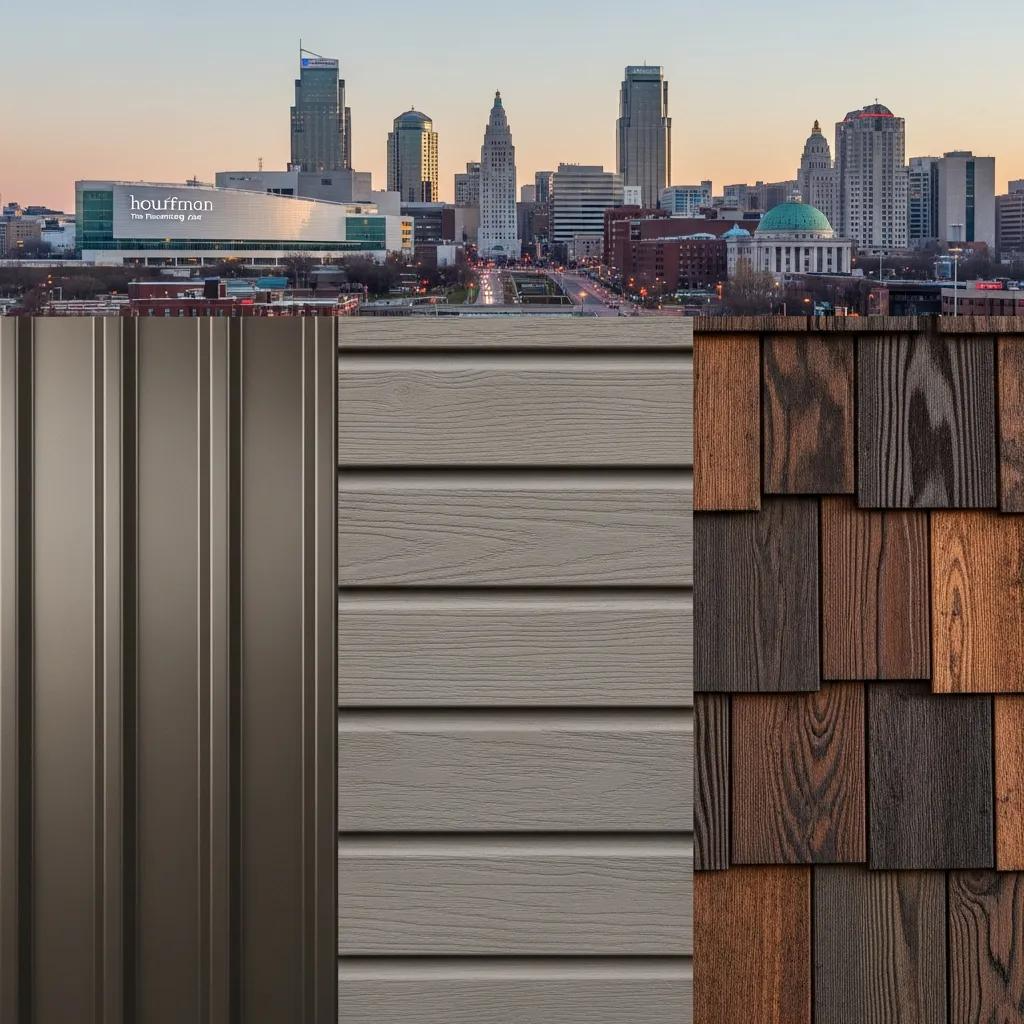
Popular choices include natural wood, modern metal, and high-durability composites. Each material offers a different visual profile and varying levels of resistance to the regional climate.
Viking Clip System Compatibility
 
This system is engineered to work seamlessly with multiple material types. Its hidden fastening design provides a secure attachment while allowing the boards to expand and contract naturally with local temperature swings.
Balancing Durability and Design
 
Selecting premium materials ensures your home’s exterior remains resilient against the elements while significantly elevating its curb appeal.
Choosing the right combination of material and fastening technology is essential for a successful, long-lasting siding repair project.

Maintenance Tips

Maintaining rainscreen siding is crucial for its longevity and performance. Here are some essential maintenance recommendations:

Periodic Inspections

Conduct periodic inspections to identify any signs of damage or wear, particularly after severe weather events.

Cleaning Procedures

Regular cleaning helps prevent the buildup of dirt and mold, which can compromise the siding's integrity.

Sealing Recommendations

Applying sealants as needed can protect the siding from moisture infiltration and extend its lifespan.
 
By following these maintenance tips, homeowners can ensure their rainscreen siding remains in excellent condition for years to come.

Benefits of Rainscreen Siding and the Viking Clip System

Rainscreen technology and the Viking Clip system offer high-performance advantages tailored to the demands of Kansas City homes.
  • Superior Moisture Management: The ventilated air gap facilitates constant drainage and evaporation, drastically reducing the risk of rot, mold, and long-term water damage.
  • Enhanced Energy Efficiency: By minimizing thermal bridging and improving the home’s thermal envelope, this system helps stabilize indoor temperatures and reduce seasonal heating and cooling costs.
  • Premium Aesthetic Appeal: The hidden fastening of the Viking Clip system provides a clean, modern look without visible nail heads, significantly boosting your home’s curb appeal.

What Are the Key Benefits of Rainscreen Siding for Kansas City Homes?

For those seeking advanced exterior solutions, Rain Screen Siding provides these innovative technologies, ensuring your home remains both beautiful and structurally protected.
Enhanced Moisture Control
 
Kansas City’s humidity can trap moisture behind traditional siding. The rainscreen’s ventilated design ensures constant drainage and evaporation, protecting the wall assembly from rot and water damage.
Improved Energy Efficiency
 
By creating an air buffer and reducing thermal bridging the transfer of heat through solid wall components rainscreen siding helps maintain consistent indoor temperatures and lowers seasonal utility bills.
Increased Property Value
 
Homes equipped with modern, high-performance siding solutions often command a higher market value due to their superior durability and contemporary, fastener-free aesthetic.
 

How Does Rainscreen Siding Improve Moisture Management and Durability?

Rainscreen siding functions as a dual-layered defense system. By creating a physical separation between the exterior cladding and the building's structural wall, it allows bulk water to drain away freely via gravity. This design eliminates the hydrostatic pressure that often forces water into traditional wall assemblies, significantly reducing the risk of rot and mold.
Beyond simple drainage, the air gap facilitates continuous convective airflow. This ventilation dries out any residual moisture or condensation that migrates behind the siding, ensuring the building envelope remains dry. By keeping the structural components shielded and ventilated, the rainscreen system drastically extends the service life and durability of both the siding and the home’s interior framing.

Why Is Energy Efficiency Enhanced by Rainscreen Siding in Local Climates?

In Kansas City's variable climate characterized by humid summers and freezing winters rainscreen siding enhances energy efficiency by acting as a thermal buffer. Unlike traditional siding, which can transfer outdoor temperatures directly to the wall, the rainscreen’s air gap breaks the path of thermal bridging.
 
This design helps stabilize interior temperatures by reducing heat gain during the summer and heat loss during the winter. By improving the performance of the home’s thermal envelope, rainscreen systems reduce the load on HVAC systems, leading to lower utility costs and a more consistent, comfortable living environment year-round.

How Does the Viking Clip System Facilitate Efficient Exterior Siding Repair?

The Viking Clip system streamlines both the initial installation and future repairs by utilizing a specialized "clip-and-lock" mechanism. Unlike traditional face-nailing, which requires prying or damaging boards during maintenance, this system allows for the precise attachment and when necessary easier detachment of individual siding panels.
This efficiency ensures that repairs are completed rapidly without compromising the structural integrity of the surrounding siding.
 
Additionally, the system is engineered to accommodate the natural expansion and contraction caused by Kansas City's temperature swings. By allowing the boards to move freely within the clips, the system prevents the splitting, buckling, and fastener "popping" common in conventional installations, significantly reducing the frequency of long-term repairs.

What Are the Technical Specifications and Installation Steps of the Viking Clip System?

The Viking Clip system is designed for compatibility with various siding materials, featuring a robust design that supports secure attachment. Installation involves:
 
  1. Preparing the Surface: Ensure the wall surface is clean and dry.
  2. Attaching the Clips: Secure the clips to the wall at specified intervals.
  3. Installing the Siding Panels: Slide the siding panels into the clips, ensuring a snug fit.
 
These steps ensure a reliable and durable installation that enhances the performance of the siding.

Recommended Siding Materials for Kansas City

For siding repair projects in Kansas City, the following materials are recommended for their durability and performance:
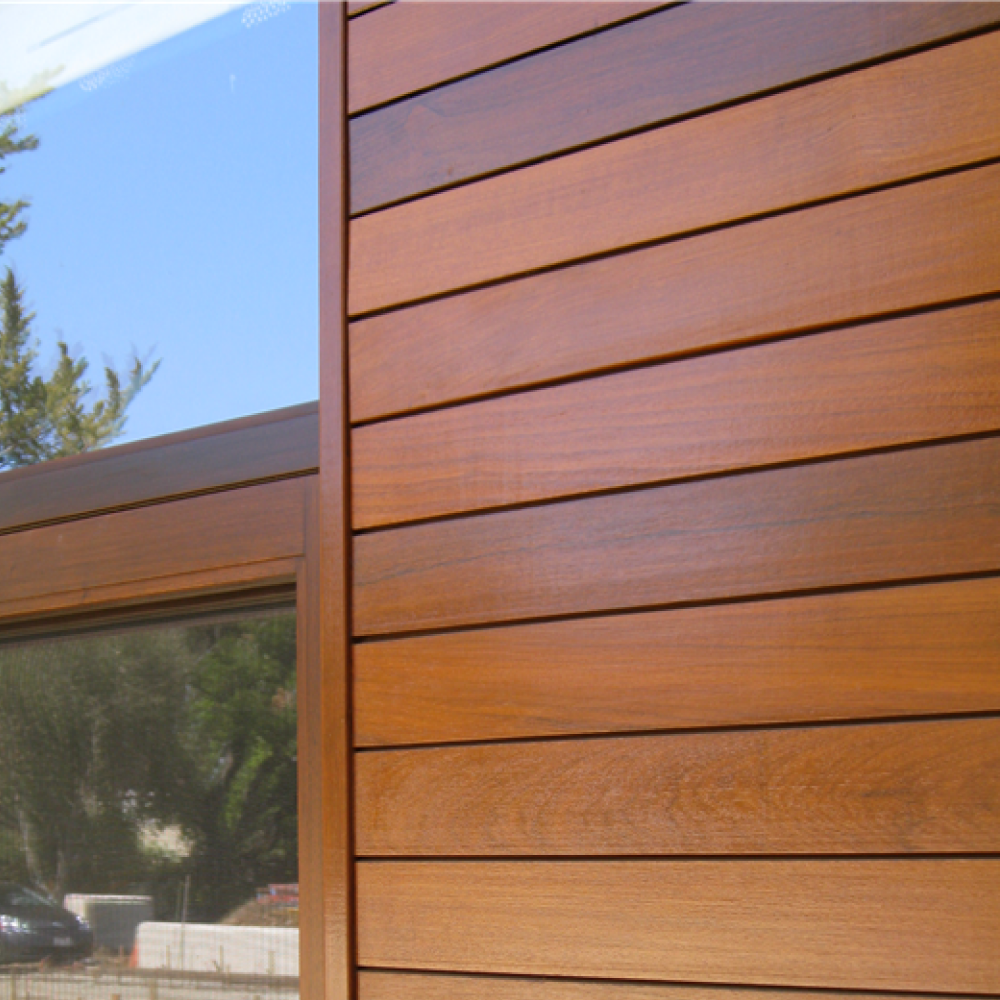
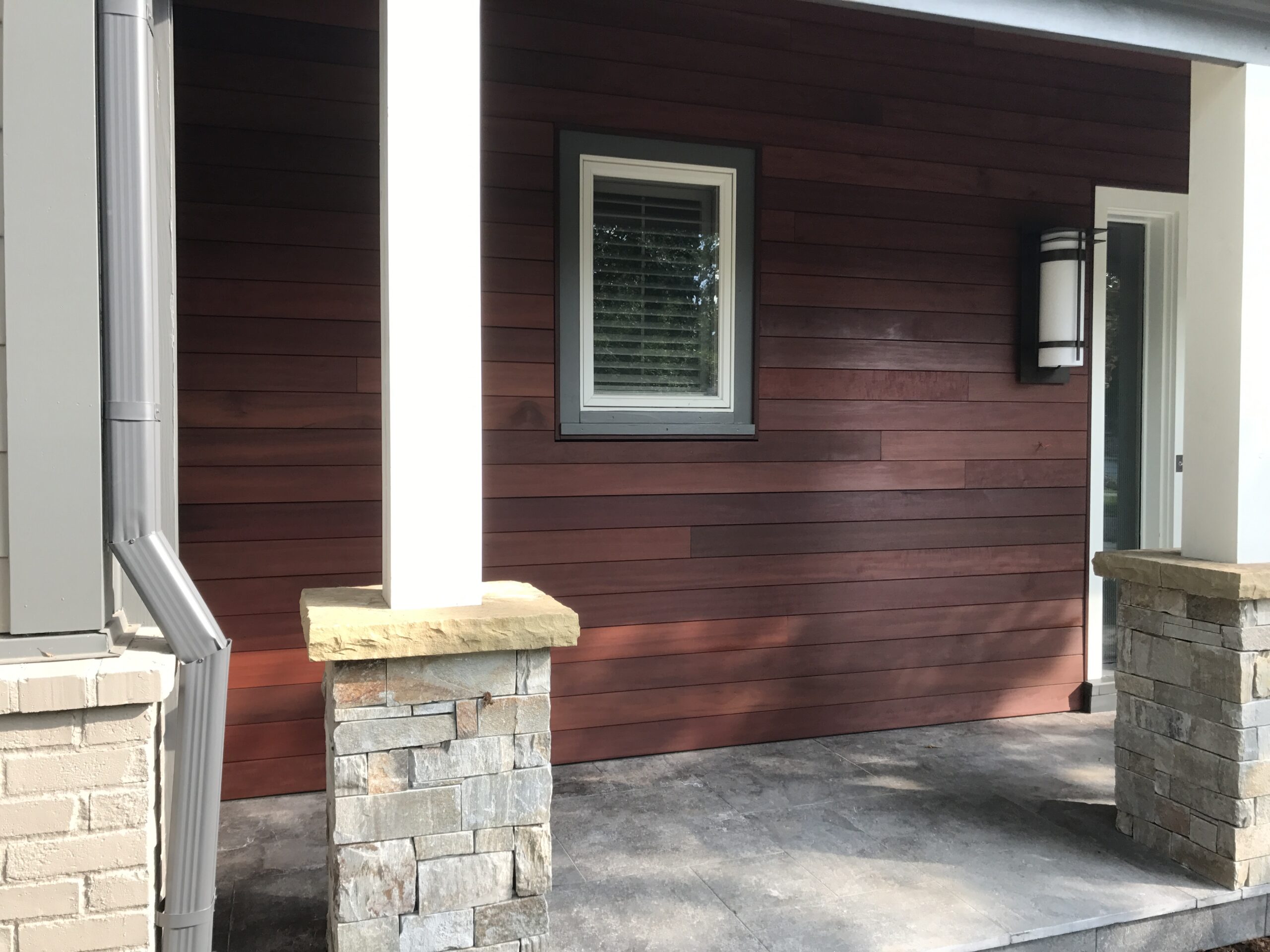
  1. Wood Siding: Offers a classic look but requires regular maintenance to prevent rot.
  2. Metal Siding: Highly durable and resistant to weather damage, making it an excellent choice for harsh climates.
  3. Composite Siding: Combines the aesthetic appeal of wood with the durability of synthetic materials, providing a low-maintenance option.

How Do Material Properties Affect Weather Resistance and Maintenance Needs?

The inherent properties of siding materials dictate how well a home stands up to the elements and how much upkeep it requires.
Composite Siding
Engineered for high performance, composites mimic the look of wood but are designed to resist moisture absorption and fungal decay, offering a balance of aesthetics and low maintenance.
Metal Siding
Naturally hydrophobic and fire-resistant, metal is highly impervious to moisture, pests, and rot. It requires minimal maintenance, typically limited to occasional cleaning.
Wood Siding
While offering unmatched natural beauty, wood is porous and susceptible to moisture damage. It requires consistent sealing or staining to prevent rot and UV degradation.
Strategic rainscreen construction is especially critical for wood siding. By providing a dedicated drainage plane and constant airflow, the system prevents fiber saturation and significantly extends the life of the exterior finish.
Rain Screen Construction for Improved Siding Performance
 
Moisture control is a critical means of improving the performance of solid-color stain and paint on wood siding. In this article, recommendations are given for constructing a rain screen, sealing the end grain, and back-priming siding to achieve this goal. Rain screen con­struction and back priming inhibit water absorption and bleed from run-down extractives if water gets behind the siding. Inhibiting water absorption improves dimensional stability of siding, thus improving finish performance.
 
Improving the performance of painted wood siding: rain screen, end-grain seal, and back priming, 2009


Which Siding Types Are Best Suited for Kansas City's Environmental Conditions?

In Kansas City's variable climate, selecting materials with high moisture resistance and thermal stability is essential. The following types are best suited for the region:
  • Metal Siding: Ideal for its extreme durability, metal resists the heavy rain and hail common in the Midwest. It is non-porous, meaning it won’t absorb humidity or swell during Kansas City's muggy summers.
  • Composite Siding: Engineered to withstand rapid temperature fluctuations, composites offer the aesthetic of wood without the risk of rot or insect damage. Their low expansion/contraction rate makes them a perfect match for the Viking Clip system.
  • Fiber Cement: Known for its fire resistance and structural rigidity, this material performs well in both freezing winters and high-heat summers when installed with a proper rainscreen air gap.
While natural wood remains a popular choice for its classic look, Kansas City homeowners often find that metal and composite options provide a more cost-effective, low-maintenance solution that protects the building's structural integrity for the long term.

What Is the Step-by-Step Process for Exterior Siding Repair Using Rainscreen Technology?

The process for repairing exterior siding using rainscreen technology involves several key steps:
  1. Assessment: Evaluate the condition of the existing siding and identify areas needing repair.
  2. Removal: Carefully remove damaged siding panels without compromising the underlying structure.
  3. Installation of New Panels: Follow the installation techniques outlined earlier to ensure proper moisture management and durability.
This systematic approach ensures that repairs are effective and long-lasting.

What Are the Critical Installation Guidelines to Ensure Proper Moisture Control?

To ensure the rainscreen system performs optimally in Kansas City's demanding climate, adhere to these fundamental installation standards:
  1. Install a High-Performance Water-Resistive Barrier (WRB): This serves as the final line of defense, preventing any moisture that migrates past the siding from penetrating the building envelope and reaching the structural framing.
  2. Maintain a Consistent Ventilated Cavity: Utilize the Viking Clip system to create a uniform air gap between the siding and the WRB. This space is vital for facilitating gravity-driven drainage and convective drying.
  3. Flash and Seal Penetrations: Apply high-quality, durable sealants and flashing around windows, doors, and utility penetrations. This prevents localized leaks that could bypass the rainscreen’s drainage plane.
  4. Clear Intake and Exhaust: Ensure that the air gap remains unobstructed at both the bottom (intake) and top (exhaust) of the wall. This allows for the continuous vertical airflow necessary to evaporate residual moisture.

How Can Homeowners and Contractors Maintain Rainscreen Siding for Longevity?

Consistent maintenance is the most effective way for homeowners and contractors to protect the structural integrity of a rainscreen system.
  1. Bi-Annual Inspections: Conduct thorough checks in the spring and fall. Look specifically for shifting boards, loose Viking Clips, or any blockages at the base and top of the wall that could obstruct airflow.
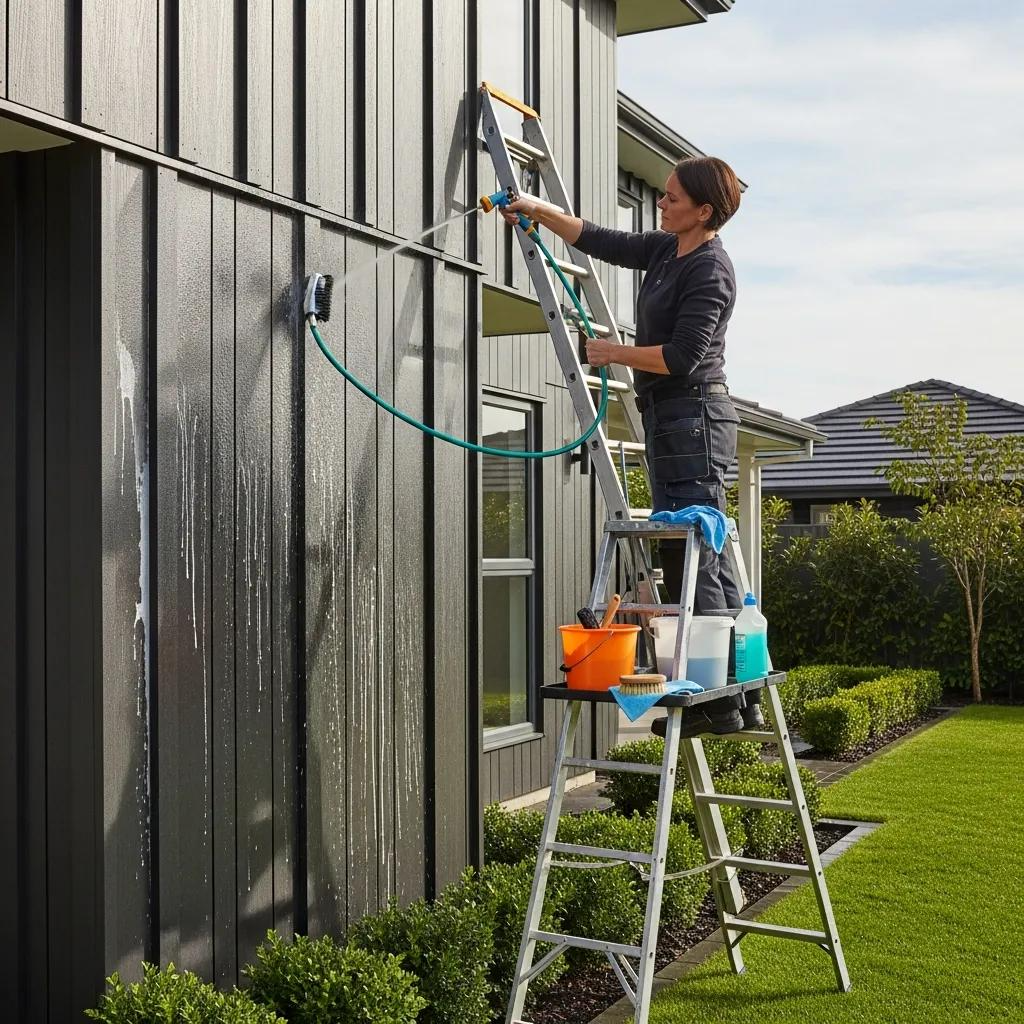
  2. Gentle Cleaning: Use a soft-bristled brush and a mild, pH-neutral cleaning solution to remove organic debris and dirt. Avoid high-pressure power washing, which can force excess water into the ventilation cavity and overwhelm the drainage plane.
  3. Prompt Structural Repairs: Address cracked boards or compromised flashing immediately. In a rainscreen system, a small localized failure can disrupt the pressure equalization of the entire wall section if left unmanaged.
By following these proactive steps, you ensure the rainscreen continues to breathe and drain effectively, significantly extending the lifespan of your Kansas City home's exterior.