Frequently Asked Questions
What are the best materials for commercial siding?
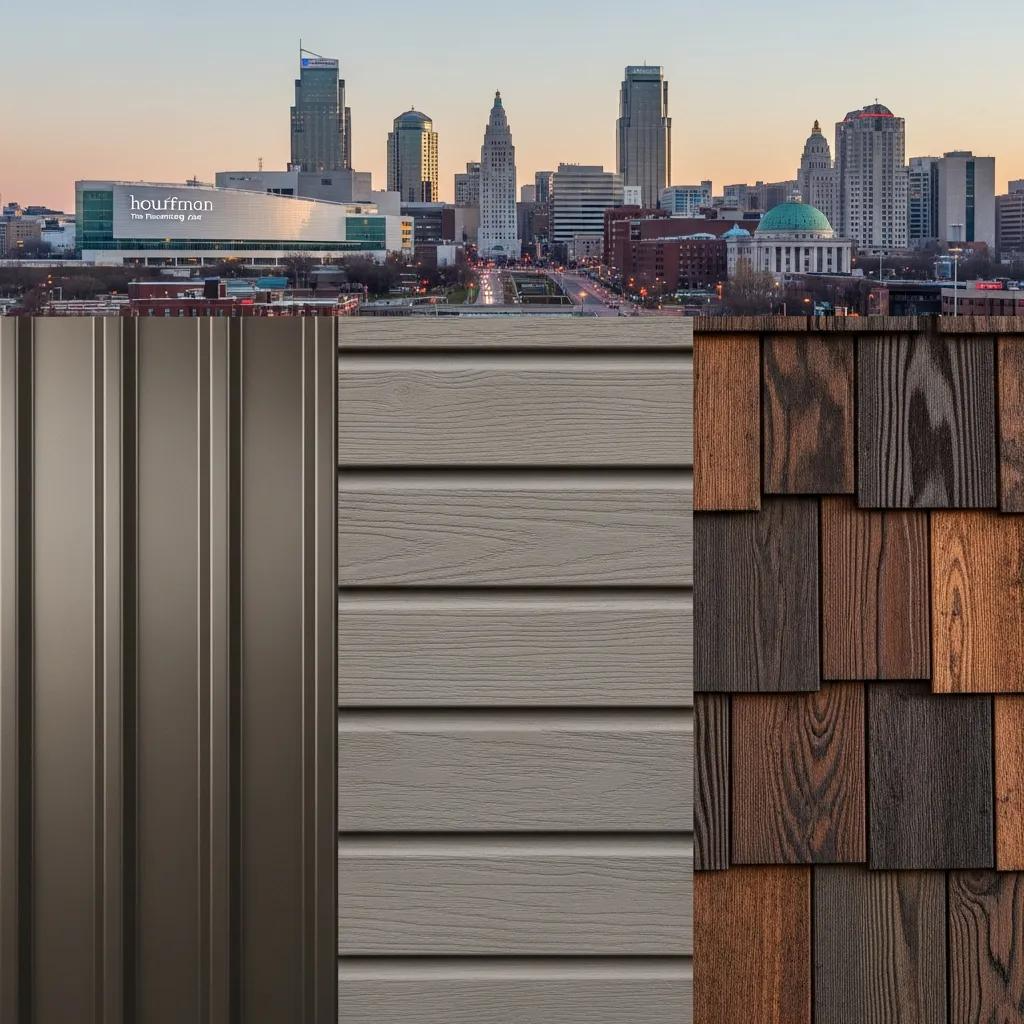
The best materials for commercial siding include fiber cement, vinyl, metal, and wood. These options are durable, energy-efficient, and suitable for Kansas City's climate, ensuring compliance with local building regulations while providing long-lasting protection for your commercial property.
How do I choose a contractor for siding installation?
Choosing a contractor for siding installation involves evaluating their experience, checking references, and ensuring they are licensed and insured. Look for reviews and request quotes to compare pricing and services, focusing on those familiar with local building codes.
What should I consider when replacing commercial siding?
When replacing commercial siding, consider the material's durability, energy efficiency, local climate compatibility, and compliance with building regulations. Additionally, evaluate contractor experience and warranty options to ensure a successful installation.
What are durable siding materials for Kansas City?
Durable siding materials for Kansas City include fiber cement, vinyl, and engineered wood. These options withstand local weather conditions, provide energy efficiency, and comply with building regulations, ensuring long-lasting protection for commercial properties.
How does climate affect siding material choices?
Climate significantly influences siding material choices. In Kansas City, materials must withstand temperature fluctuations, humidity, and precipitation, making options like fiber cement and vinyl popular for their durability and energy efficiency in local weather conditions.
What energy-efficient siding options are available?
Energy-efficient siding options available include insulated vinyl, fiber cement, and wood composite materials. These options enhance thermal performance, reduce energy costs, and are well-suited for Kansas City's climate, ensuring long-lasting durability and compliance with local building codes.
How to assess siding installation quality?
Assessing siding installation quality involves checking for proper alignment, secure fastening, and appropriate sealing against moisture. Additionally, ensure that the materials used meet local building codes and are suitable for Kansas City's climate.
What local regulations impact siding installation?
Local regulations impacting siding installation include building codes, zoning laws, and energy efficiency standards specific to Kansas City. These regulations ensure that siding materials and installation methods comply with safety, durability, and environmental requirements.
How can I ensure proper siding installation?
Ensuring proper siding installation involves selecting a qualified contractor, using high-quality materials, and adhering to local building codes. Additionally, regular inspections during the installation process can help identify and address any issues promptly.
What common mistakes to avoid in siding replacement?
Common mistakes to avoid in siding replacement include neglecting proper material selection, failing to follow local building codes, and overlooking the importance of hiring experienced contractors. These errors can lead to poor insulation, increased costs, and potential damage.
What warranties are available for commercial siding?
The warranties available for commercial siding typically include manufacturer warranties, which cover defects in materials, and installation warranties, which guarantee the workmanship. These warranties can vary in duration and coverage, so it's essential to review them carefully.
How to maintain commercial siding longevity?
Maintaining the longevity of commercial siding involves regular inspections, cleaning, and timely repairs. Ensure proper sealing and caulking to prevent moisture infiltration and choose materials suited for Kansas City's climate to enhance durability and energy efficiency.
What is the average cost of commercial siding?
The average cost of commercial siding varies based on materials and installation specifics. Typically, businesses can expect to pay between $3 to $10 per square foot, depending on factors like material choice and project complexity.
How to evaluate contractor credentials for siding?
Evaluating contractor credentials for siding involves checking their licensing, insurance, and experience in the field. Additionally, review customer testimonials and past project portfolios to ensure they meet local building codes and quality standards.
What questions to ask siding contractors?
When considering siding contractors, it's essential to ask about their experience with commercial projects, the materials they recommend, their licensing and insurance status, warranties offered, and their timeline for completion.
When is the best time for siding installation?
The best time for siding installation is typically during the spring and fall months. These seasons offer mild temperatures and lower humidity, ensuring optimal conditions for proper installation and curing of materials.
How to prepare a building for new siding?
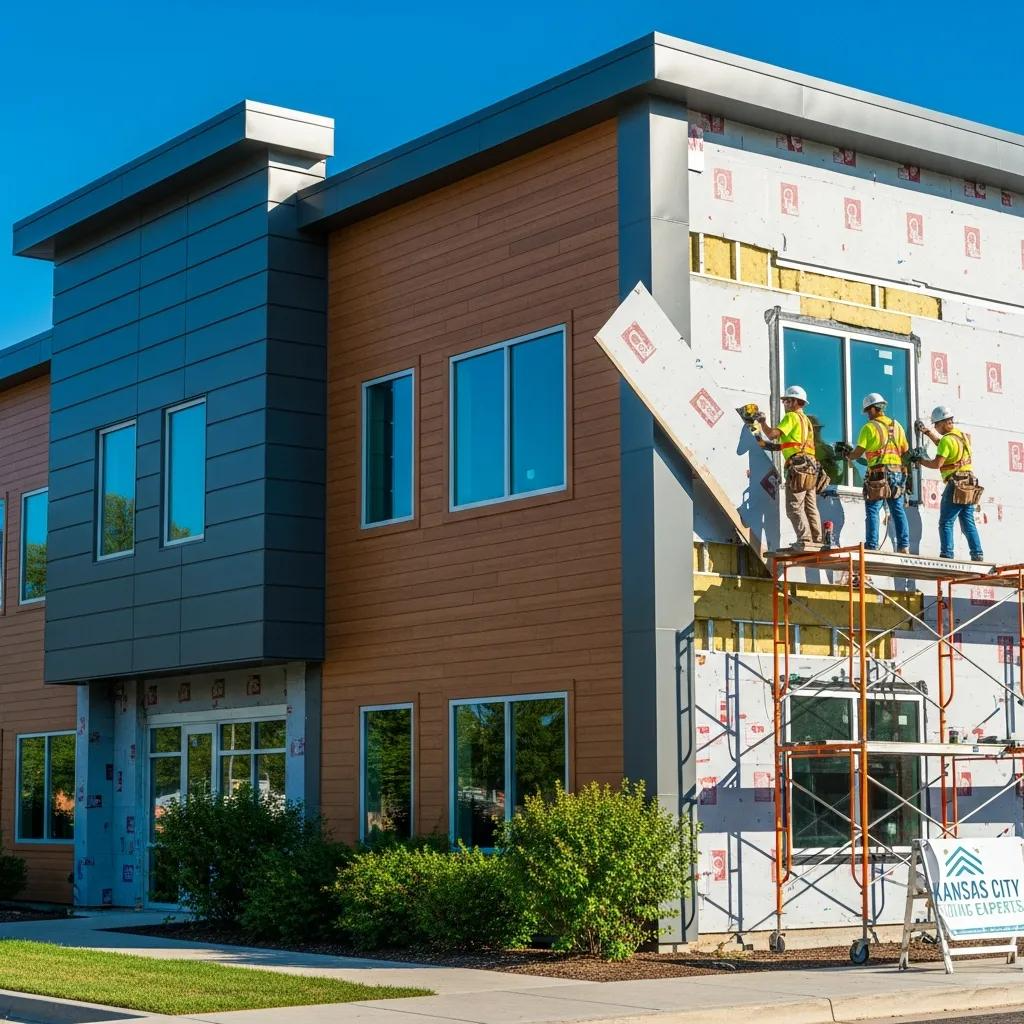
Preparing a building for new siding involves ensuring the surface is clean, removing old siding, repairing any damage, and checking for proper insulation and moisture barriers. This step is crucial for achieving optimal durability and energy efficiency.
What are the signs of siding damage?
The signs of siding damage include visible cracks, warping, peeling paint, mold growth, and gaps between the siding and the building. Additionally, if you notice increased energy bills or water leaks indoors, these may also indicate siding issues.
How to choose colors for commercial siding?
Choosing colors for commercial siding involves considering the building's purpose, surrounding environment, and local regulations. Opt for shades that enhance the architectural style while ensuring durability and energy efficiency in Kansas City's climate.
What styles of siding are most popular?
The most popular styles of siding include vinyl, wood, fiber cement, and metal. Each option offers unique benefits in terms of durability, aesthetics, and energy efficiency, making them suitable for various commercial projects in Kansas City.
How do different materials compare in insulation?
Different materials vary significantly in their insulation properties. For instance, foam board and fiberglass offer excellent thermal resistance, while wood and vinyl provide moderate insulation. Choosing the right material is crucial for energy efficiency in commercial siding installations.
What are the benefits of vinyl siding?
The benefits of vinyl siding are numerous, including its durability, low maintenance requirements, energy efficiency, and resistance to moisture and pests, making it an ideal choice for commercial buildings in Kansas City.
How to handle siding installation delays?
Handling siding installation delays involves clear communication with your contractor, adjusting timelines as necessary, and exploring alternative materials if needed. Staying informed and flexible will help you navigate the situation effectively.
What is the lifespan of different siding materials?
The lifespan of different siding materials varies significantly. Vinyl siding typically lasts 20-40 years, wood siding can endure 20-30 years with proper maintenance, while metal siding may last 40-70 years, depending on the quality and treatment.
What type of siding is best for moisture resistance?
The best siding for moisture resistance includes materials like fiber cement, vinyl, and treated wood. These options effectively repel water, reducing the risk of mold and rot, making them ideal for the humid conditions often found in Kansas City.
How to find reviews for siding contractors?
Finding reviews for siding contractors involves checking online platforms like Google, Yelp, and Angie’s List, as well as seeking recommendations from local building supply stores and community forums to ensure you choose a reputable professional.
What finishing options are available for siding?
The finishing options available for siding include paint, stain, and sealants, each offering different aesthetics and protection levels. These finishes enhance durability and energy efficiency, tailored to withstand Kansas City's climate.
How to plan a siding project timeline?
Planning a siding project timeline involves assessing your project's scope, selecting materials, scheduling contractor availability, and accounting for weather conditions. Establish clear milestones and allow for potential delays to ensure a smooth installation process.
What are the benefits of engineered wood siding?
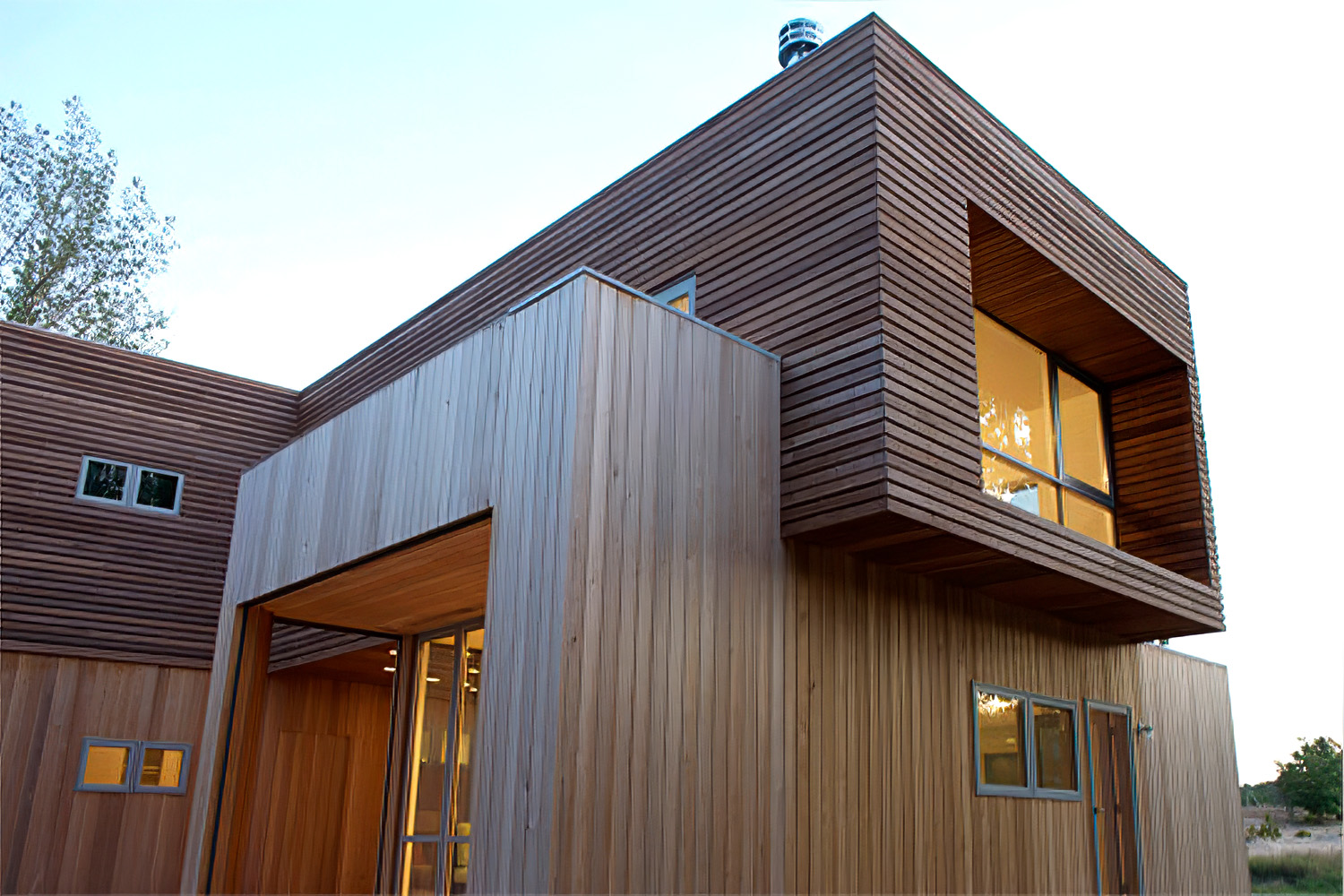
The benefits of engineered wood siding include its durability, resistance to moisture and pests, and energy efficiency. It offers a cost-effective solution that mimics the appearance of natural wood while requiring less maintenance, making it ideal for commercial applications in Kansas City.
How to upgrade siding while staying within budget?
Upgrading siding while staying within budget involves selecting cost-effective materials, prioritizing essential repairs, and obtaining multiple quotes from contractors. Consider options like vinyl or fiber cement, which offer durability and energy efficiency at a lower cost.