residential rainscreen systems, rain screen siding, rainscreen siding details, rain screen for siding, rainscreen exterior siding
Understanding the Core Principles of Rainscreen Siding
Rainscreen siding systems are engineered to create a ventilated and drained facade, fundamentally separating the cladding from the structural wall. This design allows for the free passage of air and water, preventing moisture accumulation and promoting drying. The primary goal is to protect the building's structure from water damage, rot, and mold, thereby extending its lifespan and improving interior comfort.
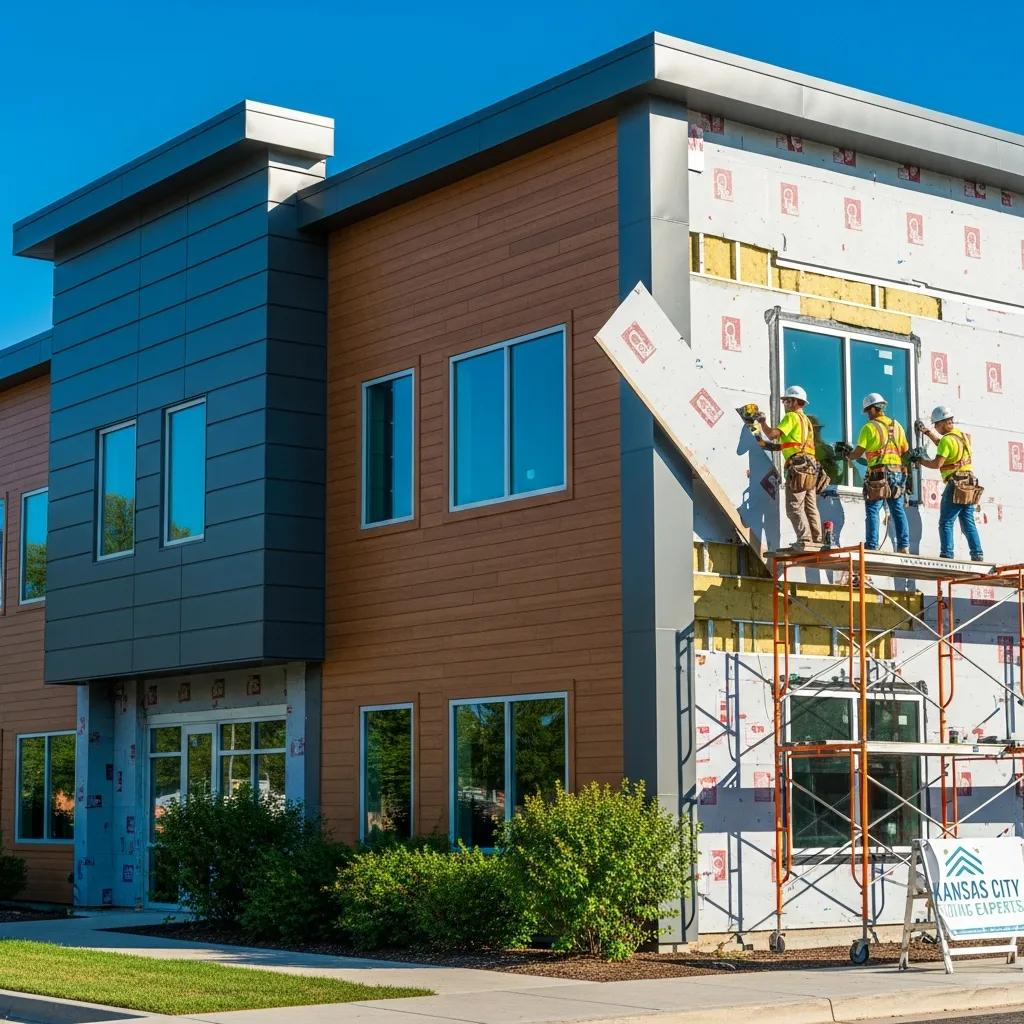
The effectiveness of a rainscreen lies in its key components: a drainage plane (like house wrap), an air gap (created by furring strips or specialized clips), and the exterior cladding itself. This layered approach ensures that any water that penetrates the cladding can drain away, and any trapped moisture can evaporate through the ventilated air space.
Benefits of Rainscreen Siding for Residential Properties
The advantages of installing rainscreen siding on residential properties are multifaceted, extending beyond mere aesthetics to encompass significant improvements in building performance and longevity. These systems are crucial for managing moisture, a persistent threat to the structural integrity of homes, especially in climates with significant rainfall or humidity.
Key benefits include enhanced moisture control, which prevents the buildup of water within wall cavities, thus mitigating the risk of mold, rot, and pest infestations. Furthermore, the ventilated air gap contributes to improved thermal performance by reducing heat transfer and allowing the wall assembly to dry out, which can lead to lower energy bills and a more comfortable living environment.
Types of Cladding Materials Compatible with Rainscreen Systems
The versatility of rainscreen systems allows for the integration of a wide array of cladding materials, offering homeowners flexibility in achieving their desired aesthetic while benefiting from advanced moisture management. The choice of material often depends on factors such as budget, desired appearance, maintenance preferences, and local climate conditions.
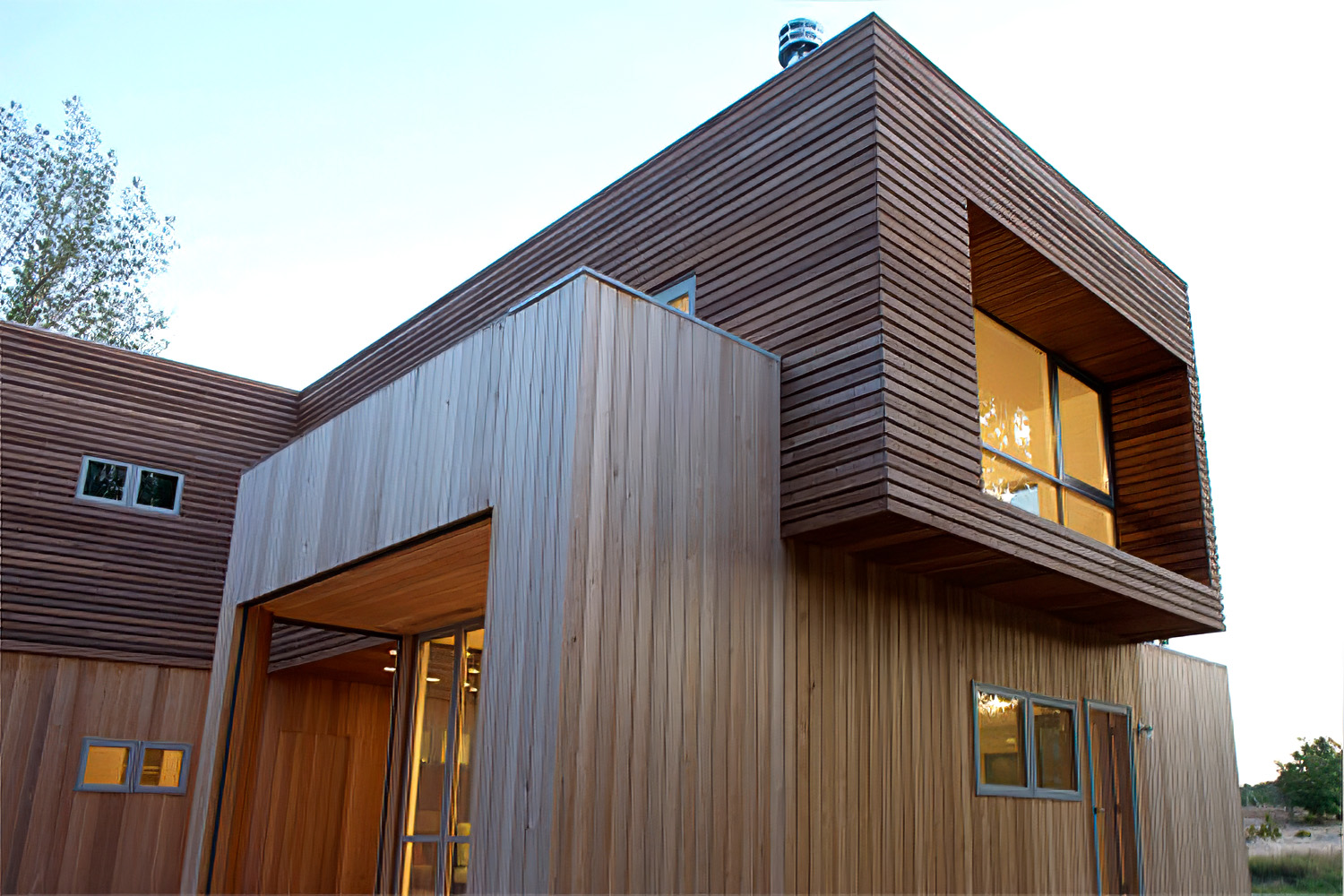
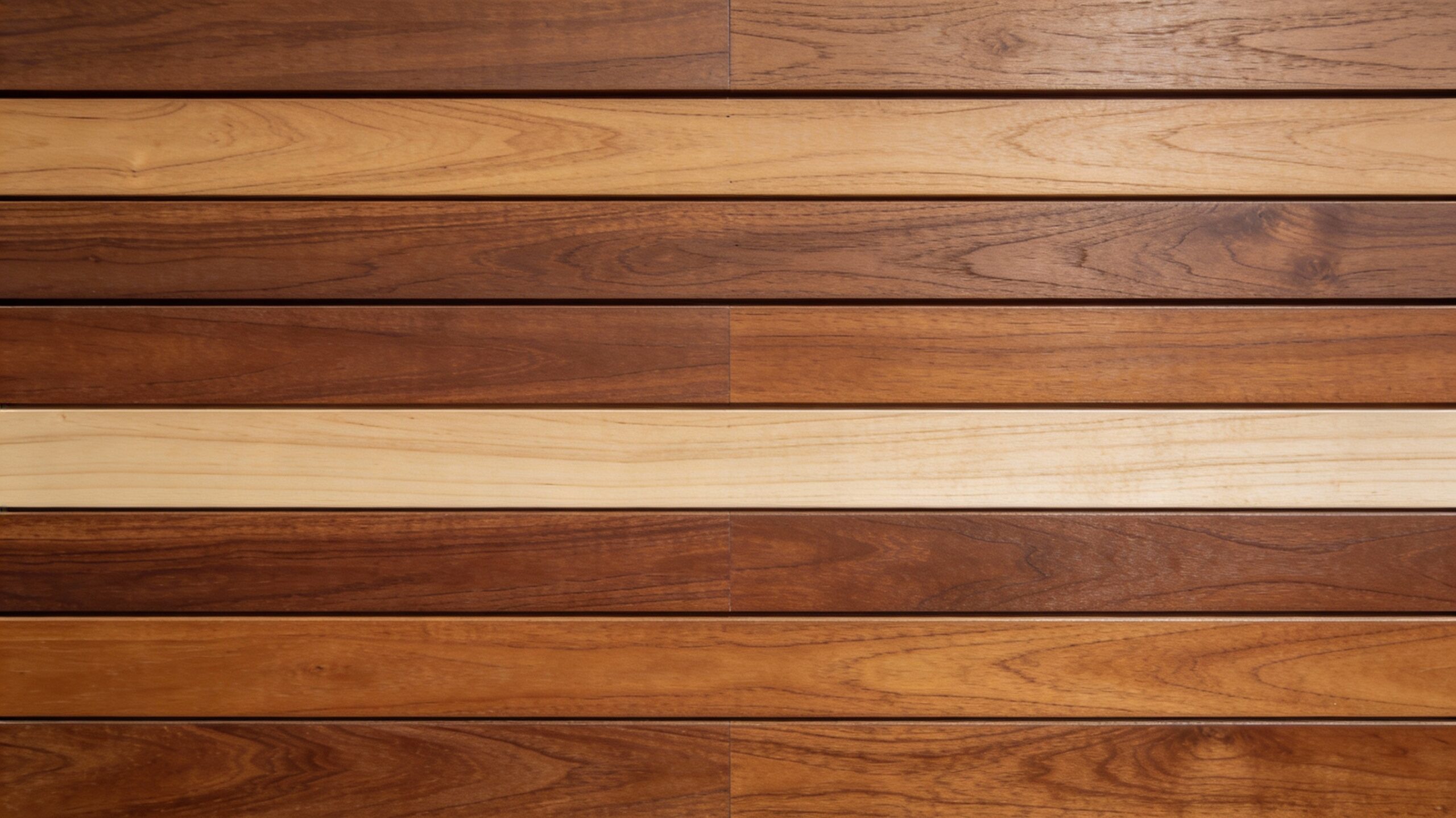
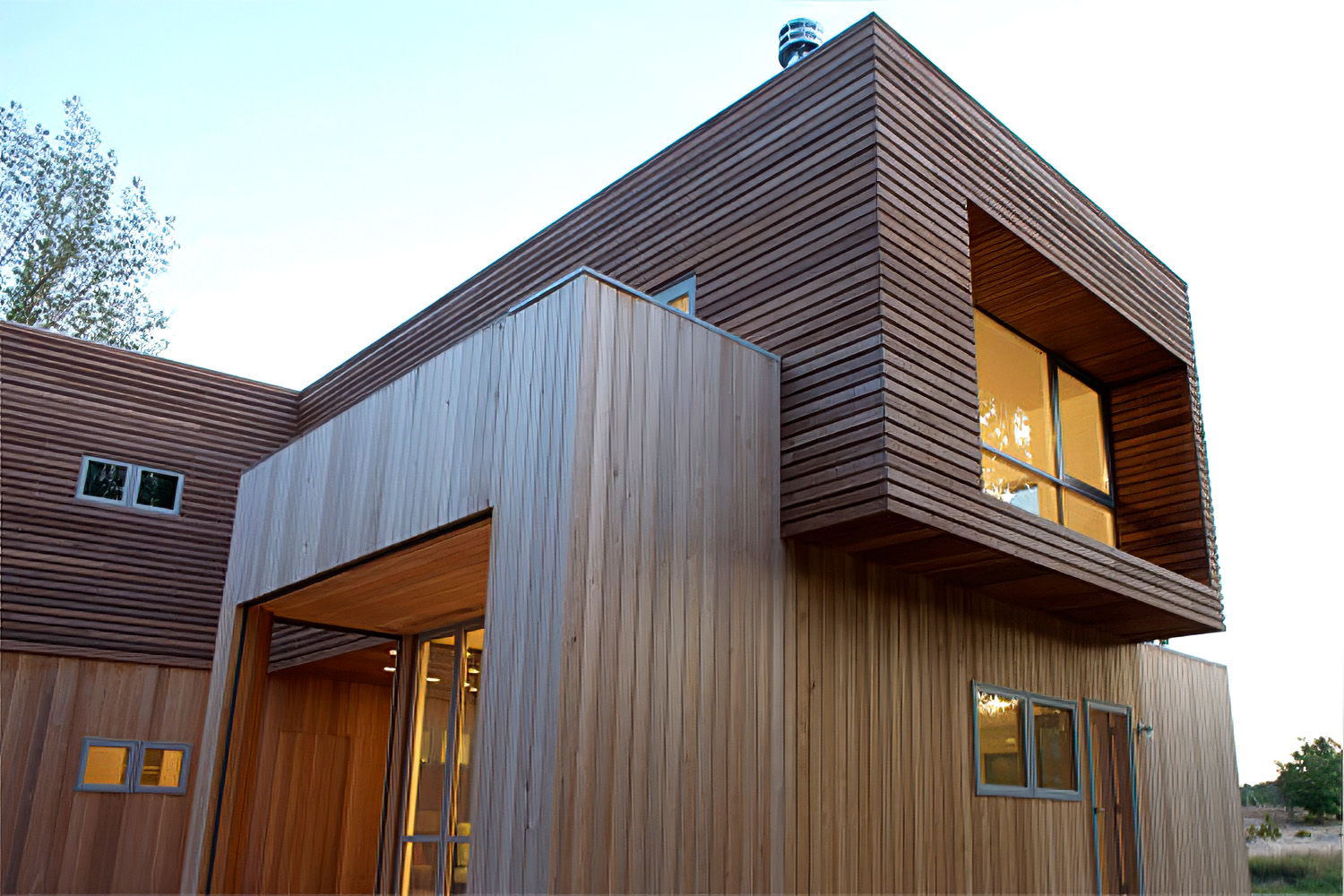
Commonly used materials include natural wood, engineered wood products, fiber cement, metal panels, and composite materials. Each material offers unique properties in terms of durability, appearance, and maintenance requirements, but all can be effectively installed within a rainscreen framework to maximize their performance and lifespan.
The Role of Ventilation in Rainscreen System Durability
Ventilation is the cornerstone of a functional rainscreen siding system, directly contributing to its long-term durability and the health of the building envelope. The air gap created behind the cladding is not merely an empty space; it's a critical pathway for air circulation that facilitates the drying process.
This continuous airflow allows any moisture that may have entered the wall assembly to escape, preventing it from saturating the building materials. By actively managing moisture, ventilation combats the conditions that lead to rot, mold growth, and structural degradation, thereby significantly extending the service life of both the siding and the underlying wall structure.