Rainscreen Cladding System Kansas City

Viking Clip Rainscreen Siding

3824 Fremont Ave, Kansas City, MO, 64129-1729, United States

+1 816 506 4131

Comprehensive Guide to Rainscreen Cladding System in Kansas City Featuring Viking Clip System

By Samuel Fisher, Rainscreensiding

Rainscreen cladding systems have transformed modern architectural design, offering an engineered approach to optimizing building envelope performance. This comprehensive guide provides an in-depth look at the Viking Clip rainscreen cladding system a high-performance, hidden-fastener solution ideally suited to withstand Kansas City's volatile climate.

Throughout this guide, we will break down the core principles of rear-ventilated facades, their long-term structural benefits, precise installation workflows, and vital maintenance protocols. You will discover how the Viking Clip system drastically improves moisture management, eliminates thermal bridging to boost energy efficiency, and protects the lifespan of natural wood cladding. Additionally, we will cover the technical specifications, field best practices, and local Kansas City building codes that govern these advanced exterior assemblies.


Overview of Rainscreen Cladding

Rainscreen cladding is an exterior wall technique designed to protect structural walls from water infiltration through an open-air cavity behind the facade. Unlike traditional siding that forces the outer surface to be entirely watertight, this intentional gap ensures that any moisture breaching the exterior can safely drain or evaporate via continuous ventilation. In Kansas City where building envelopes must regularly endure freezing winters, high summer humidity, and heavy downpours employing a rainscreen system is crucial for relieving hydrostatic pressure and preserving the underlying structure from rot and decay.

Benefits of the Viking Clip System

The Viking Clip system delivers distinct performance advantages engineered for high-exposure rainscreen applications:

Advanced Moisture Management

Its hidden-fastener mechanical layout pairs with a rear-ventilated cavity to shed rainwater quickly, promoting rapid drainage and evaporation that eliminates the risk of structural rot and mold.

Enhanced Energy Efficiency

By creating a continuous, unobstructed air gap, the system functions as a thermal buffer that interrupts heat transfer, helping stabilize indoor temperatures and reduce utility costs.

Aesthetic Appeal and Durability

The system fastens wood planks from the edges to eliminate unsightly face-nails and surface holes, maintaining a pristine exterior finish that resists weathering with minimal long-term maintenance.

Specialty Lumber Solutions specializes in providing these premium rainscreen siding products, focusing on delivering the Viking Clip system to projects throughout the Kansas City region.

Installation Procedures

Establishing a proper installation sequence is vital to achieving the intended water-drainage and ventilation performance of the Viking Clip rainscreen system.

Step 1 – Substrate Preparation

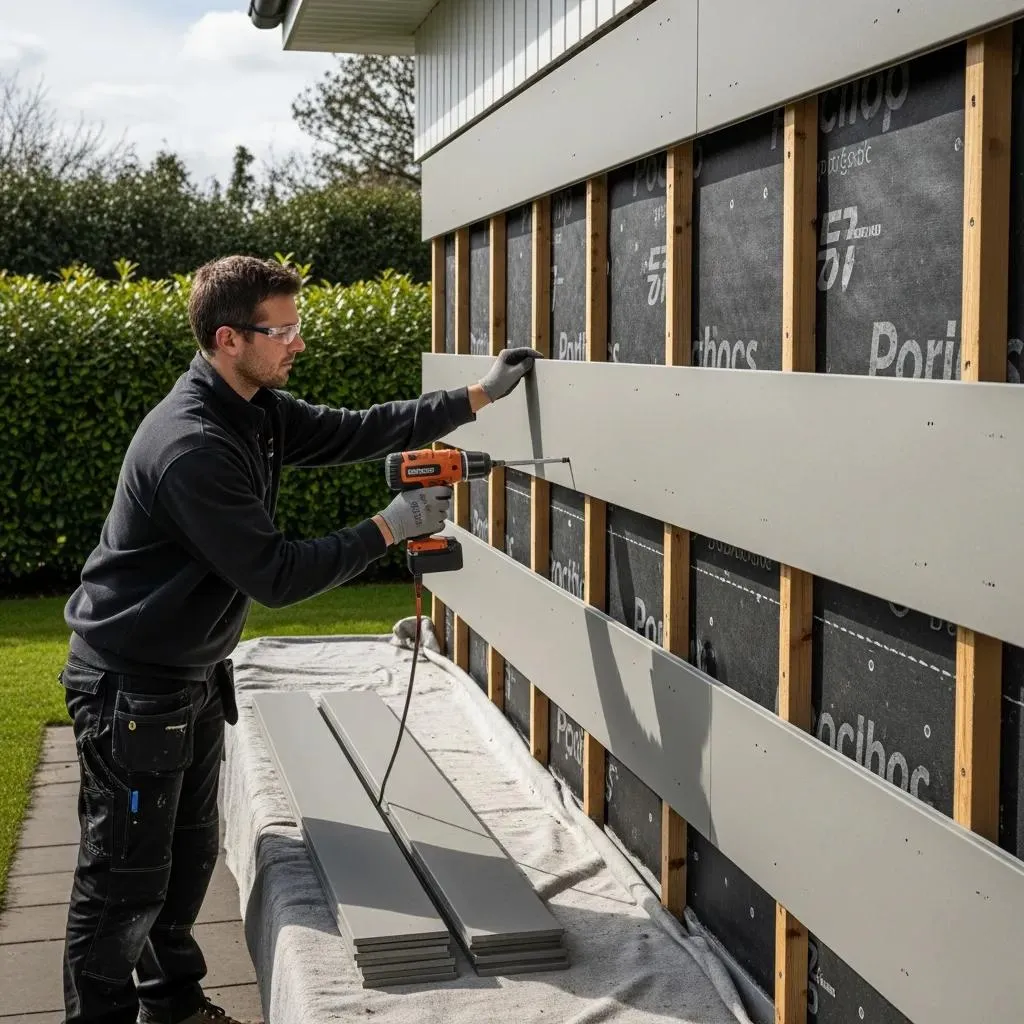
Ensure the structural wall sheathing is clean, dry, and flat. Wrap the substrate in a high-grade, vapor-permeable water-resistive barrier (WRB), overlapping all seams according to manufacturer specifications to establish a watertight seal.

Step 2 – Furring Strip Assembly

Install pressure-treated wood furring strips or engineered steel tracks vertically over the weather barrier, aligning them directly with the underlying wall studs. This step creates the essential open-cavity drainage and ventilation plane behind the cladding.

Step 3 – Viking Clip Attachment


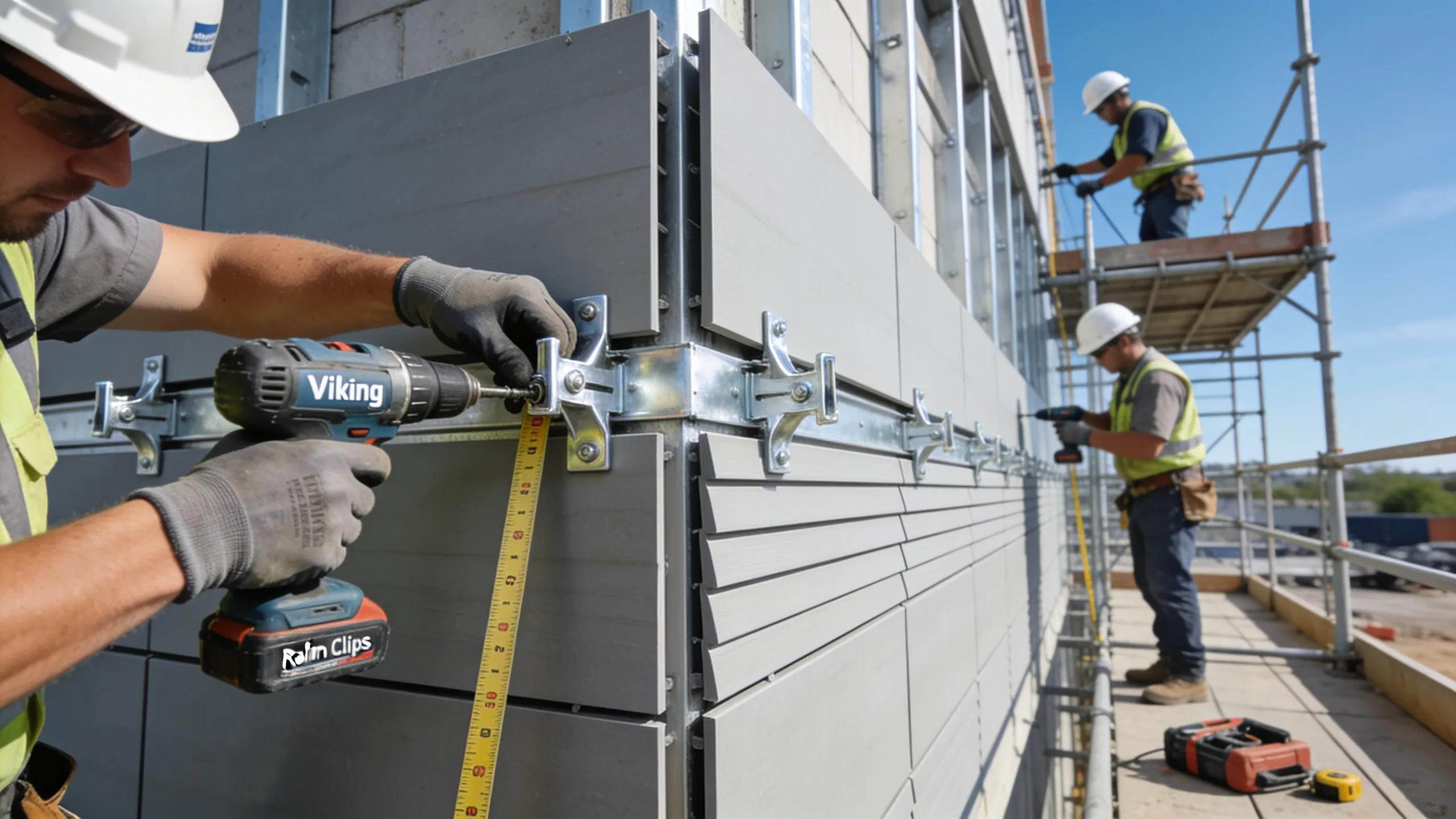
Secure the starter row of Viking Clips along the baseline of the vertical furring strips using corrosion-resistant fasteners. Ensure the clips are perfectly level across the entire length of the wall to prevent alignment issues in later rows.

Step 4 – Siding Panel Integration


Slide the pre-grooved wood siding panels down onto the exposed teeth of the secured clips. Fit each subsequent row of clips into the top groove of the panel, locking it into place before fastening the clips to the furring strips, creating a clean, face-nail-free exterior finish.

Following these steps ensures that the rainscreen cladding system will perform successfully, meeting the challenges of varying weather conditions.

Maintenance Considerations

Regular maintenance of a rainscreen cladding system is essential to maximize its structural lifespan and keep the ventilated cavity functioning at peak performance. Key maintenance workflows include:

Periodic
Inspections

Conduct thorough visual walkthroughs at least twice a year especially following severe Midwest storms or winter freezes to check for shifting panels, loose fasteners, or organic debris collecting at the base of the wall.

Cleaning
Techniques

Clean dirt, soot, and pollen from the facade using a low-pressure garden hose and a soft-bristle brush. Avoid high-pressure power washers entirely, as they can drive water deep into the ventilation cavity and scar the natural wood grain.

Proper Sealing and Treatment

Periodically reapply UV-blocking oils or exterior sealants to the wood cladding to prevent drying, cracking, and silvering. Ensure that essential open joints and weep holes remain completely clear of caulking or paint so the system can drain and breathe freely.

What Is the Viking Clip Rainscreen System and How Does It Improve Exterior Siding Ventilation?

The Viking Clip rainscreen system is an advanced architectural solution engineered to maximize both the ventilation efficiency and moisture management of exterior siding assemblies.

Design
Features

The system centers around a unique, heavy-duty hidden fastening clip that anchors wood siding planks entirely from their top and bottom edges. By gripping the pre-grooved profiles of the planks internally, this mechanism completely eliminates the need for face-nailing, preserving a flawless facade. The profile of the clip creates a uniform, built-in space between the cladding and the vertical furring strips, ensuring an engineered, unobstructed air gap across the entire wall assembly. Furthermore, it is fully compatible with multiple dense wood species, offering architects and builders exceptional design versatility.

Benefits for Exterior Siding Ventilation

By utilizing the natural physics of convective airflow, the Viking Clip system turns the cavity behind the siding into a continuous chimney. Cool air enters through open vents at the base of the wall, warms up, and rises out through the top exhaust. This aggressive airflow rapidly carries away ambient humidity and accelerates the evaporation of wind-driven rainwater that bypasses the outer planks. By keeping moisture retention to an absolute minimum, the system stops structural rot, cupping, and fungal decay before they can start, significantly expanding the service life of natural wood siding.

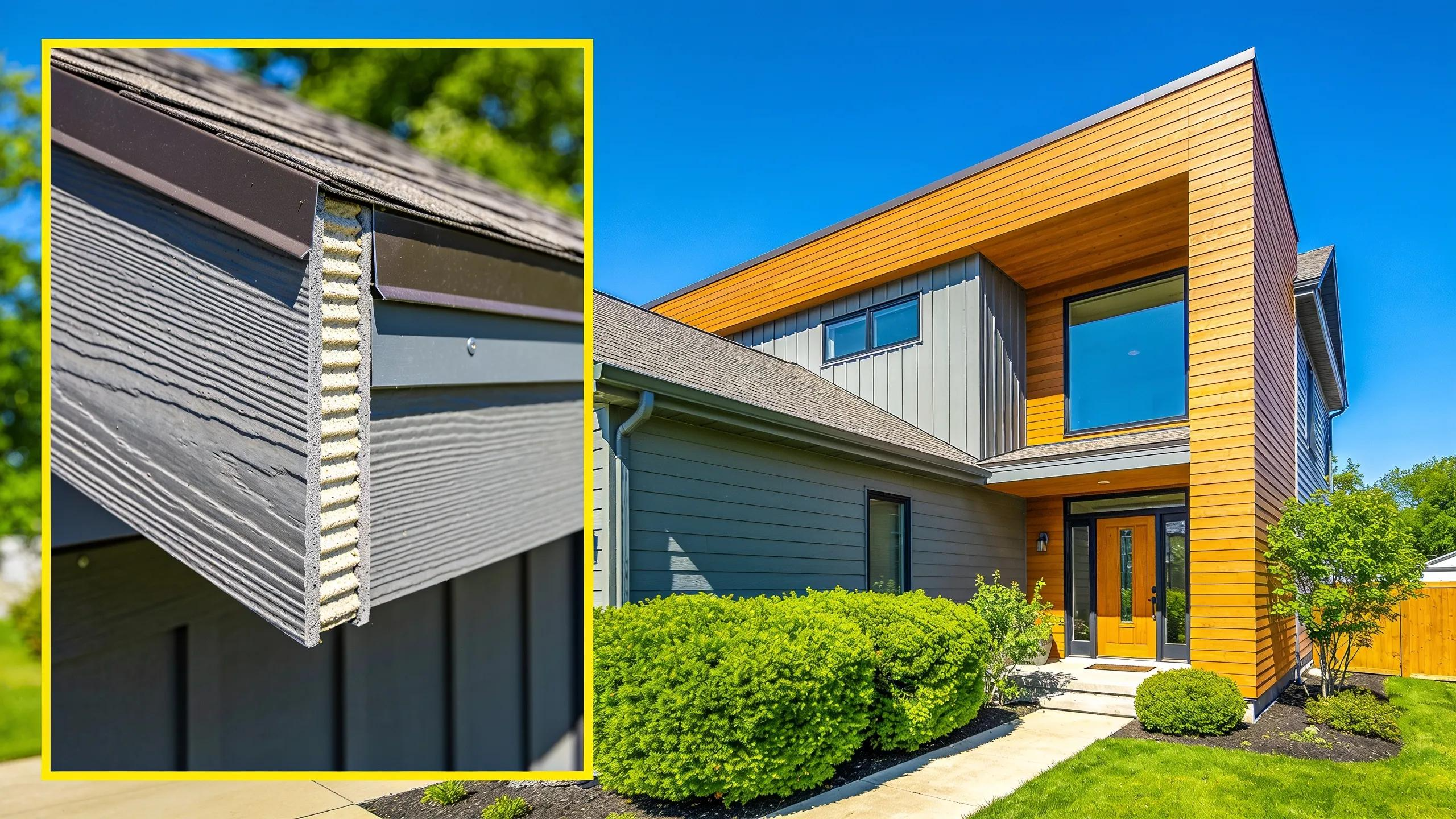
Impact on Moisture Management

The engineered drainage plane built into the Viking Clip design acts as the primary defense against water damage. By breaking the capillary path of wind-driven rain and immediately channeling water down the back of the cladding, the system stops hydrostatic pressure from pushing moisture into the building envelope. This rapid shedding of liquid water, combined with immediate drainage, keeps the structural framing dry, provides crucial protection against rot, and significantly extends the lifespan of the entire wall assembly.

What Are the Technical Specifications of the Viking Clip System?

The Viking Clip system is engineered to precise material and structural standards to guarantee long-term performance under environmental stress:

  • Materials and Composition: Molded from heavy-duty, UV-stabilized High-Density Polyethylene (HDPE). This industrial-grade polymer is immune to rust, rot, and wood acids, allowing it to withstand extreme temperature swings without cracking.
  • Installation Mechanics: Features pre-drilled alignment holes for corrosion-resistant fasteners. The clip's structural teeth automatically set the required expansion gap between wood planks, reducing labor costs while ensuring a secure, uniform attachment.
  • Performance Values: The clip's profile maintains a consistent 3/4-inch deep rear-ventilation cavity, optimizing convective airflow and water drainage. This built-in gap creates a thermal break that helps improve the building's overall insulation efficiency.

How Does Rainscreen Cladding Enhance Building Envelope Performance in Kansas City Climates?

Rainscreen cladding enhances building envelope performance by directly counteracting the region's intense climate swings. In Kansas City where hot, humid summers shift into freezing, snowy winters the Viking Clip rainscreen system provides three key advantages:

  • Ventilation Benefits: Continuous air circulation within the cavity vents trapped summer humidity and rapidly dries out moisture from winter snowmelt before it can reach the sub-wall.
  • Energy Efficiency: The physical air gap acts as a thermal break, blocking solar heat radiation in July and forming an insulative buffer in January to lower heating and cooling costs.
  • Durability Improvements: By isolating the exterior wood from the structural wall, the system eliminates water pooling and protects materials from harsh freeze-thaw cycles, preventing wood warping and reducing maintenance expenses.

What Are the Best Practices for Rainscreen Siding Installation Using the Viking Clip System in Kansas City?

Successful installation of the Viking Clip system relies on adhering to specific field best practices tailored to the local climate:

Rigorous Preparation

Ensure the framing is flat and completely sealed with a high-quality, UV-stable water-resistive barrier (WRB). Tape all seams and penetrations meticulously to withstand Kansas City's high wind-driven rains.

Mistakes to Avoid

Never use interior-grade or easily corroded fasteners; use high-grade stainless steel screws to prevent degradation. Most importantly, never caulk or paint over the top and bottom ventilation tracks, as closing these openings completely destroys the system’s convective airflow.

Proactive Maintenance

Establish a routine inspection schedule every spring and fall. Clean out any insect nests, leaves, or debris from the bottom bug screens to keep the air intake clear and ensure the cavity can drain and breathe freely.

How Do Local Building Codes Impact the Installation of Rainscreen Cladding Systems?

Building codes in Kansas City, similar to other regions, dictate certain standards that must be met when installing rainscreen cladding systems. Compliance with local regulations ensures:Specific Regulations Affecting Installation: Adherence to fire safety, material, and structural stability requirements is essential. Builders must be familiar with local codes to avoid penalties and ensure project success. Reviewing previous projects that successfully complied with codes can provide invaluable insights into best practices.

How Do Durable and Energy Efficient Cladding Systems, Like Viking Clip, Benefit Kansas City Buildings?

Durable and energy-efficient cladding systems, including the Viking Clip, offer major long-term benefits to regional properties:

  • Measurable Energy Savings: The built-in air buffer creates a clean thermal break, preventing extreme outside temperatures from radiating directly into the building sheathing. This stabilizes indoor climates and slashes seasonal utility costs.
  • Long-Term Durability: The robust High-Density Polyethylene (HDPE) clip design eliminates moisture pooling. By allowing the wall assembly to dry rapidly after heavy rains and freezing winters, it prevents wood warping, cupping, and structural rot.
  • Reduced Environmental Impact: Lowering a building's heating and cooling demands directly shrinks its operational carbon footprint. Extending the lifespan of the natural wood materials also makes it a highly sustainable choice for eco-conscious owners.

What Data Supports Energy Efficiency Improvements from Rainscreen Ventilation Technology?

Empirical field studies confirm that rear-ventilated rainscreen assemblies significantly cut building energy consumption by utilizing a convective "chimney effect" to vent solar heat. This natural airflow loop blocks intense solar radiation from transferring into the building sheathing, reducing summer cooling loads by up to 55%. During winter, the system prevents moisture pooling to keep the underlying insulation dry, preserving its thermal resistance and cutting heating demands by up to 20%. Ultimately, these combined thermal advantages allow continuous-ventilation rainscreen systems to lower seasonal energy bills by 30% to 40% compared to traditional direct-fixed facades.

How Does the Viking Clip System Contribute to Long-Term Cladding Durability and Lower Maintenance?

The Viking Clip system pairs high-endurance materials with smart structural design to maximize cladding lifespan while reducing upkeep:

High-Impact Weather Resistance

Molded from UV-stabilized HDPE, the clips never rust, corrode, or degrade from wood acids, ensuring a rock-solid structural hold through decades of intense freeze-thaw cycles.

Elimination of
Surface
Failures

Edge-fastening eliminates face-nails entirely. This keeps the wood surface intact, blocking moisture from seeping into nail holes and preventing the splitting, rotting, and rust-streaking common in traditional siding.

Proactive
Moisture
Control

The uniform air cavity allows constant ventilation that dries out wind-driven rain and humidity. Keeping the wall dry stops wood planks from warping, cupping, or molding, drastically slashing long-term maintenance costs.

Which Customer Case Studies and Cost Factors Should Kansas City Builders Consider for Viking Clip Rainscreen Systems?

When evaluating the Viking Clip rainscreen system for local projects, balancing immediate expenses against long-term operational performance provides a clear financial roadmap:

Competitive Upfront Costs

Standard hidden fasteners average between $1.25 to $1.40 per set (including marine-grade or UV-stabilized components and stainless steel screws), with volume discounts usually available when ordering clips alongside matching premium siding.

Reduced Labor Expenses

Real-world builder case studies show substantial savings on labor. The clip's structural teeth automatically set the required expansion gaps, allowing crews to anchor panels much faster than traditional face-nailing or complex tracking systems.

High Lifecycle Return

By creating a 3/4-inch thermal break and ventilation cavity, property owners see immediate utility drops. The continuous airflow prevents moisture entrapment and rot, reducing building heating and cooling demands by 30% to 40% over the system's lifespan.

What Are Exemplary Kansas City Rainscreen Cladding Installations Using Viking Clip?

otable regional applications highlight the architectural flexibility and performance of the Viking Clip system:

  • KCPD North Patrol (Kansas City, MO): This high-profile municipal project uses the Viking Clip system to anchor a durable, face-fastener-free rainscreen facade engineered to block heavy, wind-driven Midwestern rain.
  • Premium Hardwood Facades: Local suppliers like Specialty Lumber Solutions package the Viking Clip system with ultra-dense woods like Ipe and Garapa. These setups allow the heavy planks to handle extreme seasonal shifting without splitting.
  • No-Batten VC2 Innovations: Several modern local builds utilize the specialized VC2 layout, fastening clips directly over vapor-permeable house wraps. This bypasses traditional wood furring strips entirely to speed up install times.

What Are Typical Installation Costs and Financing Options for Rainscreen Siding Systems?

Understanding the financial structure of a rainscreen project helps streamline budgeting and capital allocation:

Project Cost Breakdown

Viking Clip hardware pricing varies by clip type. Current listed pricing includes $0.95 per clip for Vkg Clip I (On Batten) and $1.25 per clip for Vkg Clip II and III (No Batten systems), with smaller packaged options also available. 

Material Pricing Notes

Pricing shown for hardwood rain screen siding is for siding only and does not include Viking Clips or furring strips.

The price list also notes that products are subject to prior sale and change without notice, and custom length requests or pre-grooving may involve additional charges.

Long-Term Value

A properly detailed rainscreen system can improve moisture management and support long-term cladding performance when installed according to system guidelines.

Final project value depends on the selected wood species, clip system, installation method, and ongoing maintenance requirements.