
Composite decking is a popular choice due to its exceptional durability and low maintenance requirements. Made from a blend of wood fibers and recycled plastic, composite materials resist fading, staining, and warping, making them ideal for the fluctuating Kansas City climate. Homeowners appreciate that composite decking does not require regular sealing or staining, allowing for more time to enjoy their outdoor spaces. Additionally, many composite products are designed to mimic the appearance of natural wood, providing an attractive aesthetic without the upkeep.
The long-term performance of composite materials, especially under varying environmental conditions, is a key area of study to ensure their continued reliability in infrastructure projects.
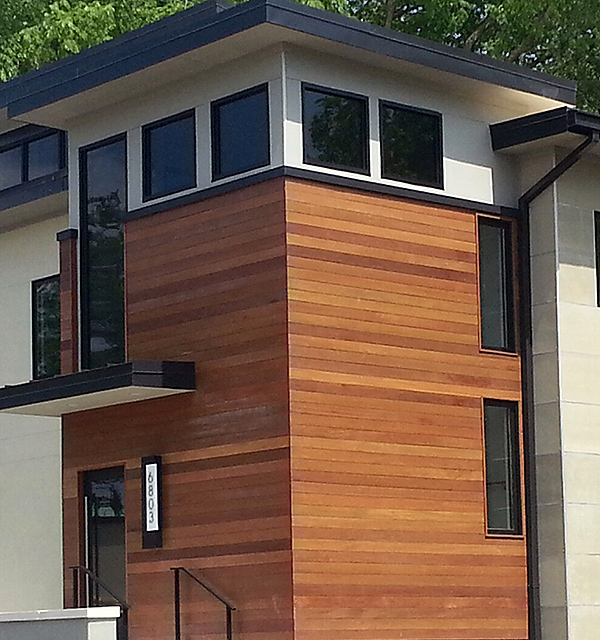
As composite materials are finding increasing use in infrastructure projects, their durability over the life span of a structure needs to be quantified. Thus, effects due to the freeze–thaw cycles, de-icing chemicals, humidity, UV radiation, and erosion on the material behaviors need to be studied in order to establish proper design methodologies to account for these conditions over the life of the structure.
Composite durability and aging in civil infrastructures, 2011
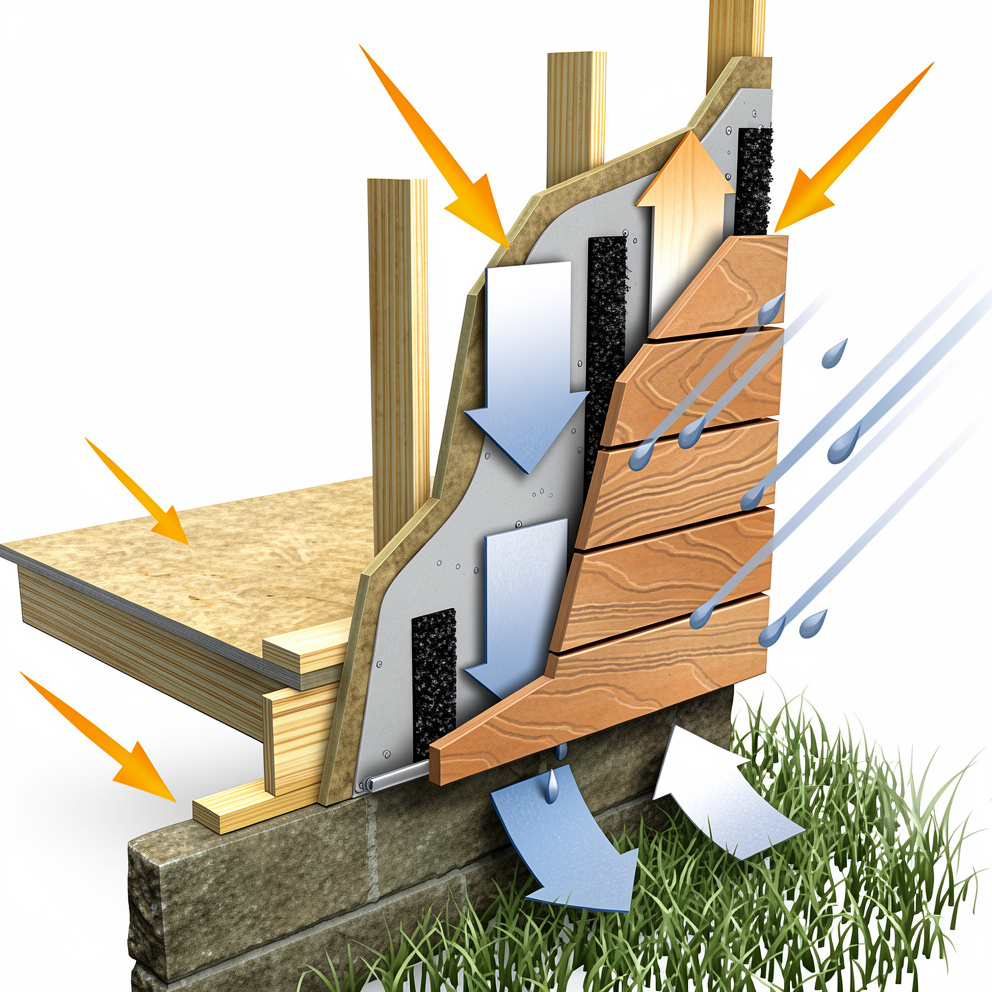
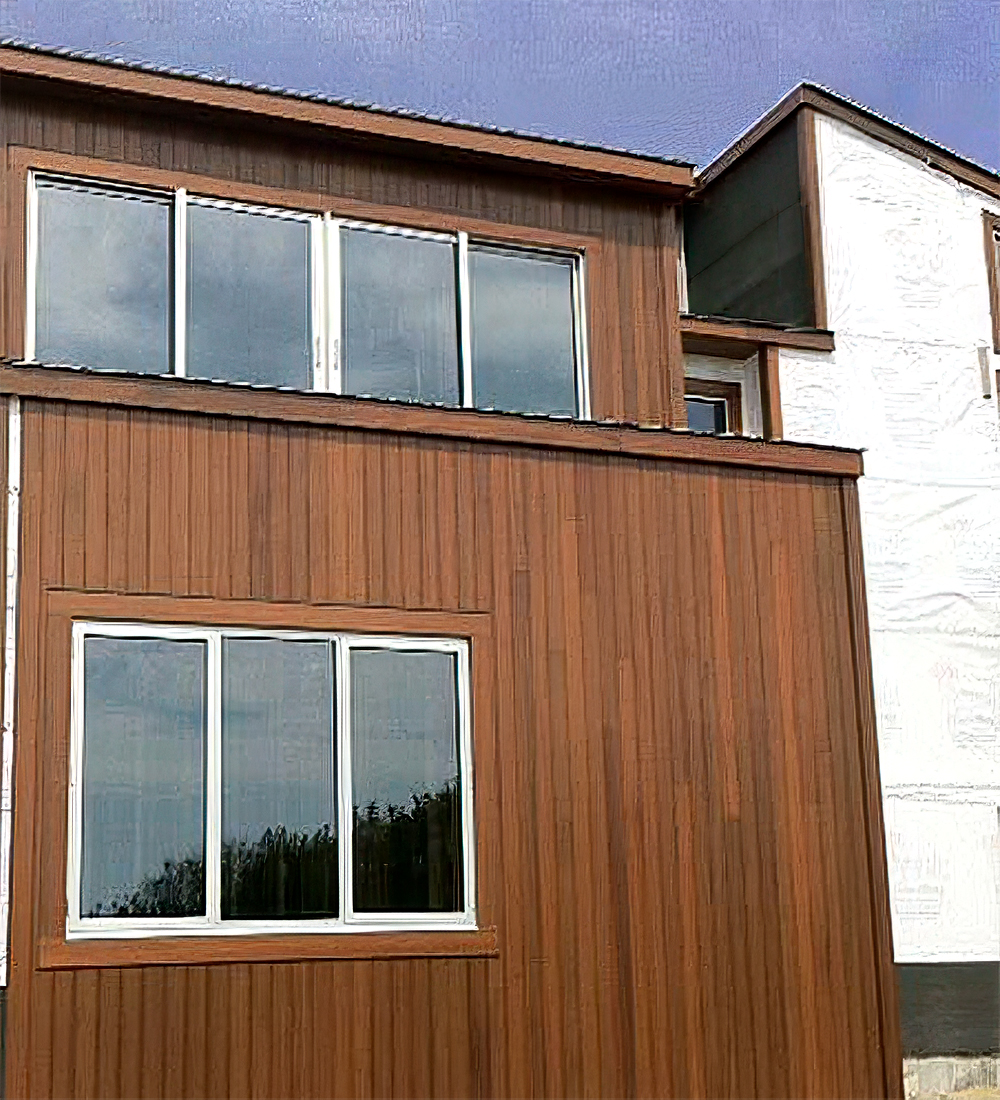
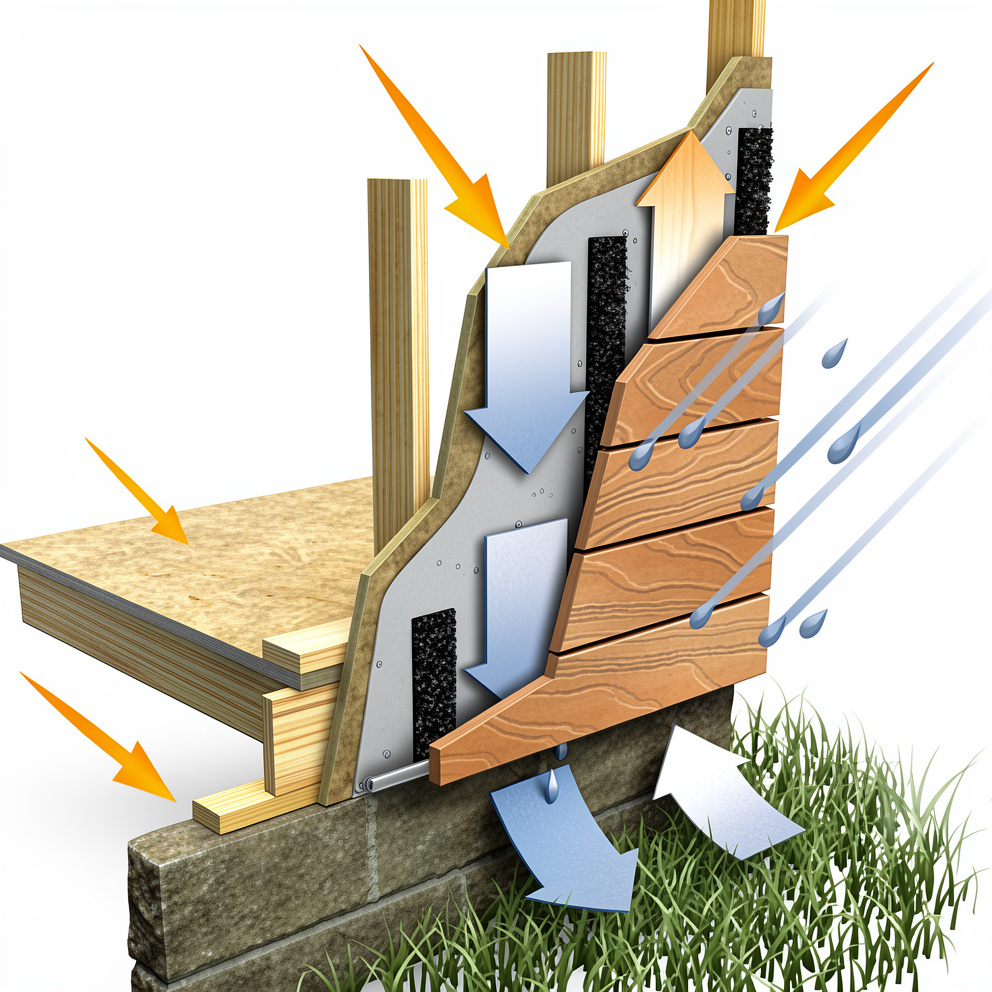
Many of these state and local building codes are based on the model codes from the International Residential Code (IRC) or International Building Code (IBC). However, local jurisdictions often amend these model codes to address specific regional conditions or preferences. This guidance leaves deck builders to guess about how to comply with IRC requirements.
Black & Decker Deck Codes & Standards: How to Design, Build, Inspect & Maintain a Safer Deck, 2017
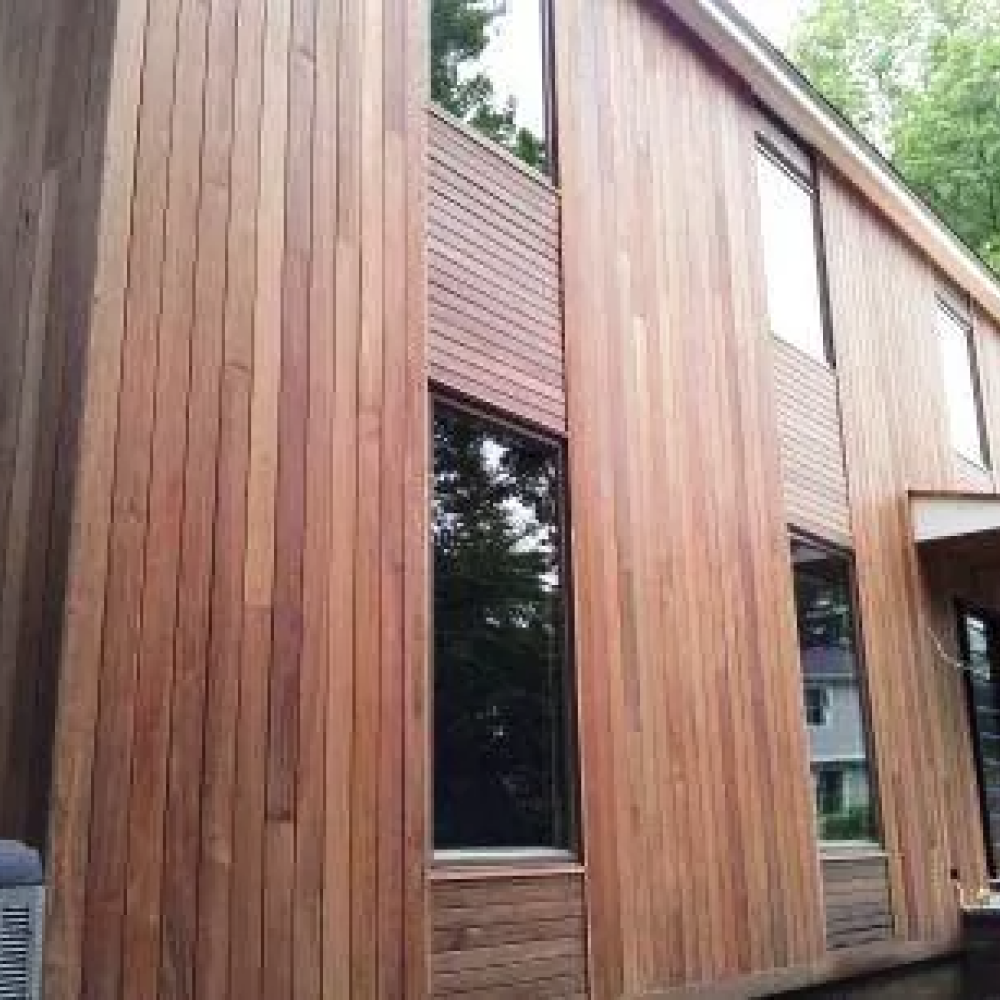
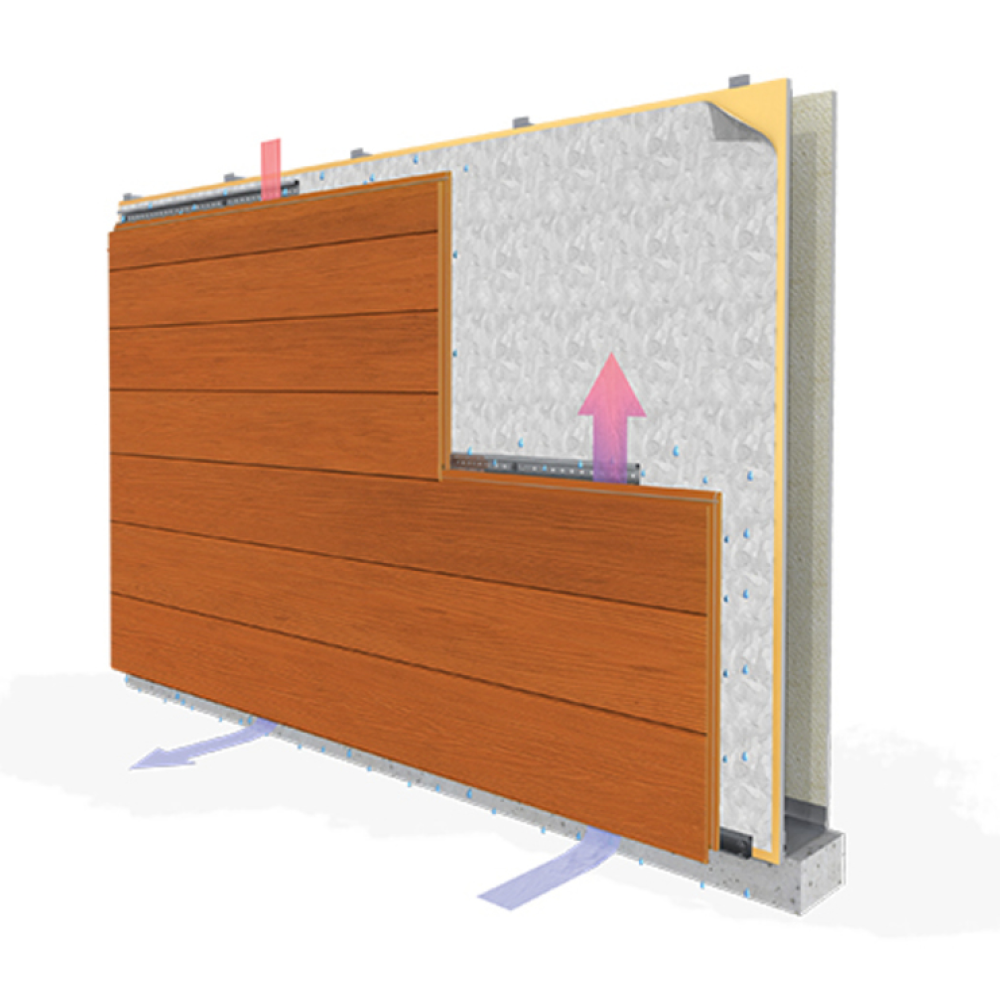
Local contractors offer a range of deck repair services, including fixing loose boards, replacing damaged railings, and addressing issues related to water damage. Homeowners should be proactive in identifying problems early to prevent more extensive damage. Regular inspections can help catch issues before they escalate, ensuring the deck remains safe and functional.
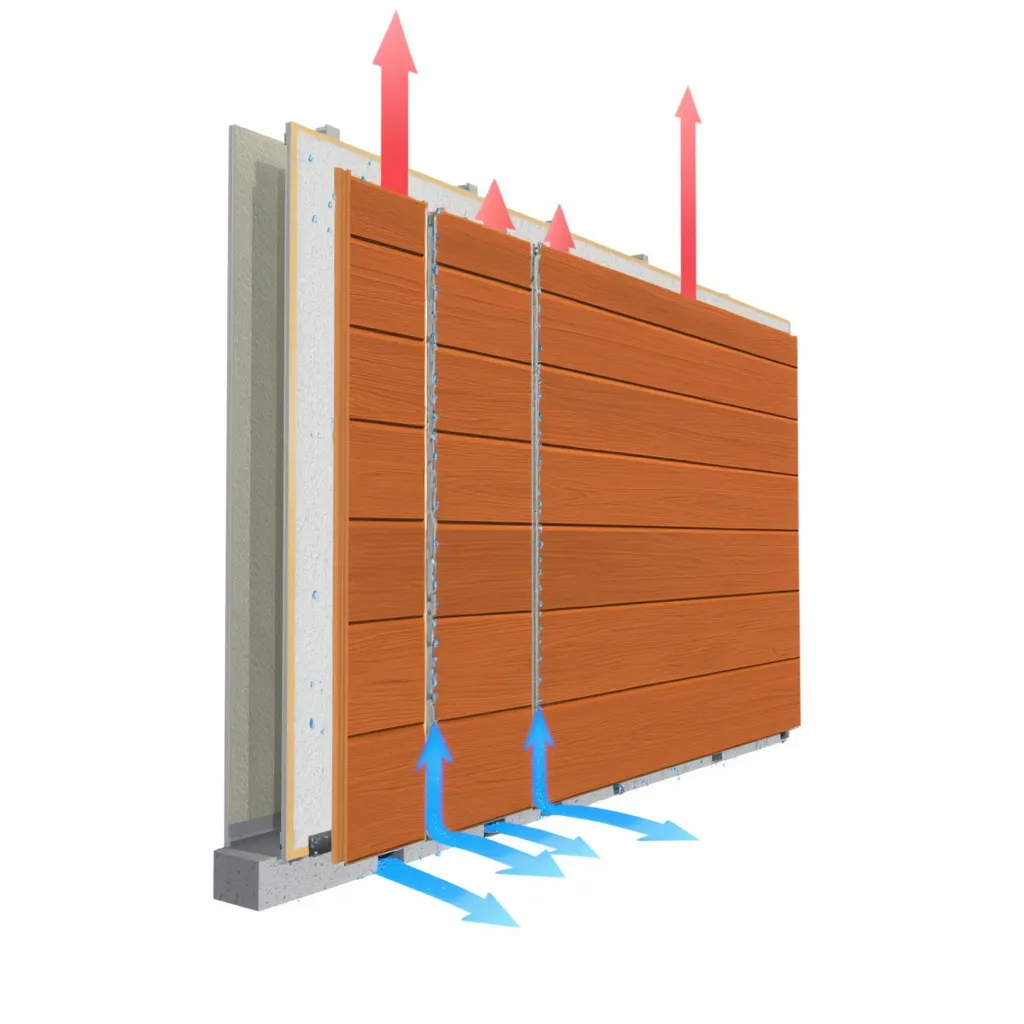
Maintaining a deck in Kansas City requires consideration of the local climate, which can be humid in the summer and cold in the winter. Homeowners should clean their decks regularly to remove debris and prevent mold growth. Additionally, applying a protective sealant can help shield the wood from moisture and UV damage. Seasonal maintenance tasks, such as checking for loose boards and ensuring proper drainage, are also essential for keeping the deck in good condition.
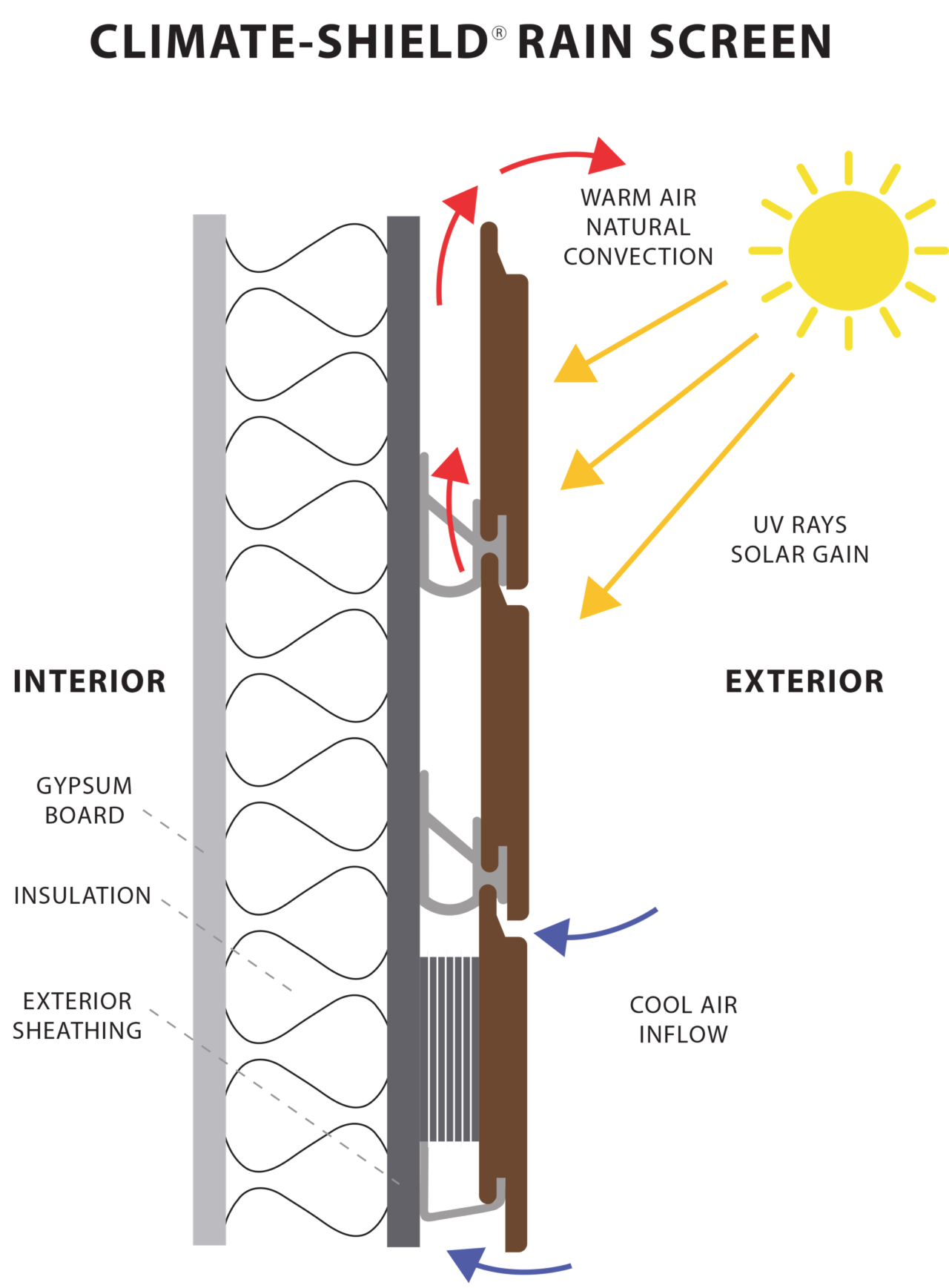
Understanding local permits and regulations is vital for any deck construction project. Kansas City has specific requirements that homeowners must follow to ensure compliance and safety.
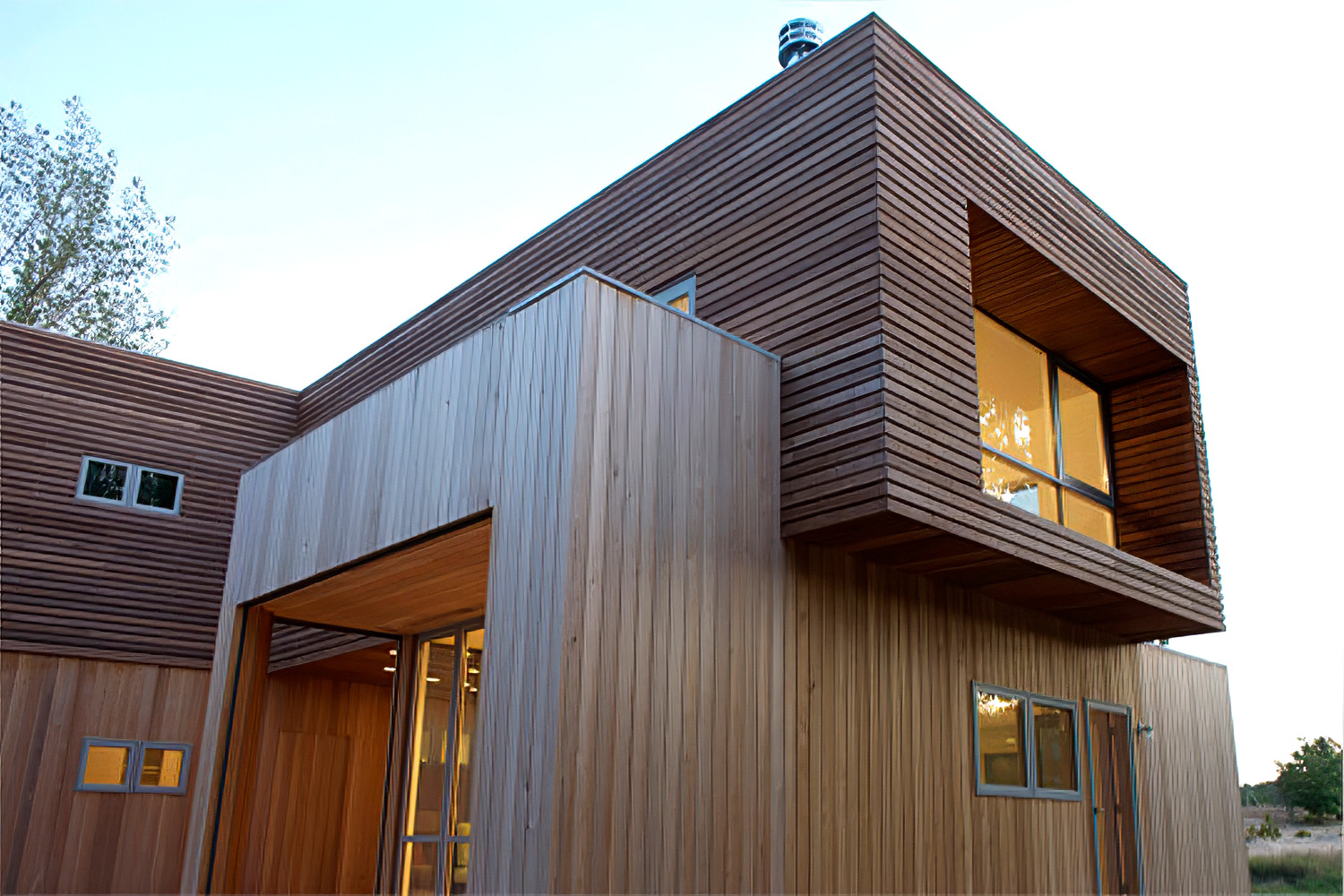
To obtain a deck permit in Kansas City, homeowners must submit an application to the local building department. This process typically involves providing detailed plans of the proposed deck, including dimensions and materials. Homeowners may also need to pay a fee and schedule an inspection once the deck is built. It is advisable to check with local authorities for any specific requirements or changes in regulations.
Building codes in Kansas City dictate the standards for deck construction, including structural integrity, safety features, and material specifications. Homeowners should familiarize themselves with these codes to ensure their deck meets all necessary requirements. Compliance with building codes not only ensures safety but can also prevent potential fines or issues when selling the property in the future.
Ensuring adherence to these codes is paramount, and innovative approaches are continually being developed to streamline the compliance process for various construction methods.
This paper presents a framework that overcomes compliance challenges when off-site construction is used for buildings and ensuring they meet local building codes and regulatory requirements.
Building code compliance for off-site construction, M Gharbia, 2023
The cost of deck installation and repair in Kansas City can vary significantly based on several factors, including the size of the deck, materials used, and the complexity of the design. Understanding these costs can help homeowners budget effectively for their projects.
Several factors influence the cost of decking in Kansas City, including material choice, labor costs, and market demand. Composite decking tends to be more expensive upfront compared to wood, but its longevity and low maintenance can make it a cost-effective choice in the long run. Labor costs can also vary based on the contractor's experience and the project's complexity. Homeowners should obtain multiple quotes to ensure they receive a fair price.
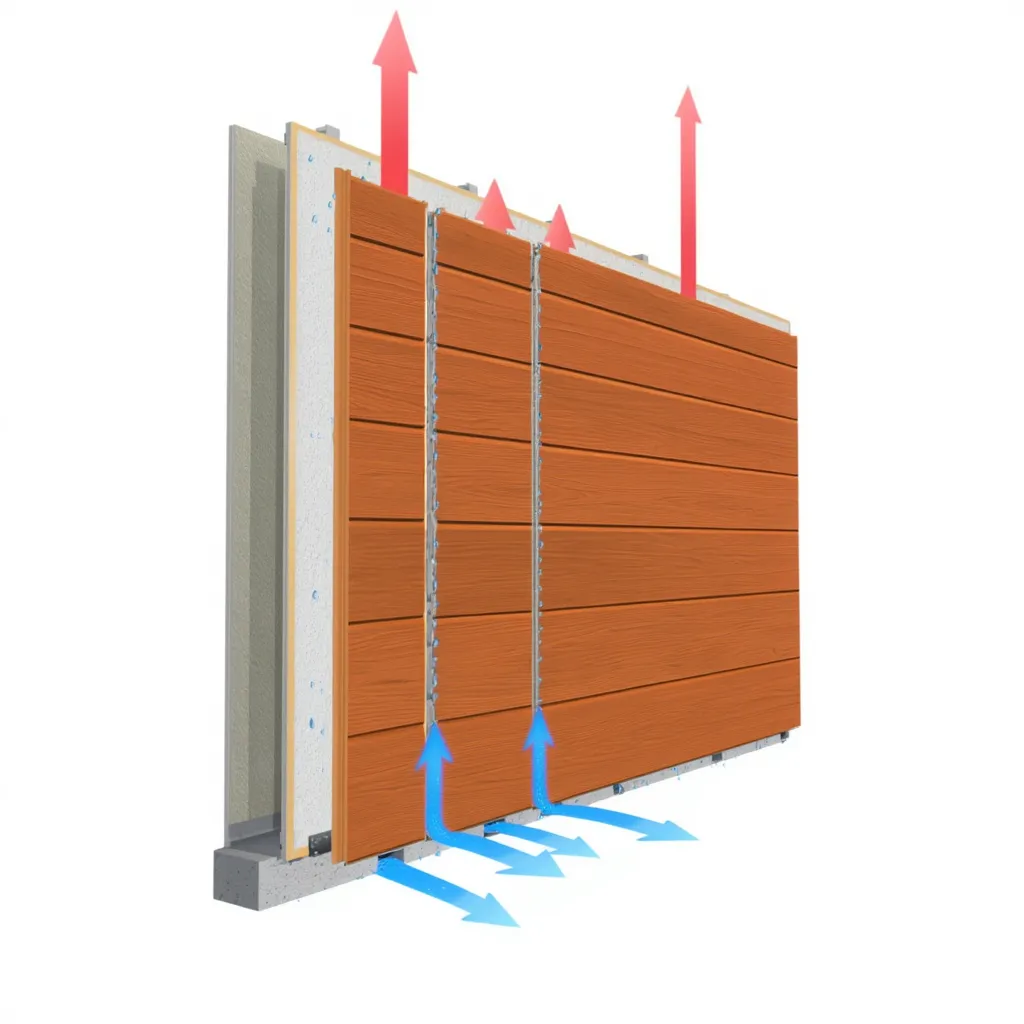
Homeowners looking to finance their deck projects have several options available. Many contractors offer financing plans that allow homeowners to pay for their projects over time. Additionally, personal loans and home equity lines of credit can provide the necessary funds for larger projects. It is essential to compare different financing options to find the best terms and interest rates.
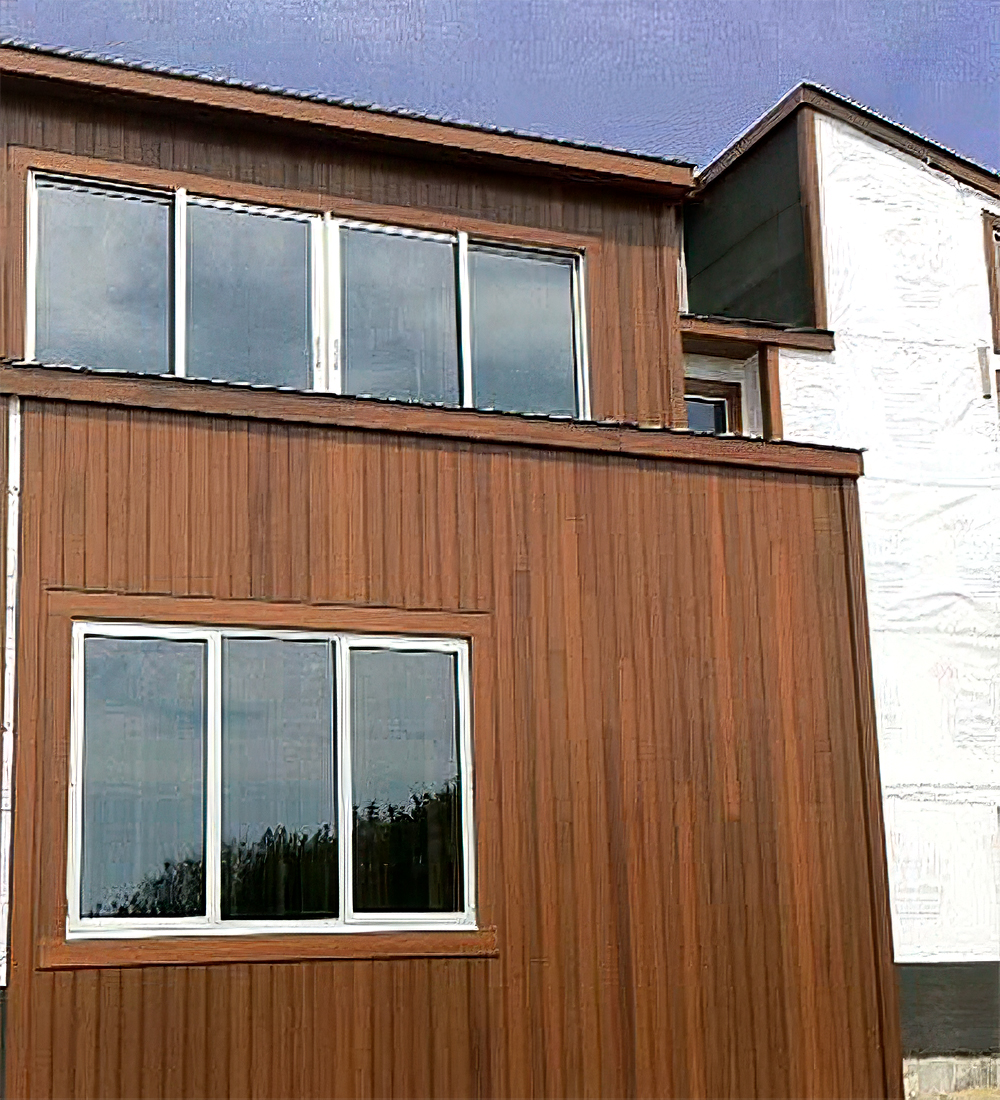
| Service | Cost | Financing Options |
|---|---|---|
| Deck Installation | $3,000 - $10,000 | Contractor financing, personal loans |
| Deck Repair | $500 - $2,500 | Payment plans, credit cards |
| Maintenance Services | $200 - $800 | Subscription services, one-time payments |
© 2025 Interio. All rights reserved.