
Viking Clip Rainscreen Siding
3824 Fremont Ave, Kansas City, MO, 64129-1729, United States
+1 816 506 4131
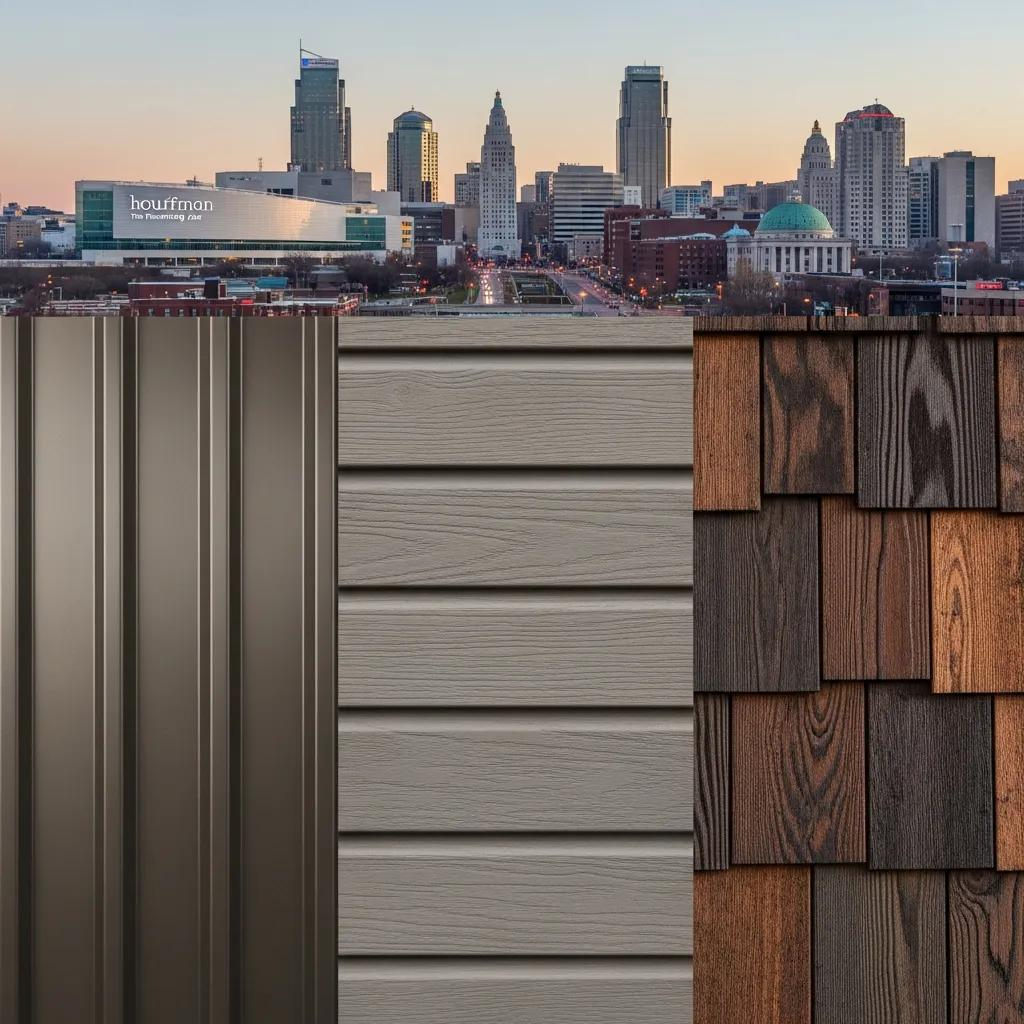
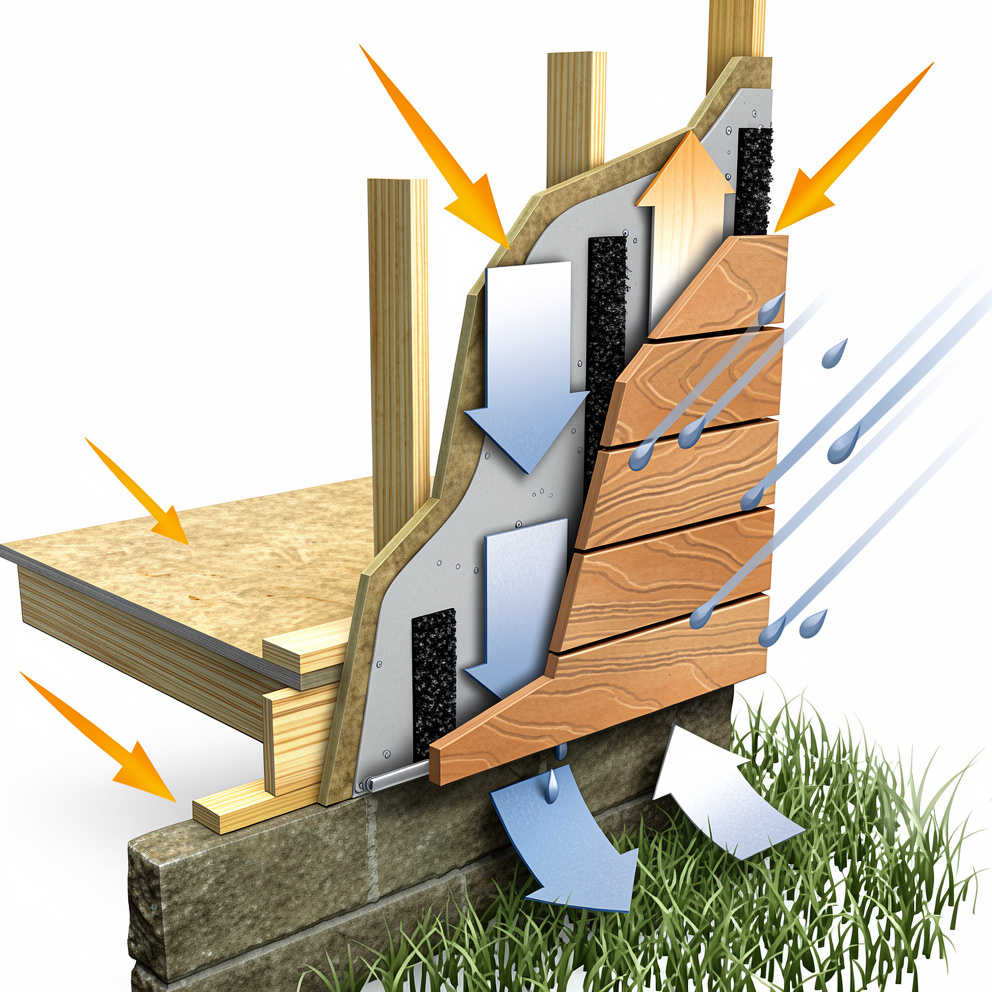
Modern siding panels with rainscreen technology are designed to manage moisture effectively while providing insulation and aesthetic appeal. Rainscreen systems feature an air gap that enhances ventilation, thereby reducing the risk of moisture buildup and protecting the structural integrity of buildings. This architectural approach is particularly valuable in regions like Kansas City, where fluctuating weather conditions demand resilient building solutions.
A drainage space between stucco and housewrap is essential to control water. Rain-Screen Walls: a Better Way to Install Siding, 2001
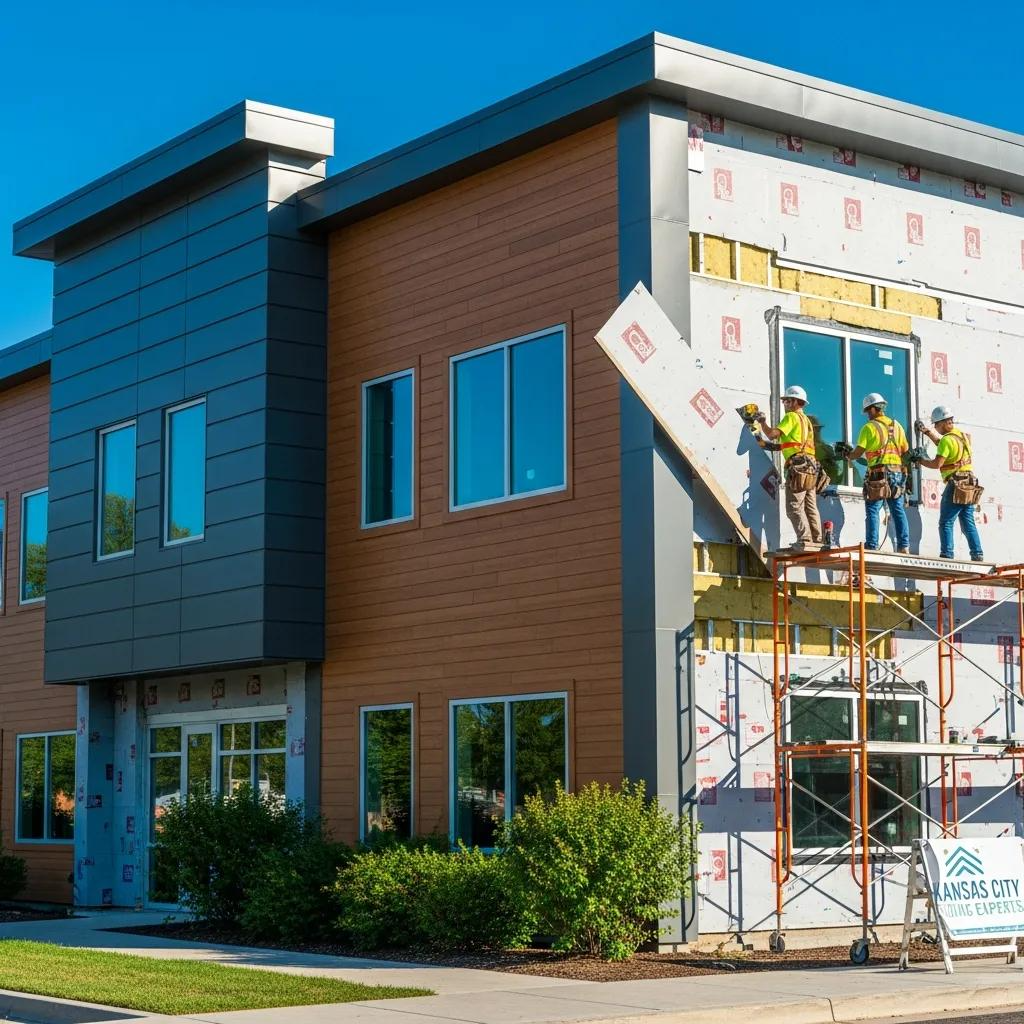
Installing a Viking Clip system replaces traditional face-nailing with a precision-engineered, modular workflow. Crews should prioritize these core technical standards:
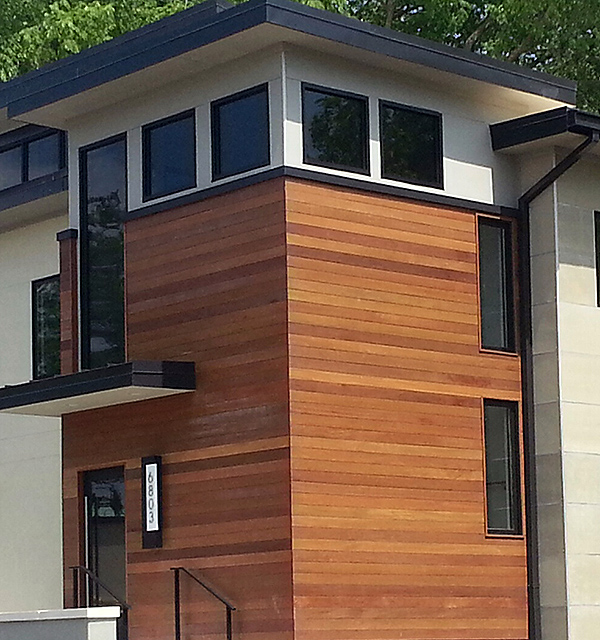
This paper presents a state-of-the-art review of rainscreen cladding performance in residential building walls, with a focus on their moisture management capabilities, integration with windows, and use of exterior insulation to enhance building durability and energy efficiency. Rainscreens effectively control moisture and protect buildings from the weather, but challenges exist, particularly in integrating windows without disrupting the wall system's thermal and moisture performance, cost of rainscreen walls, and maintenance need.
A Review of the State-of-the-Art of Rainscreen Cladding Performance in Residential Building Walls, H Palani, 2025
Moisture control is a critical means of improving the performance of solid-color stain and paint on wood siding. In this article, recommendations are given for constructing a rain screen, sealing the end grain, and back-priming siding to achieve this goal. Rain screen construction and back priming inhibit water absorption and bleed from run-down extractives if water gets behind the siding. Inhibiting water absorption improves dimensional stability of siding, thus improving finish performance. Improving the performance of painted wood siding: rain screen, end-grain seal, and back priming, 2009
The Viking Clip system uses a hidden-fastener architecture that secures cladding panels from the edges, completely eliminating visible face-nails and surface-splitting. The aluminum clips function as floating expansion joints, allowing the siding to expand and contract naturally during Kansas City's seasonal temperature swings without buckling or warping. Additionally, the interlocking design serves as an automatic spacer that accelerates field installation while guaranteeing a uniform ventilation cavity for optimal rainscreen performance.
The Viking Clip system utilizes a patented mechanism that securely fastens siding panels without the need for visible nails or screws. This hidden fastening technique not only enhances the aesthetic appeal but also makes the panels easier to install and replace. Proper alignment and secure attachment eliminate gaps where moisture might accumulate, providing an added layer of protection.
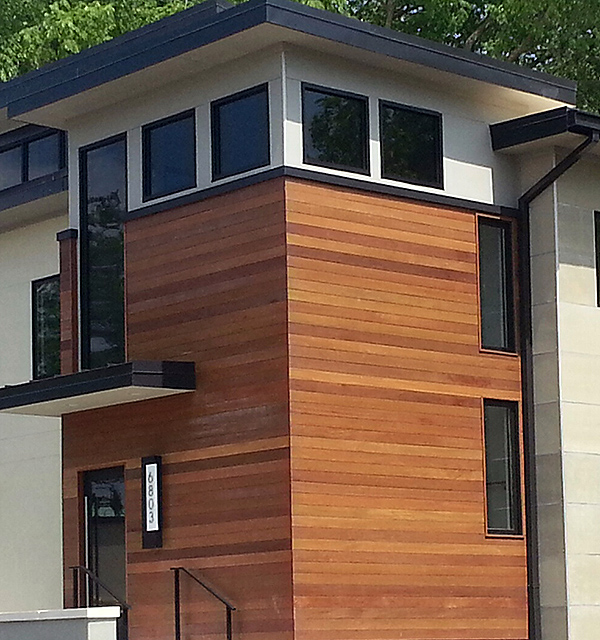
Choosing the right siding material is critical for performance and aesthetics. Fiber cement and aluminum siding are two popular options, each offering distinct benefits that can cater to the specific needs of Kansas City homeowners.
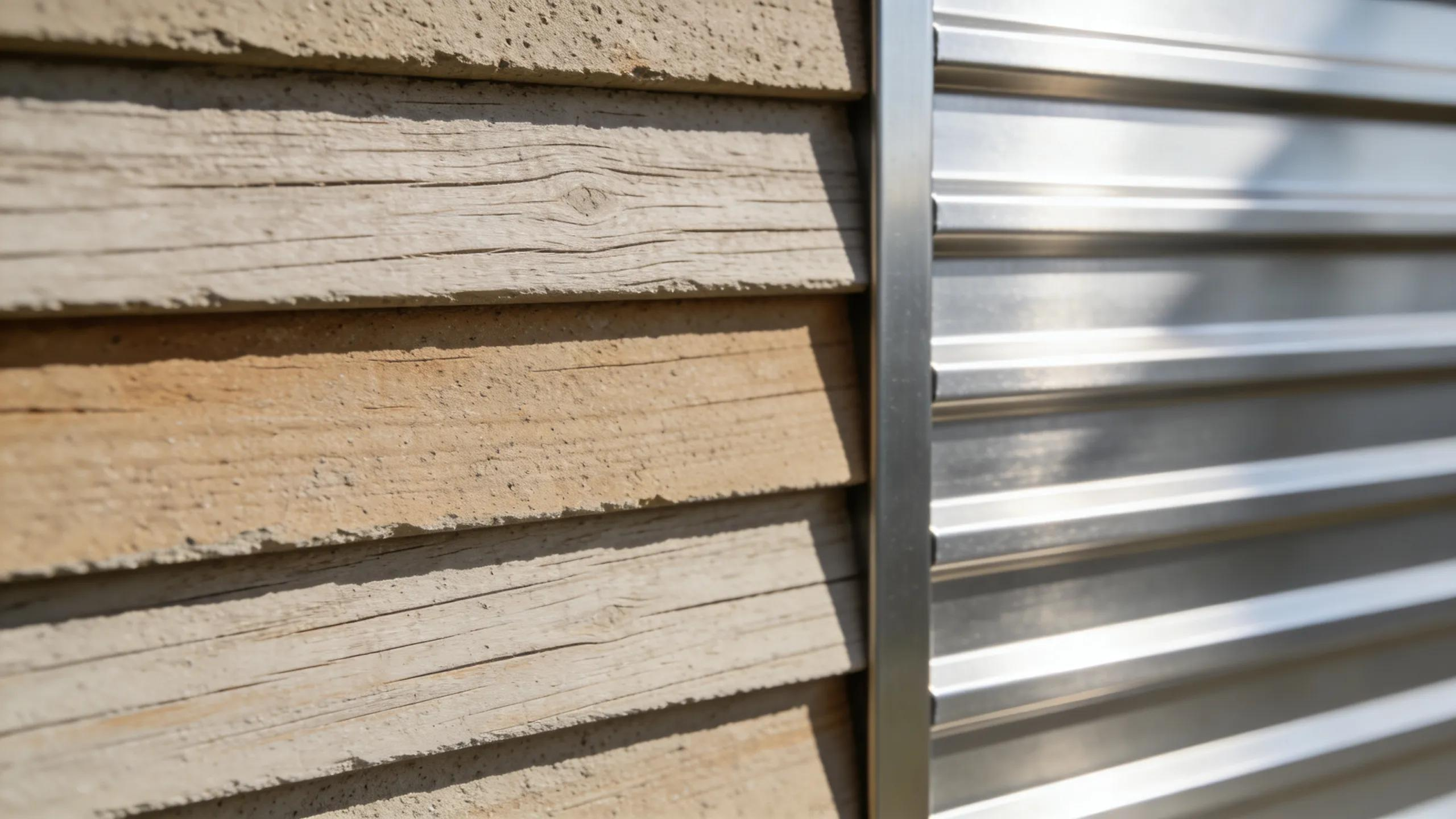
Fiber cement panels are highly durable and resistant to moisture, making them an excellent choice for humid environments. They withstand harsh weather conditions without warping or rotting and have a lifespan that can extend over 50 years with proper maintenance. Additionally, fiber cement is non-combustible, providing added safety to homes in fire-prone areas.
Aluminum siding offers a lightweight and low-maintenance option for homeowners. It provides excellent thermal insulation and is resistant to rust and corrosion, which is essential in a varying climate. Additionally, aluminum siding can reflect heat, contributing to energy savings by keeping homes cooler in summer while maintaining warmth during winter months.
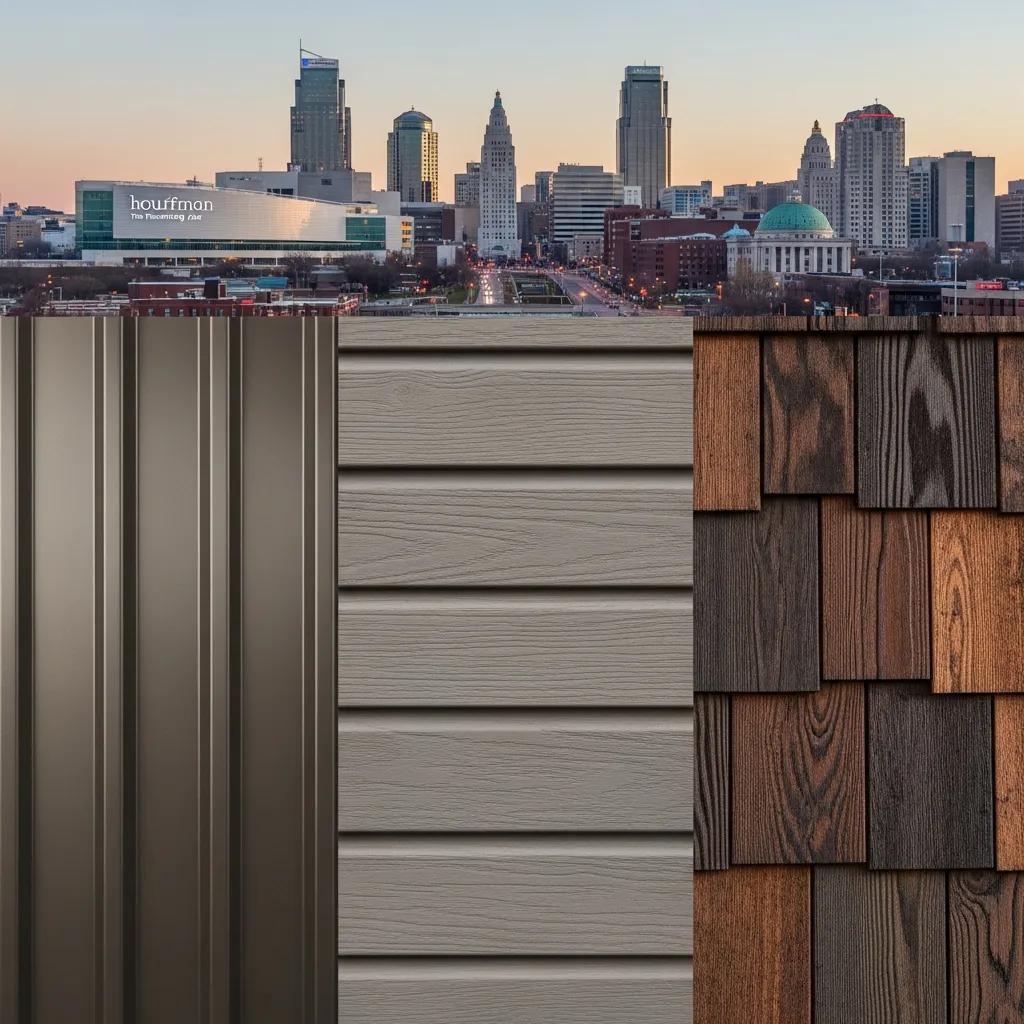
Undertaking the installation of modern siding panels involves both immediate costs and long-term maintenance considerations. Understanding these aspects can aid homeowners in making informed decisions regarding their investments.
Homeowners can maximize the lifespan of their rainscreen siding by implementing routine maintenance checks every six months. This includes inspecting for paint blisters, checking caulks and sealants, and identifying any areas that may require re-sealing. Keeping the siding clean and free of debris will also help maintain its protective qualities.
Don't compromise on your home's structural integrity or architectural potential. Contact Specialty Lumber Solutions today to explore premium, precision-milled siding panels and innovative hidden fastening systems engineered to elevate and protect your next exterior project.
3824 Fremont Ave, Kansas City, MO, 64129-1729, United States
+1 816 506 4131
© 2026 Specialty Lumber Solutions. All rights reserved