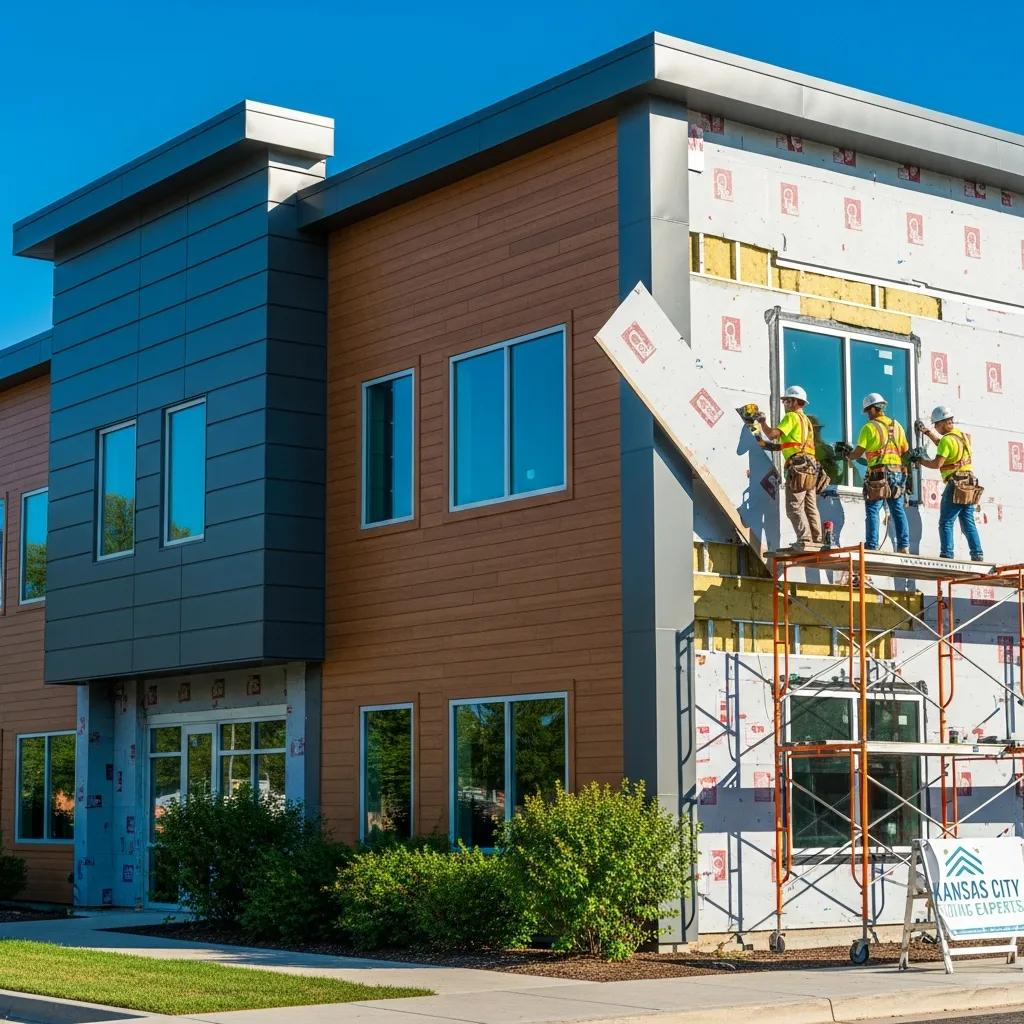
Comprehensive Guide to Residential Rainscreen Siding Installation and Performance Benefits

Premium Rain Screen Siding Solutions by Viking Clip & Specialty Lumber Solutions

Residential rainscreen siding is an innovative cladding system designed to enhance the durability and performance of building exteriors. This guide delves into the installation techniques, performance benefits, maintenance considerations, and design options associated with these systems.
 
Homeowners and builders often face challenges regarding moisture management and wall ventilation, which can lead to significant structural issues over time if left unaddressed. By understanding the principles of rainscreen siding, you can make informed decisions that improve the longevity and efficiency of your home. This article covers essential installation methods, the long-term benefits of rainscreen systems, and the various design options currently available in the market.
 

Installation Techniques

Installing residential rainscreen siding involves several critical techniques to ensure optimal performance and longevity. Proper execution is essential for maximizing the system's moisture management and ventilation capabilities.
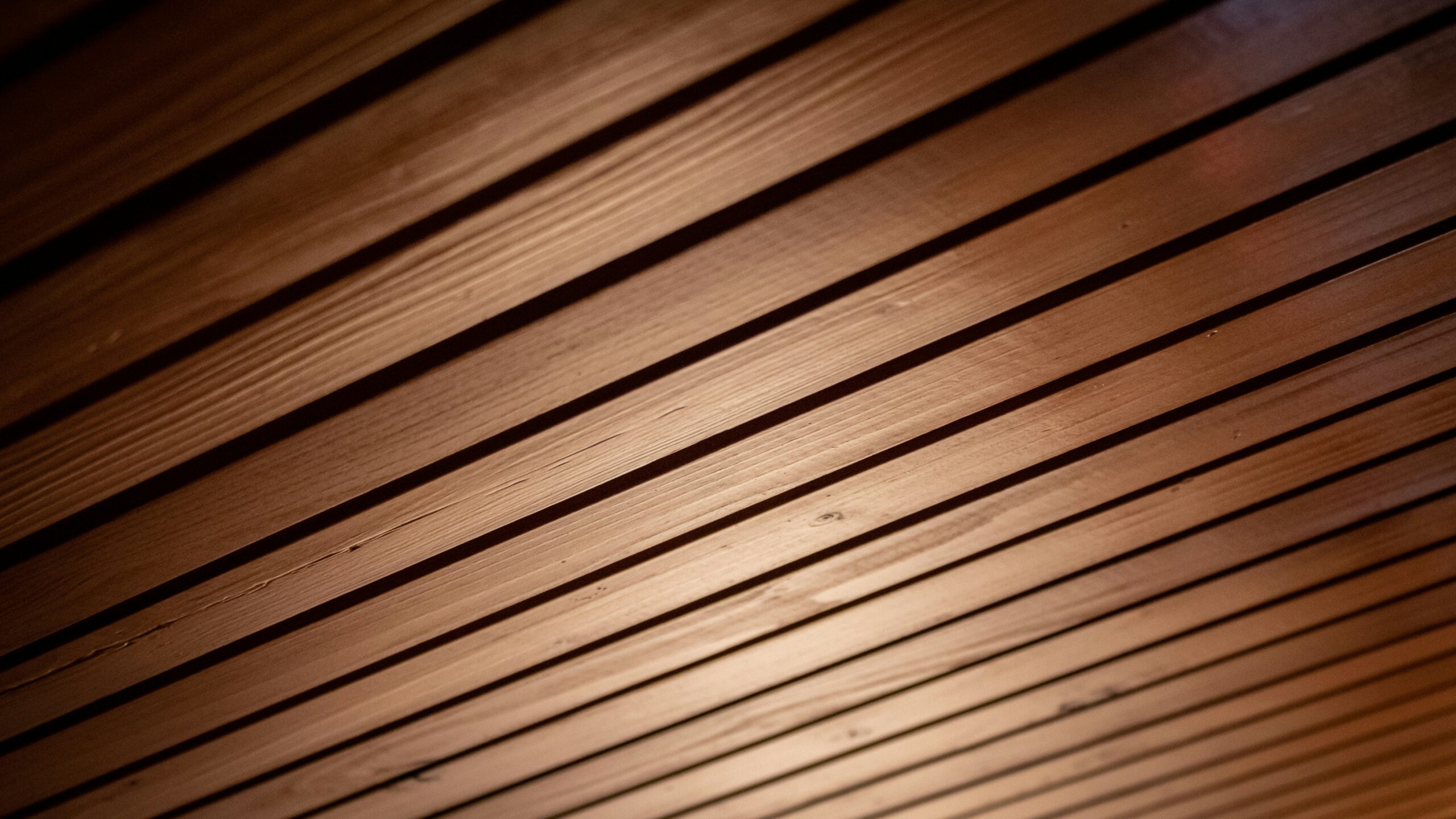
  1. Acclimation of Siding Boards: Before installation, acclimate the siding boards to local climate conditions. This process minimizes warping and ensures a precise fit.
  2. Preparation Steps: Thorough surface preparation is vital. Ensure the underlying structure is clean, dry, and free of debris that could compromise the installation.
  3. Assembly Techniques: Strictly follow manufacturer guidelines for assembly. This includes using specified fasteners and maintaining the correct spacing to facilitate consistent airflow and drainage.

Performance Benefits

Rainscreen siding systems offer numerous advantages that enhance the overall efficiency and durability of a building. Key performance benefits include superior moisture control, enhanced wall ventilation, and increased thermal efficiency.
Beyond these core functions, rainscreen cladding systems provide comprehensive protection for residential structures, ensuring long-term structural integrity and improved energy performance.
Residential Rainscreen Cladding
 
Performance, Moisture, Durability & Installation This paper presents a state-of-the-art review of rainscreen cladding performance in residential building walls, with a focus on their moisture management capabilities, integration with windows, and use of exterior insulation to enhance building durability and energy efficiency. Rainscreens effectively control moisture and protect buildings from the weather, but challenges exist, particularly in integrating windows without disrupting the wall system's thermal and moisture performance, cost of rainscreen walls, and maintenance need.
 
A Review of the State-of-the-Art of Rainscreen Cladding Performance in Residential Building Walls, H Palani, 2025
BenefitDescriptionImpact Level
Moisture ControlRainscreen systems create a barrier that prevents moisture from penetrating the building envelope.High
Ventilation BenefitsThe design allows for air circulation behind the siding, reducing the risk of mold and mildew.High
Thermal EfficiencyRainscreen siding can improve energy efficiency by providing an additional layer of insulation.Medium
Rainscreen siding systems offer numerous advantages that enhance the overall efficiency and durability of a building. Key performance benefits include superior moisture control, enhanced wall ventilation, and increased thermal efficiency.
Beyond these core functions, rainscreen cladding systems provide comprehensive protection for residential structures, ensuring long-term structural integrity and improved energy performance.

Maintenance Considerations

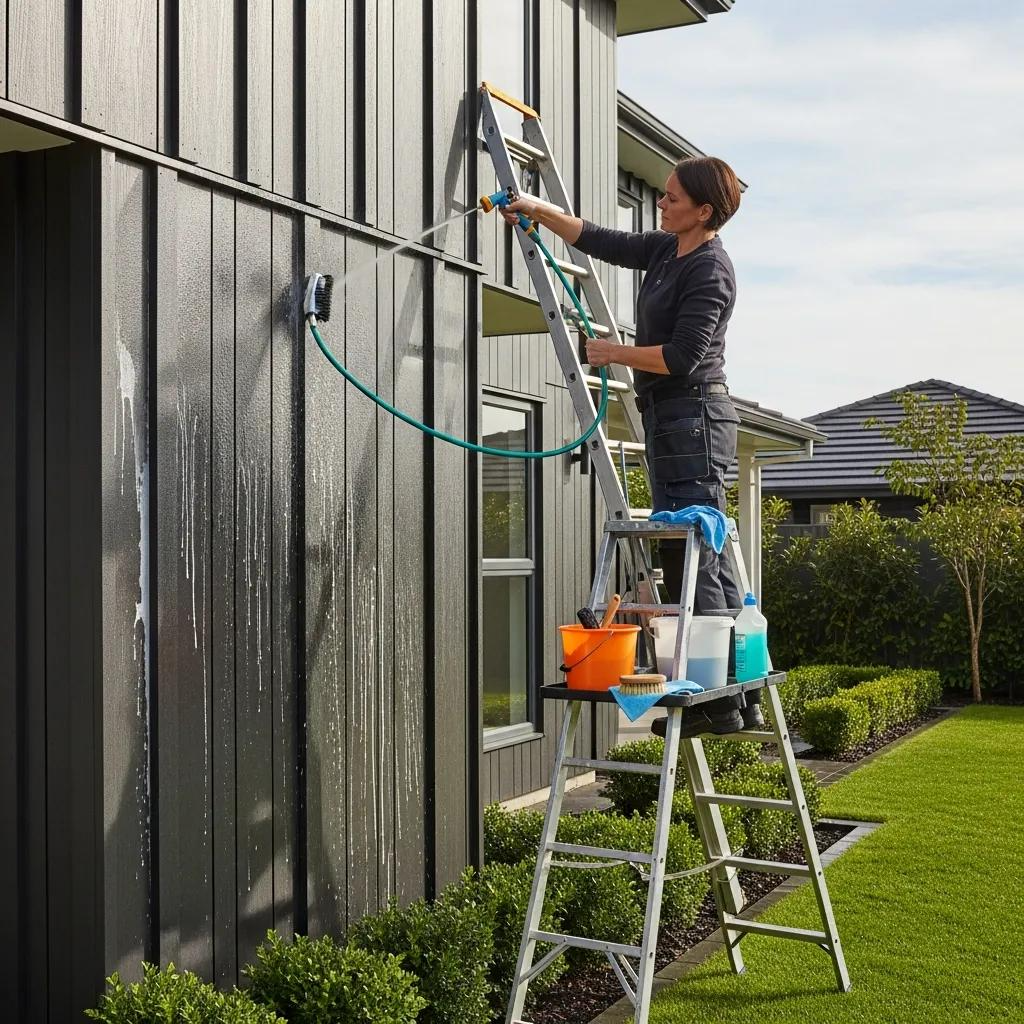
Properly maintaining residential rainscreen siding is essential for preserving its longevity and performance. A consistent maintenance routine prevents issues related to moisture accumulation and protects the home’s structural integrity.
  • Regular Inspections: Periodically inspect the siding for signs of damage, wear, or shifting. Early detection is key to preventing minor issues from becoming costly repairs.
  • Cleaning Procedures: Keep the siding clear of dirt and debris by washing it gently with water and a mild detergent. Avoid high-pressure power washing, which can force moisture into the ventilation cavity.
  • Sealing Recommendations: Depending on the material, periodic sealing may be necessary to maintain the siding’s protective barrier and prevent moisture infiltration.

Design Options

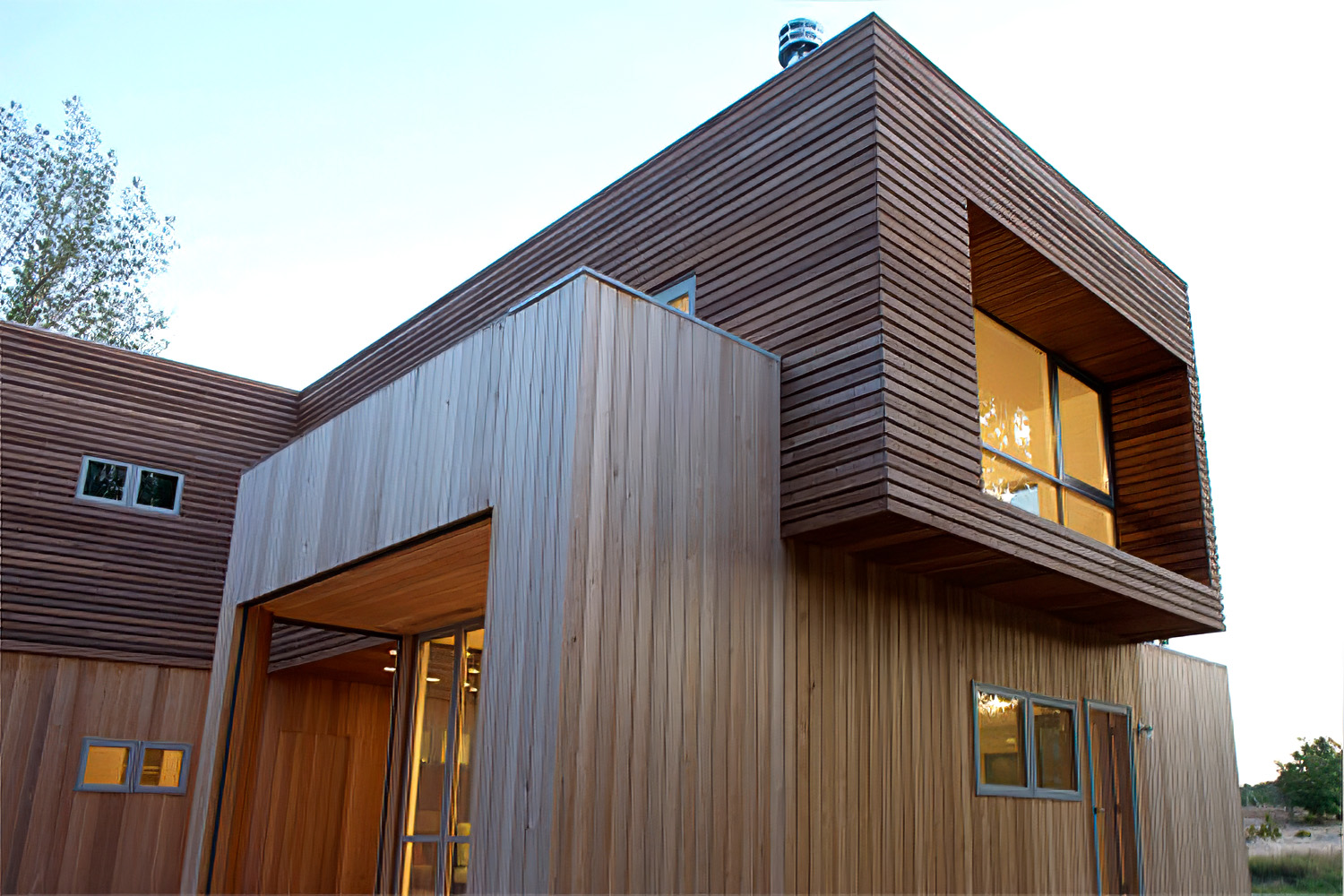
Residential rainscreen siding offers a wide range of design possibilities that enhance a home’s curb appeal while maintaining high functional standards. Homeowners can select from various materials, profiles, and colors to achieve a customized look that fits their specific vision.
Material Choices
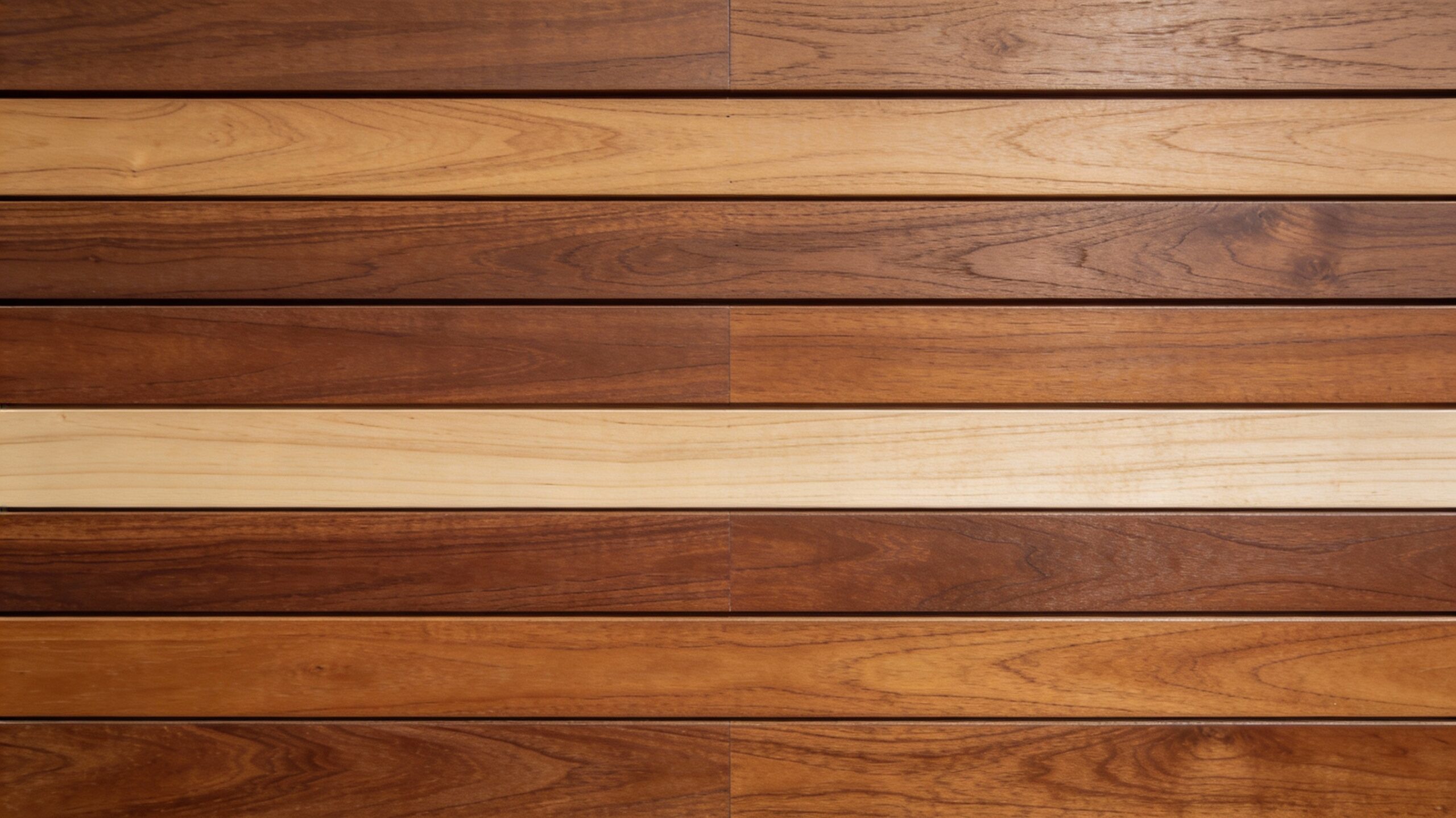
Options include wood, metal, and composite materials. Each offers unique advantages, balancing natural aesthetics with long-term durability and weather resistance.
Profile Types
A variety of profiles are available, from traditional horizontal laps to modern vertical panels, allowing for complete customization of the building’s texture and character.
Aesthetic Flexibility
Rainscreen systems are highly adaptable, designed to complement any architectural style from rustic to contemporary while providing a sophisticated, high-performance finish.
 

What Is Residential Rainscreen Siding and How Does It Improve Exterior Wall Ventilation?

Residential rainscreen siding is a specialized cladding system that creates a deliberate air gap between the siding material and the building's water-resistive barrier. This design is engineered to facilitate superior ventilation, which is the cornerstone of effective moisture management.
By encouraging continuous airflow through this cavity, the rainscreen system prevents moisture from becoming trapped against the exterior wall a common cause of mold, rot, and long-term structural decay. The core components of the system, including the air gap, drainage plane, and moisture barrier, work in tandem to shield the building envelope and ensure a drier, more resilient home.

What Are the Key Components of a Rainscreen Siding System?

A typical rainscreen siding system consists of several key components that work together to provide effective moisture management and ventilation.
Building Envelope
The outer layer that protects the structure from environmental elements.
Air Space Gap
The space between the siding and the wall that allows for airflow.
Furring Strips
Vertical strips that create the air gap and provide a framework for attaching the siding.

How Does the Viking Clip Rainscreen System Enhance Installation and Durability?

The Viking Clip system is engineered to simplify the installation process while significantly boosting the durability of the rainscreen assembly. As a hidden fastening system, it allows for the secure attachment of siding boards without the need for visible screws or nails, resulting in a sleek, uninterrupted aesthetic.
Beyond its visual appeal, the Viking Clip design ensures precise and consistent spacing between the siding and the wall. This uniform gap promotes superior ventilation and optimized moisture management, preventing the trapment of water that leads to decay. By reducing manual errors and maximizing airflow, the Viking Clip system contributes to the long-term structural integrity and overall longevity of the siding.

What Are the Technical Features of the Viking Clip System?

The Viking Clip system offers several advanced features that outperform traditional installation methods:
  • Corrosion-Resistant Materials
    Built from high-quality materials to withstand harsh weather and prevent fastener failure.
  • Streamlined Installation
    Designed for a simple, intuitive process that reduces labor time and ensures uniform alignment.
  • Engineered Performance
    Proven to maintain a consistent drainage plane, optimizing both moisture evaporation and wall ventilation.

How Does the Viking Clip Simplify Installation Compared to Traditional Methods?

The Viking Clip system streamlines the installation process by eliminating the need for visible fasteners. This hidden attachment method significantly reduces the time and labor required compared to traditional face-nailing.
Beyond the clean, hardware-free aesthetic, the system offers superior durability and long-term cost-effectiveness. By providing consistent spacing automatically, it removes the guesswork for builders, making it a faster and more reliable choice than conventional methods.

How Does the Viking Clip Simplify Installation Compared to Traditional Methods?

  • Metal Siding: Highly durable and fire-resistant, metal excels at shedding water and resisting extreme weather without warping.
  • Composite Siding: Engineered for high performance, composites offer the look of wood with superior resistance to rot, insects, and moisture expansion.
  • Vinyl Siding: A cost-effective, low-maintenance option that can be paired with insulated backings to improve a home’s thermal envelope.

How Do Different Siding Materials Affect Moisture Control and Ventilation?

Siding materials play a critical role in how a building breathes and sheds water. While wood offers a classic aesthetic, it is porous and requires consistent sealing to prevent rot. In contrast, metal and composite materials are naturally hydrophobic, providing superior resistance to moisture penetration and extreme weather.
The material's weight and expansion rate also affect how the air gap performs. Selecting a material that maintains its shape ensures the ventilation cavity remains unobstructed, allowing for consistent airflow and rapid evaporation regardless of the climate.

What Are the Energy Efficiency Ratings and Building Code Compliance for These Materials?

Energy efficiency ratings for rainscreen materials depend on their thermal resistance and their ability to minimize thermal bridging. To ensure peak performance, homeowners should prioritize materials with high R-values or those compatible with exterior insulation.
Compliance with local building codes is mandatory to meet safety and moisture management standards. Always verify that materials are certified by recognized bodies (such as ASTM or ICC) and meet the specific energy efficiency requirements of your local climate zone.

What Are the Maintenance Requirements and Long-Term Benefits of Rainscreen Siding?

Consistent care is vital to preserving the functionality of a rainscreen system. Key maintenance tasks include:
  • Regular Inspections: Conduct bi-annual checks to identify shifting boards, blocked ventilation gaps, or compromised flashing before they lead to structural issues.
  • Routine Cleaning: Remove organic debris and dirt that can clog the drainage plane or trap moisture against the siding.
  • Periodic Sealing: For wood-based systems, maintain a high-quality sealant to prevent fiber saturation and ensure continued moisture resistance.
The long-term benefits of this upkeep include an extended exterior lifespan, sustained energy efficiency, and the prevention of expensive structural repairs caused by rot or mold.

How Does Proper Maintenance Extend the Lifespan of Rainscreen Siding?

Diligent maintenance is the most effective way to protect your investment. By conducting regular inspections, you can catch minor issues such as loose fasteners or hairline cracks before they escalate into expensive structural failures.
Maintaining the integrity of the water-resistive barrier and ensuring the ventilation cavity remains unobstructed are the two most critical factors in preventing rot. When airflow is preserved, the system can successfully cycle out moisture, keeping the building envelope dry and significantly extending the service life of the siding materials.

Which Kansas City Building Regulations Impact Commercial Siding Installation?

Field data and project case studies consistently validate the Viking Clip system’s performance in diverse climates. These real-world applications demonstrate the system's superior ability to maintain a consistent 3/8" (10mm) rainscreen gap, which is essential for long-term moisture management and structural durability.

Installation Velocity: Professionals report significantly reduced labor hours due to the clip’s self-spacing design and hidden fastener alignment.
 
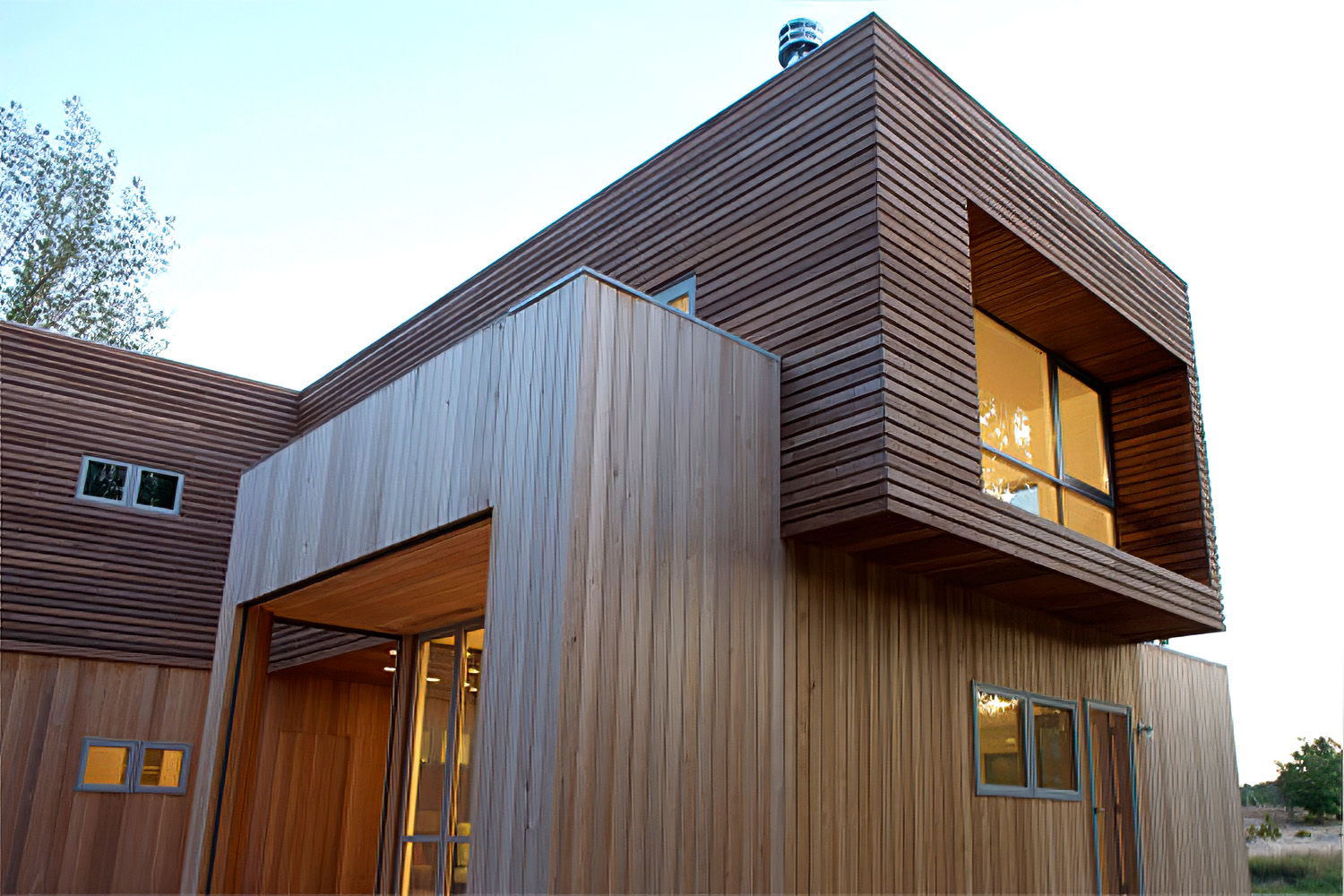
Architectural Integrity: The absence of visible nail heads provides a premium, "furniture-grade" finish that remains stable over time, even as siding boards naturally expand and contract.

Which Kansas City Building Regulations Impact Commercial Siding Installation?

Investing in a residential rainscreen system is one of the most effective ways to protect a home from moisture-related damage while boosting its energy efficiency. By combining high-performance materials with advanced installation technology like the Viking Clip system, homeowners and builders can ensure a beautiful, "fastener-free" aesthetic without compromising on structural integrity.
 
Whether you are prioritizing low maintenance, modern design, or long-term durability, the rainscreen principle provides a proven framework for a healthier, more resilient building envelope. Proper material selection and consistent maintenance will ensure your home remains protected and efficient for decades to come.