
The Viking Clip hidden fastener supports the outer wall in a double-walled system. This system creates a ventilated airspace between the framed inner wall and the finish rain screen wall. Proper overall design and construction techniques for this system are the builder’s responsibility. In particular, the rain screen requires the following:
The rain screen requires following -
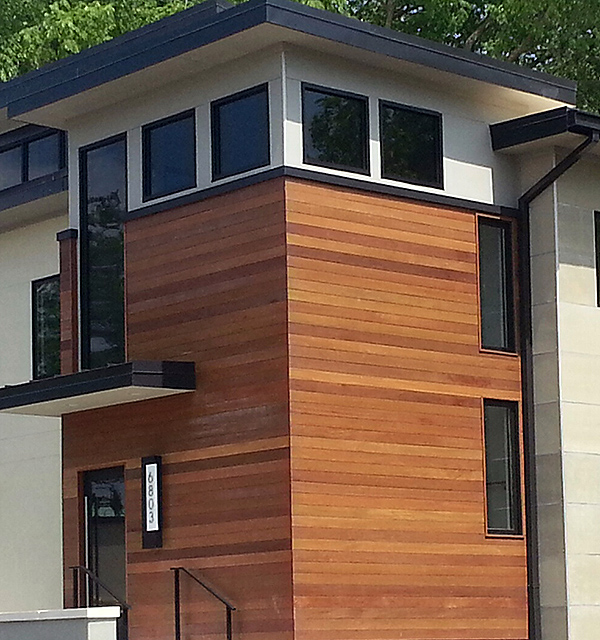
Prior to installation, the moisture content of the rain screen siding boards should acclimate to the relative humidity levels of the local environment. Once this occurs, The Viking Clip rain screen system allows for normal expansion and contraction of the siding. Failure to provide adequate time for this acclimation process may result in seasonal variations to the material exceeding the design tolerances of the rain screen system.
Prior to installation, the moisture content of the rain screen siding boards should acclimate to the relative humidity levels of the local environment. Once this occurs, The Viking Clip rain screen system allows for normal expansion and contraction of the siding. Failure to provide adequate time for this acclimation process may result in seasonal variations to the material exceeding the design tolerances of the rain screen system.
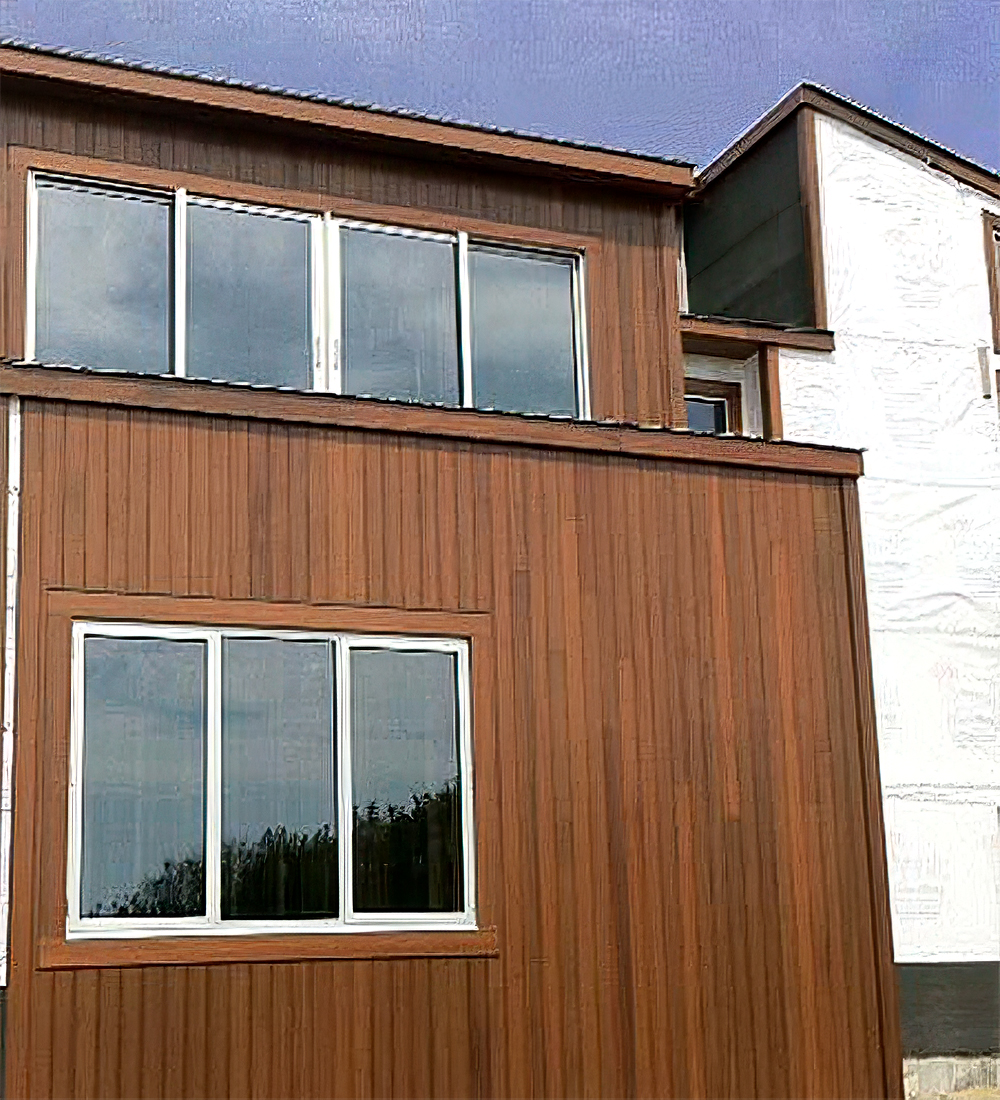
For best results, un-band and stack individual members with enough spacing to allow clear air flow about all four sides of each plank. This takes a little time, and it’s worth the effort. In a matter of days, your siding will be ready to yield optimal results.
The siding bundles should be loosely covered with a water-resistant tarp to prevent exposure to rain and direct sunlight, never restricting free air flow to the top and sides of the bundle.
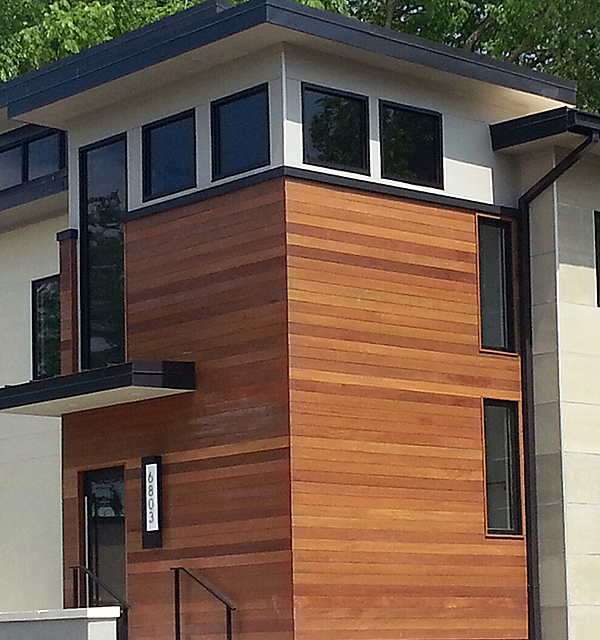
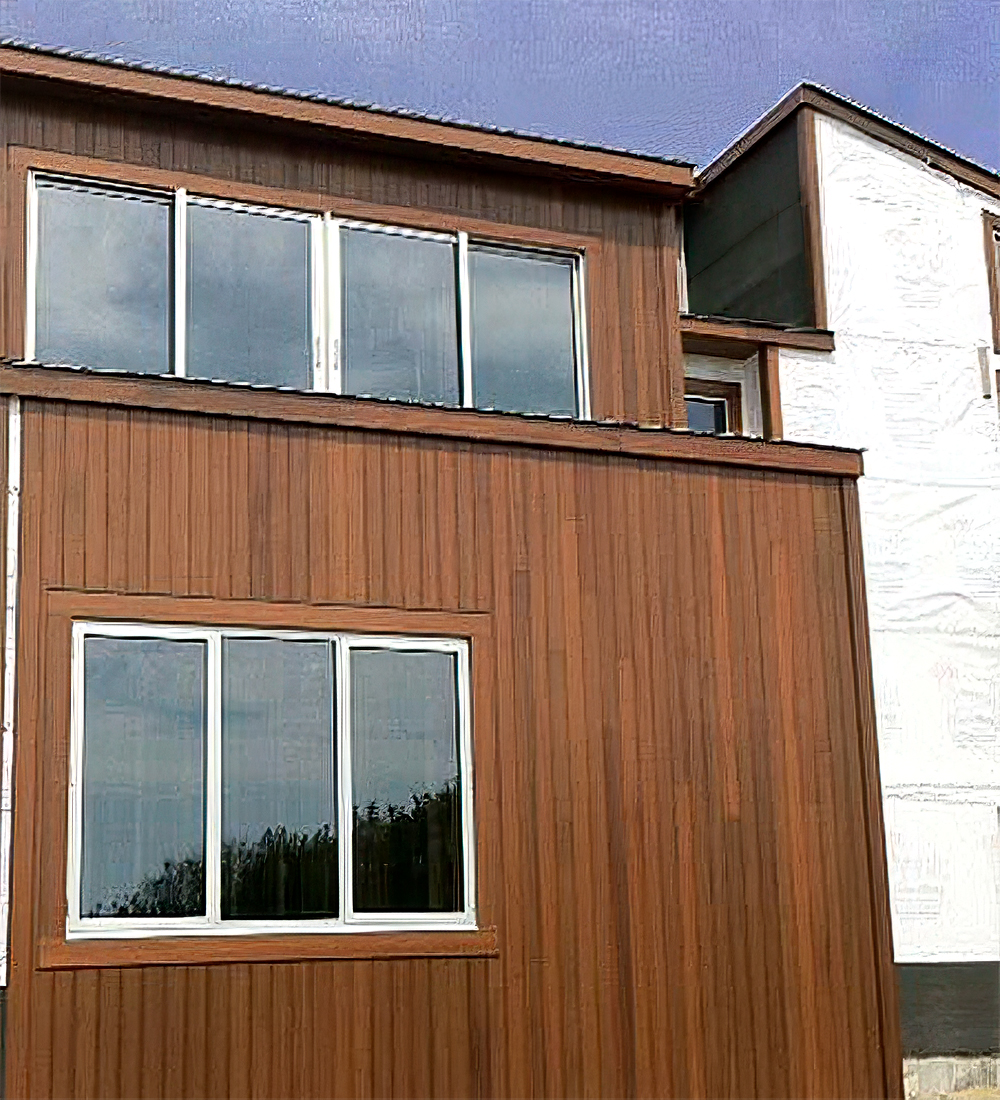
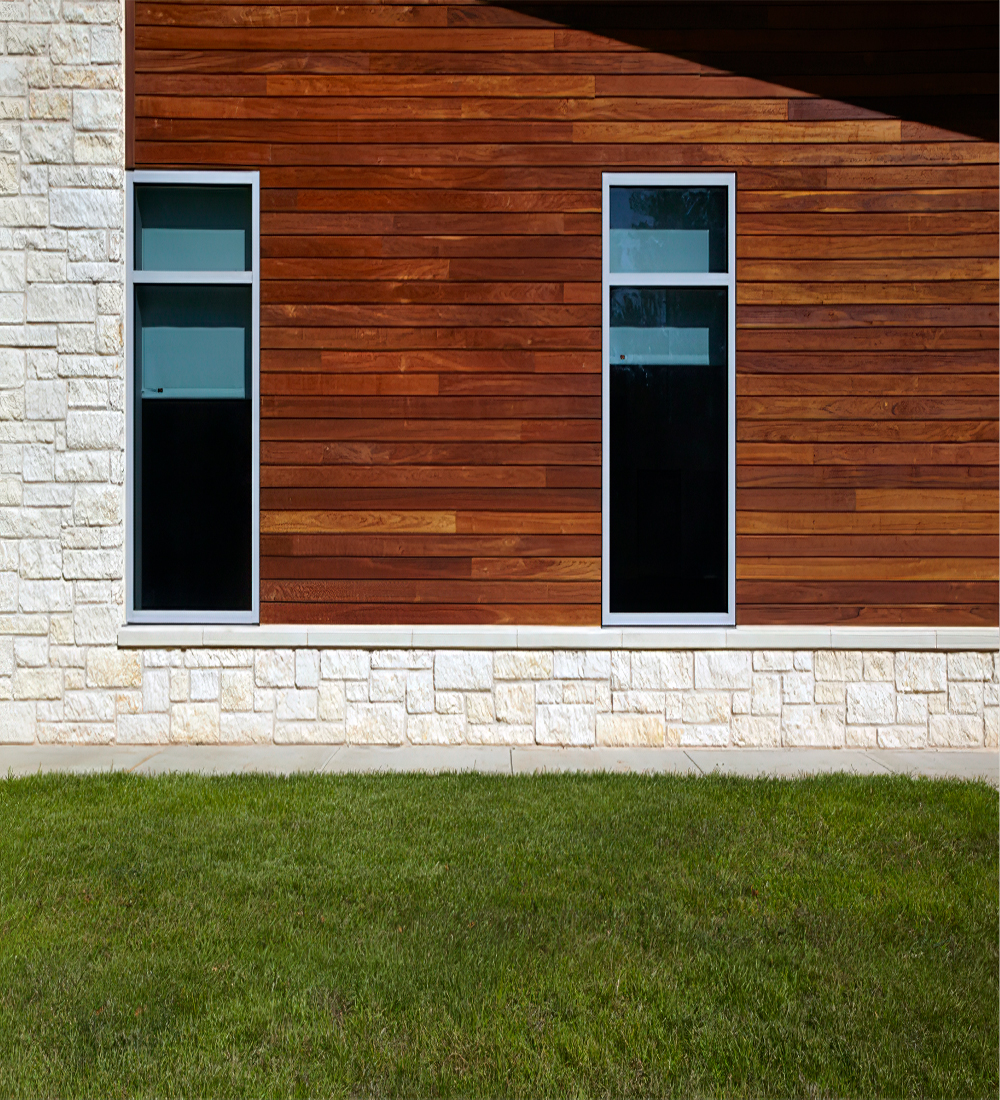
Inspect the siding for evidence of discoloration and consider applying a wood brightener such as Defy or Citralic Wood Brightener to restore the original color. Careful power washing or sanding is often effective in removal of the graying. Brush and clean the board surfaces, then apply a semi-transparent sealer with UV inhibitors to all four sides of each board. To avoid tacking and sagging of the sealer, apply in successive thin coats.
Some boards will require cuts to finish off a course, meet windows or door, or to avoid bows. The topmost level, where the siding meets the lower margin of the roof, needs at least a ¾” ventilation gap between the top of the final siding course and the eave. This same gap is needed beneath the window openings. For end cuts, apply a wax-based sealer to reduce the likelihood of cracks and checks. Top course boards require pre-drilling and face screws at the top of the board.
Before beginning the installation of the Viking Clip rain screen, ensure that all windows and doors, including trim, flashing and counter flashing is in accordance with the manufacturer’s instructions and in compliance with local building codes. To allow for potential expansion of the siding boards, a 1/8” gap should be present between board ends and adjacent window and door borders, as well as any other abutment sites.
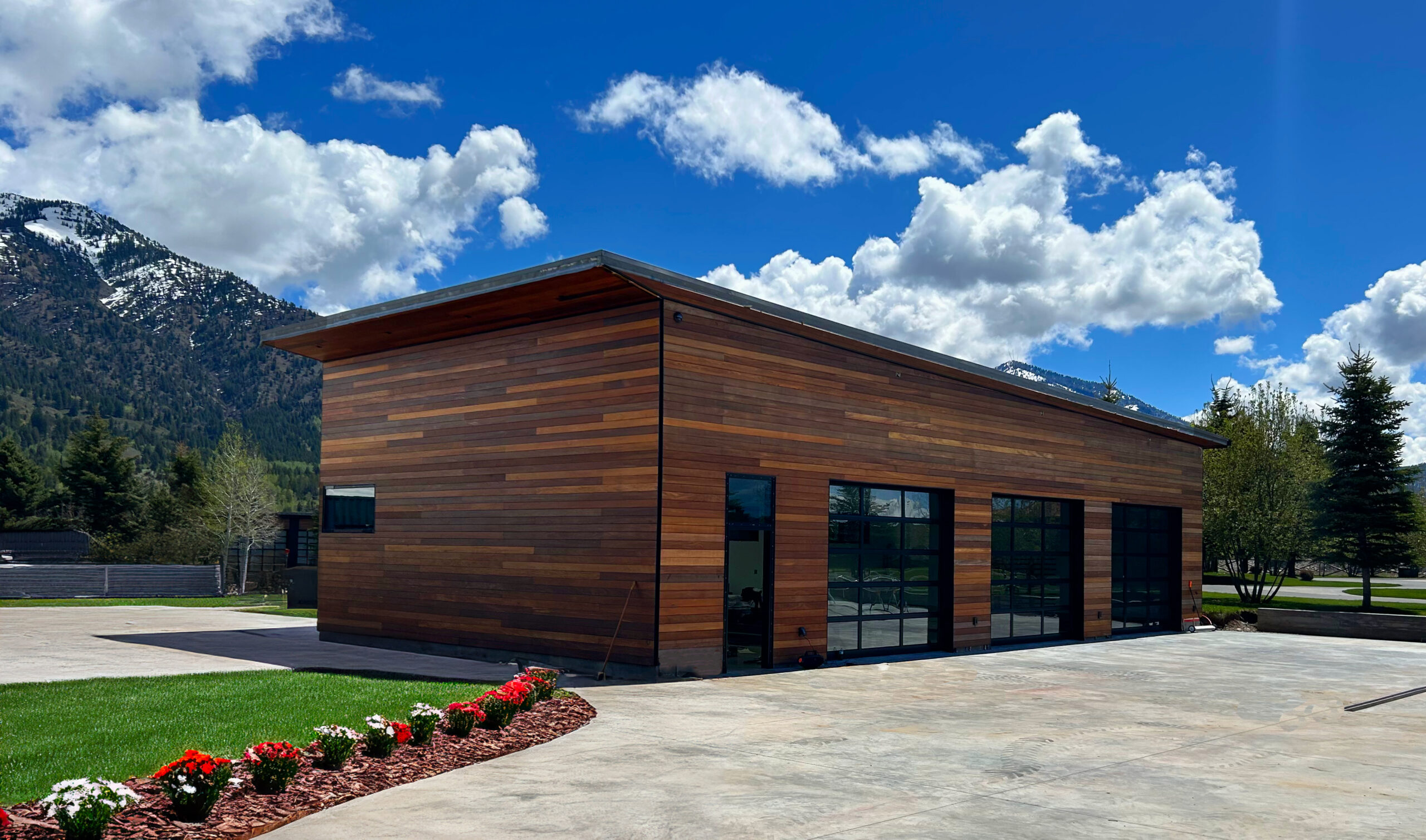
For best results, un-band and stack individual members with enough spacing to allow clear air flow about all four sides of each plank. This takes a little time, and it’s worth the effort. In a matter of days, your siding will be ready to yield optimal results. The siding bundles should be loosely covered with a water-resistant tarp to prevent exposure to rain and direct sunlight, never restricting free air flow to the top and sides of the bundle.
Before beginning the installation of the Viking Clip rain screen, ensure that all windows and doors, including trim, flashing and counter flashing is in accordance with the manufacturer’s instructions and in compliance with local building codes. To allow for potential expansion of the siding boards, a 1/8” gap should be present between board ends and adjacent window and door borders, as well as any other abutment sites.
Insert the first siding board into the previously attached Viking Clips and place additional boards lengthwise along the level line until reaching the end of the course. Cut to complete the starter row, so that an 1/8″ gap is present between the siding and the window/door abutments.
Repeat this process, checking alignment and level on each row until the finish course. Again, allow at least a ¾” ventilation gap. (Gaps are also necessary beneath all window openings.) Install flashing and counter flashing where side wall meets roof in accordance with the roofing manufacturer’s instructions. We recommend installing insect screens at these and any other ventilation gaps.
With this technique, the only exposed fasteners exist on the top course, if clips may be implemented for a full piece at the bottom. It’s a good idea to check layout due to variance in material width and wall height. Exposed fasteners may also be countersunk and plugged if desired.
3824 Fremont Ave, Kansas City, MO, 64129-1729, United States
+1 816 506 4131
© 2026 Specialty Lumber Solutions. All rights reserved