
By Samuel Fisher, Rainscreensiding
Exterior cladding systems for Kansas City homes face significant seasonal demands, from humid summer weather to winter freeze-thaw cycles. Managing moisture, wall drainage, and continuous ventilation is essential when planning an exterior wall assembly that stands up to these regional conditions.
Operating directly out of Kansas City, Rain Screen Siding supplies the Viking Clip and VC2 hidden-fastener systems for compatible exterior siding applications. These assemblies are designed to create a dedicated cavity between the cladding and the wall substrate, supporting vital gravity drainage and continuous convective airflow behind the boards to help protect the building envelope.
Rain Screen Siding supplies the Viking Clip and VC2 rainscreen siding systems directly from its Kansas City, Missouri facility, offering dedicated product guidance and transparent pricing assistance.
Hidden-fastener assemblies secure compatible wood cladding from the board edges, creating a clean facade free of visible screw heads or face penetrations.
Rainscreen systems maintain a dedicated cavity behind the cladding, supporting gravity drainage for wind-driven moisture and convective airflow for back-wall drying.
Homeowners, general contractors, commercial builders, lumberyards, and design professionals can collaborate directly with the local team to confirm siding compatibility, review layout planning, and coordinate project orders.
Kansas City homes and commercial buildings endure sharp seasonal climate swings, shifting from hot, humid summers to freezing winter temperatures marked by frequent freeze-thaw cycles. These environmental conditions place continuous moisture stress on building exteriors, making moisture management, drainage, and ventilation vital considerations when selecting and planning exterior cladding.
Rather than treating siding as a standalone decorative barrier, high-performance exterior wall design evaluates the facade as an integrated system. To perform reliably over time, the complete assembly must coordinate several essential layers:
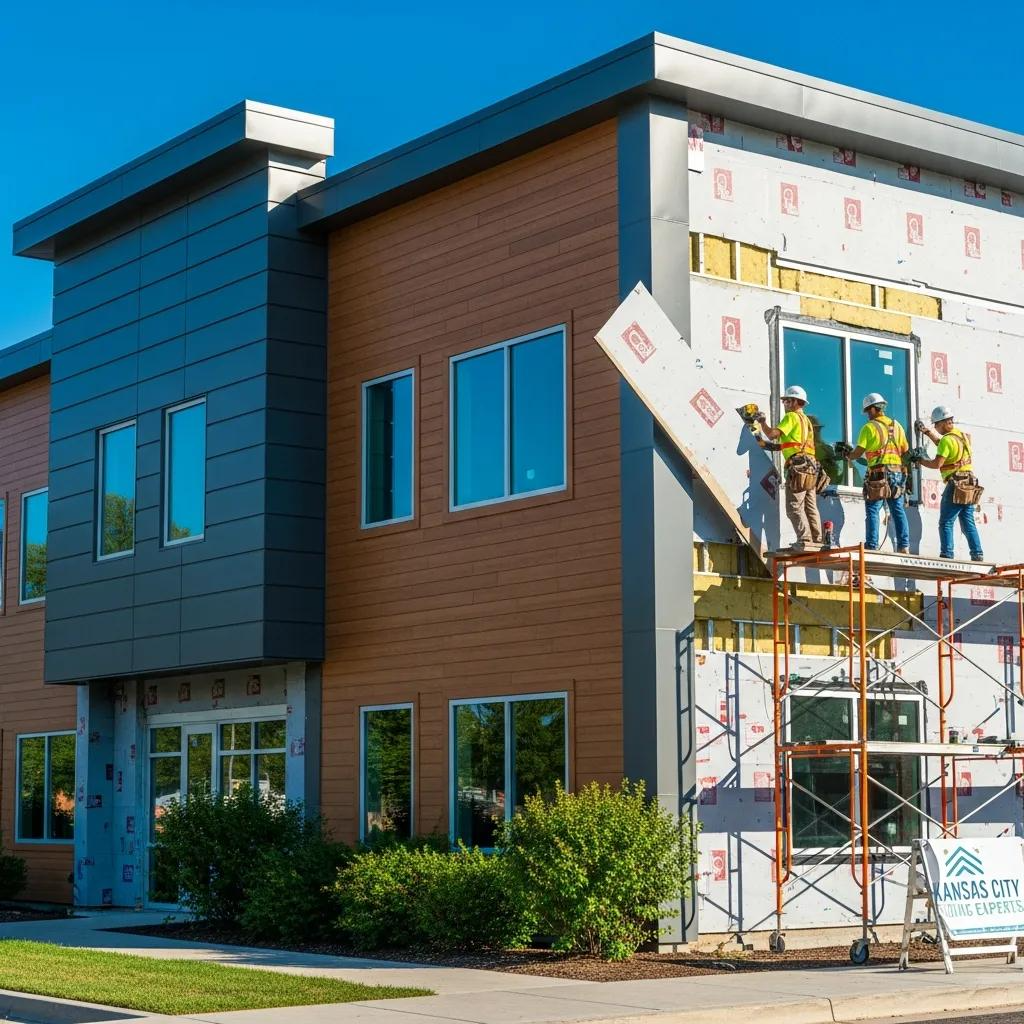
By separating the outer cladding from the inner structural wall, a back-ventilated rainscreen assembly provides a dual-action defense. Wind-driven rain that bypasses the siding drains harmlessly down the cavity, while convective airflow continuously circulates behind the boards to evaporate trapped moisture and prevent condensation buildup.
Building code mandates vary significantly by municipality, zoning jurisdiction, and specific building occupancy type. While model building codes such as the International Residential Code (IRC) and International Building Code (IBC) increasingly emphasize continuous drainage planes and moisture management in exterior envelopes, local jurisdictions across the greater Kansas City metropolitan area adopt and amend these standards independently.
Whether a dedicated rainscreen cavity is formally mandated or considered a performance best practice depends on several variables:
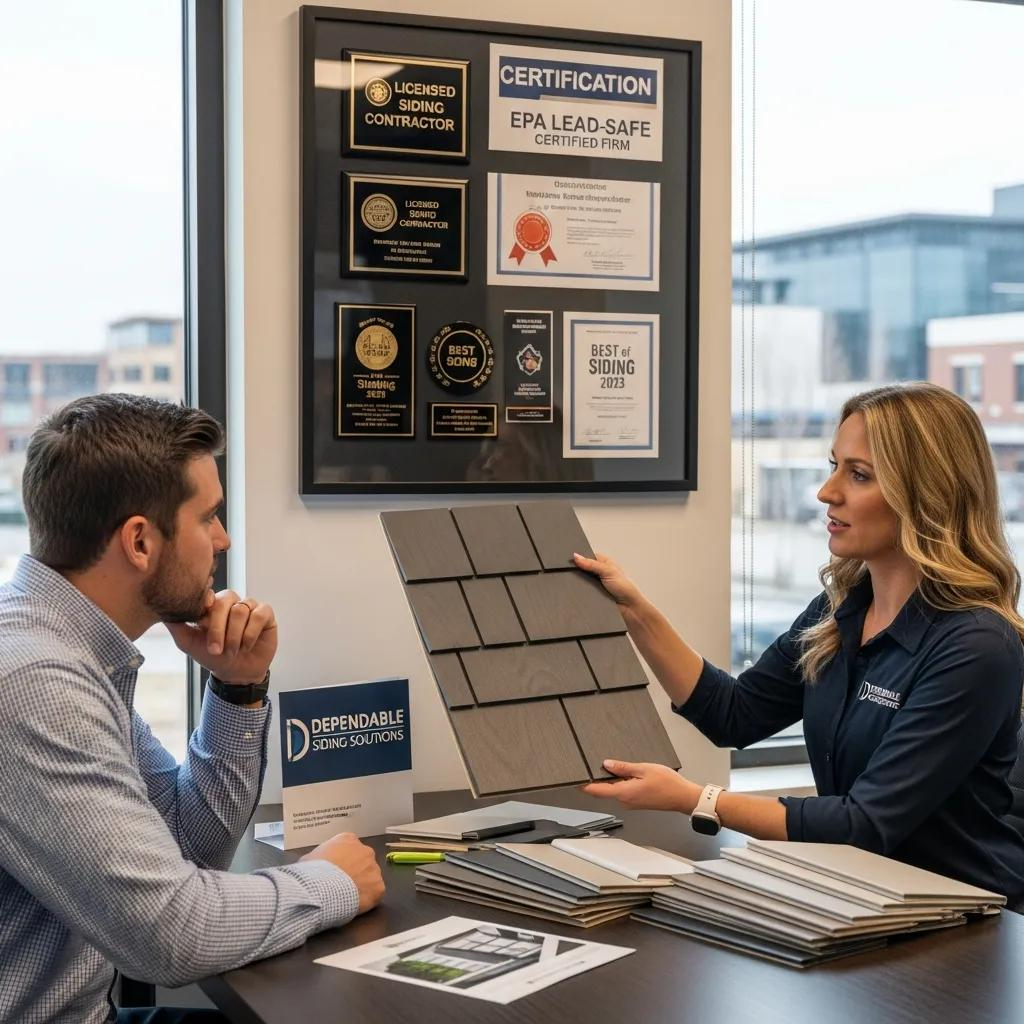
Before ordering materials or starting exterior framing, builders, architects, and homeowners should confirm applicable municipal code requirements for their specific Kansas City project site. The team at Rain Screen Siding can assist by reviewing manufacturer installation guidelines and technical considerations for both Viking Clip and VC2 hidden-fastener assemblies.
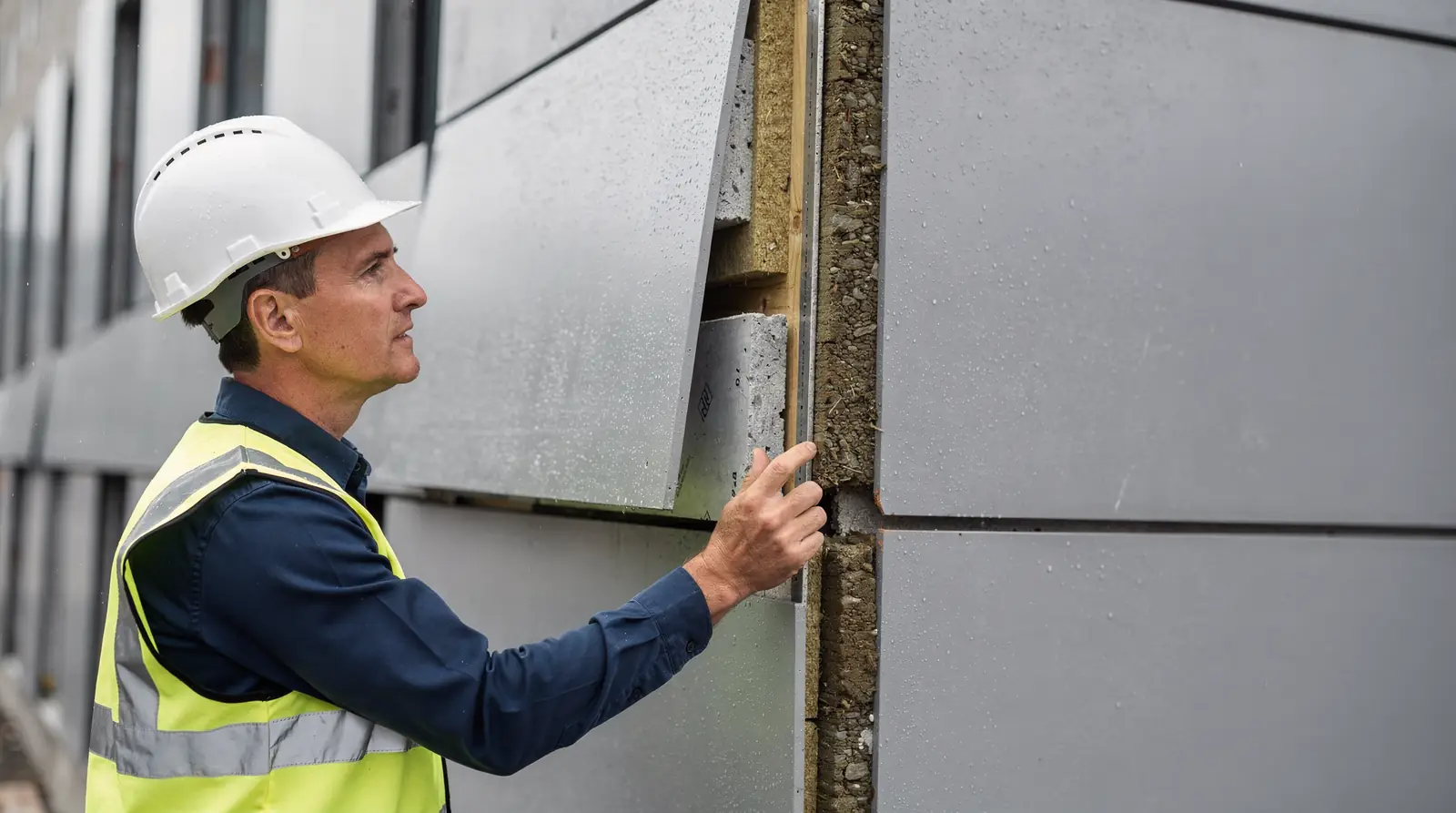
The 2021 International Energy Conservation Code (IECC) places greater emphasis on continuous exterior insulation (ci) and whole-assembly thermal efficiency to eliminate thermal bridging across framing members. In climate zones encompassing the Kansas City area (Climate Zone 4), meeting these updated thermal guidelines frequently requires pairing cavity insulation with exterior continuous insulation or utilizing advanced exterior insulation layers.
These energy provisions directly shape how exterior cladding must be planned and detailed:
Cladding can no longer be treated in isolation. Siding materials and attachment hardware must coordinate with the thickness of the exterior insulation layer, the placement of the weather-resistive barrier (WRB), and transition flashing details.
Adding exterior insulation shifts the temperature profile of the wall assembly. Incorporating a dedicated rainscreen cavity behind the siding using assemblies like the Viking Clip (over furring strips) or the VC2 system ensures that bulk water drains freely and moisture does not stay trapped against insulation facers or the drainage plane.
Fastener lengths, furring attachments, and clip mechanics must be planned to transfer the dead load of the siding back into the building’s structural framing without compromising the insulation layer or the drainage gap.
Because energy code adoption, municipal amendments, and compliance paths (prescriptive vs. performance-based) vary by local jurisdiction across the Kansas City region, project teams should verify applicable code requirements with their local building official or design professional prior to installation.
A high-performance rainscreen assembly pairs exterior cladding with a dedicated drainage and ventilation cavity positioned between the siding and the structural wall. This open airspace functions as an active moisture management plane: bulk water and wind-driven precipitation that penetrate siding joints flow down the cavity to exit through bottom weep details, while natural convective airflow circulates upward to dry residual moisture and condensation across the back of the cladding.
The Viking Clip and VC2 hidden-fastener systems are built specifically to support this configuration:
Instead of driving fasteners through the face of the siding which exposes screw heads and creates potential pathways for moisture ingress the clips anchor securely into pre-grooved board edges. This mechanical connection leaves a clean, uninterrupted facade.
Utilizing marine-grade aluminum clips and stainless steel screws, the system provides durable attachment capable of handling long-term exterior exposure and seasonal weather shifts.
Hardwood claddings expand and contract as regional humidity fluctuates. The edge-engagement mechanism holds boards securely in alignment while allowing natural dimensional changes without splitting or buckling the siding.
Whether utilizing the original Viking Clip fastened over structural furring strips or the direct VC2 configuration, the hardware maintains a uniform gap behind the siding to support continuous airflow and drainage across the entire wall.
Overall performance depends on the entire assembly. Contractors, architects, and installers should evaluate siding profile dimensions, flashing transitions, substrate conditions, and local code guidelines to ensure proper system performance on site.
Kansas City experiences distinct seasonal weather extremes ranging from intense summer humidity and heavy convective thunderstorms to winter freezing and frequent freeze-thaw cycles. These shifts exert constant moisture pressure on exterior wall assemblies. Without a dedicated cavity, bulk water that bypasses cladding joints can become trapped directly against the weather-resistive barrier and structural sheathing, leading to moisture saturation, rot, or mold over time.
Incorporating a dedicated ventilation and drainage gap resolves these risks through two simultaneous mechanisms:
The open space creates an unobstructed drainage plane, allowing wind-driven rain or incidental moisture to drain freely downward and exit through bottom weep details before it can penetrate deeper into the wall assembly.
Natural pressure differentials and convective airflow move through the cavity, ventilating the back face of the siding and the surface of the barrier. This ongoing air movement rapidly evaporates condensation and helps stabilize the moisture content of the wood cladding.
The Viking Clip and VC2 systems are purpose-built to maintain this functional cavity while delivering a completely concealed attachment for compatible siding profiles.
Operating from its local Kansas City facility at 3824 Fremont Ave., Kansas City, MO 64129-1729, Rain Screen Siding provides direct product guidance, layout coordination, and pricing assistance for regional project teams. Because assembly details vary by building design and siding species, all systems should be planned and installed according to manufacturer guidelines, structural framing layouts, and local building code standards.

Choosing the right cladding source requires direct access to proven hardware, reliable project guidance, and local accountability. Operating directly from its Kansas City facility at 3824 Fremont Ave., Kansas City, MO 64129-1729, Rain Screen Siding provides dedicated product support and transparent pricing assistance for regional homeowners, general contractors, commercial installers, lumberyards, and architectural design firms.
Several structural and service aspects set the company’s approach apart:
Rather than supplying generic exterior materials, Rain Screen Siding focuses specifically on back-ventilated rainscreen assemblies. The product lineup centers on the Viking Clip and VC2 hidden-fastener systems, providing edge-attachment hardware that eliminates exposed face screws, plugs, and surface penetrations across the facade.
The systems utilize corrosion-resistant marine-grade aluminum clips paired with stainless steel screws. This hardware combination resists exterior exposure, seasonal temperature swings, and natural wood tannins while securing compatible cladding profiles.
The Kansas City team consults directly with project specifiers to ensure compatibility between siding profiles (such as dense hardwoods like Ipe and other compatible woods) and the clip mechanics. Teams receive direct guidance on cavity ventilation requirements, furring layouts, and drainage detailing suited to local moisture exposure.
Project teams deal directly with regional specialists rather than third-party brokers. Local consultations and material estimates are available Monday through Friday, 8:00 AM to 3:00 PM (closed Saturday and Sunday).
For projects where clean architectural lines, gravity drainage, and continuous convective drying are design priorities, the Viking Clip and VC2 systems deliver an integrated, performance-driven solution.
Most building material distributors and supply yards in the Kansas City region operate as broad generalists, stocking high-volume assortments of vinyl siding, fiber cement panels, masonry veneers, and standard face screws. In contrast, Rain Screen Siding focuses specifically on high-performance rainscreen assemblies and concealed fastening technology.
Rather than navigating a sprawling catalog of unrelated building products, clients work directly with a team that concentrates on ventilated rainscreen mechanics. The product offering centers on the Viking Clip and VC2 systems hardware engineered specifically for back-ventilated cladding configurations.
The Viking Clip and VC2 systems are manufactured in Kansas City, Missouri, using marine-grade aluminum and stainless steel screws. This provides durable holding power that withstands the region's seasonal freeze-thaw cycles and severe humidity swings without relying on exposed face penetrations.
The company accommodates distinct framing needs by providing both the traditional Viking Clip (installed over structural furring strips) and the VC2 system (a no-batten configuration that creates ventilation without requiring wood furring strips).
General contractors, architects, lumberyards, and homeowners can consult directly with specialists to review siding profile compatibility (such as domestic and tropical hardwoods like Ipe) and verify layout details before ordering.
Operating out of 3824 Fremont Ave., Kansas City, MO 64129-1729, Rain Screen Siding provides local inventory, straightforward quotes, and reliable project support. Project consultations are available by calling 816-506-4131, Monday through Friday from 8:00 AM to 3:00 PM (closed Saturday and Sunday).
Selecting a rainscreen supplier requires evaluating more than just material price sheets. Because a rainscreen operates as a moisture-control system rather than a purely cosmetic surface, builders must ensure their supplier delivers verified hardware compatibility, clear technical parameters, and direct regional accountability.
When vetting a rainscreen hardware supplier, commercial builders and residential contractors should prioritize the following criteria:
The fastening hardware must match the dimensional stability, thickness, and groove profile of the chosen cladding. Dense hardwoods such as Ipe and other compatible exterior woods require clips that secure boards along their edges without splitting the wood or preventing natural movement.
Fastening components sit inside an active drainage cavity exposed to exterior moisture and condensation. Suppliers should provide hardware manufactured from corrosion-resistant materials, such as marine-grade aluminum and stainless steel screws, capable of enduring long-term weather exposure without degrading.
A qualified supplier understands how their hardware integrates with the complete wall envelope including the weather-resistive barrier (WRB), transition flashing, continuous insulation (ci), and top/bottom ventilation screens.
Different projects require distinct wall profiles. An experienced supplier should offer options that match project framing constraints, whether utilizing the traditional Viking Clip (fastened over vertical structural furring) or the direct VC2 system (designed for no-batten installations).
Builders benefit from direct, accessible technical support to review material takeoffs, confirm board tolerances, and verify layout spacing before delivery.
For projects throughout the Kansas City region, Rain Screen Siding works directly with contractors, general builders, and lumberyards to review installation parameters, verify siding profile compatibility, and supply complete Viking Clip and VC2 hardware packages.
Selecting an exterior cladding system for Kansas City homes requires coordinating several critical envelope components: moisture management, continuous drainage, back ventilation, material compatibility, and overall wall assembly detailing. Back-ventilated rainscreen assemblies uncouple the siding from the substrate, establishing an active cavity that facilitates vertical gravity drainage for wind-driven moisture and convective airflow for back-wall drying.
The Viking Clip and VC2 hidden-fastener systems provide a concealed attachment method for compatible hardwood and composite profiles. Anchored with marine-grade aluminum clips and stainless steel screws, these systems secure boards along their edges eliminating exposed face fasteners while maintaining a uniform cavity across the facade.
Operating locally from its Kansas City facility, Rain Screen Siding provides direct product support, layout coordination, and pricing assistance for homeowners, general contractors, commercial builders, lumberyards, and architectural design teams:
3824 Fremont Ave.
Kansas City, MO 64129-1729
Monday-Friday: 8:00 AM-3:00 PM
Saturday-Sunday: Closed
816-506-4131
3824 Fremont Ave, Kansas City, MO, 64129-1729, United States
+1 816 506 4131
© 2026 Specialty Lumber Solutions. All rights reserved